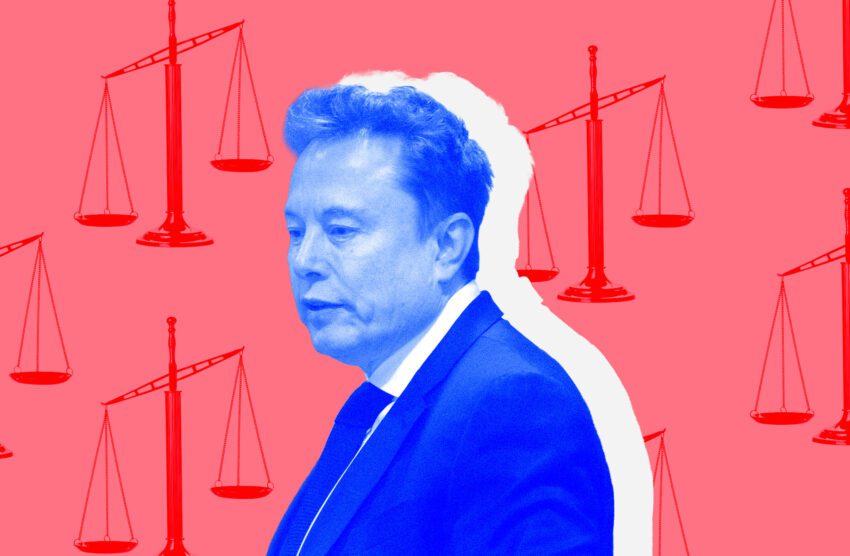
elon musk appeared more petty than prepared Elon Musk’s recent court appearance in the ongoing legal battle against Sam Altman revealed a surprising demeanor that many observers found more self-serving than substantive.
elon musk appeared more petty than prepared
Background of the Case
The legal dispute between Elon Musk and Sam Altman centers around allegations that Altman, the CEO of OpenAI, has deviated from the organization’s original mission. Musk, a co-founder of OpenAI, has expressed concerns that the company is straying from its foundational goals of ensuring that artificial intelligence (AI) benefits humanity as a whole. This trial marks a significant moment not only for the individuals involved but also for the broader discourse surrounding AI ethics and governance.
The Courtroom Dynamics
On the first day of the trial, Musk took the stand as the initial witness. Observers noted a stark contrast between his demeanor in this courtroom setting and his previous appearances in legal matters. In past cases, such as his defamation suit, Musk displayed a charismatic presence that resonated with jurors, ultimately leading to a favorable verdict for him. However, during this trial, he appeared more disoriented and less prepared, raising questions about his strategy and objectives.
Musk’s Demeanor
Throughout the proceedings, Musk seemed to lack the confidence and clarity that characterized his earlier courtroom performances. His responses were often meandering, and he appeared to struggle with articulating a coherent narrative. This was particularly notable given the importance of the direct examination process, which is designed to construct a compelling story through a series of well-structured questions.
Focus on Self-Aggrandizement
One of the most striking aspects of Musk’s testimony was his tendency to shift the focus onto his own accomplishments rather than directly addressing the allegations against Altman. Musk frequently boasted about his contributions to OpenAI, emphasizing his role in its founding and the vision he had for the organization. This self-referential approach seemed out of place in a trial that was ostensibly about the future direction of OpenAI and the responsibilities of its current leadership.
Implications of Musk’s Testimony
The implications of Musk’s courtroom performance extend beyond the immediate legal context. His apparent self-absorption raises questions about his commitment to the principles he once championed at OpenAI. If Musk’s focus remains on personal accolades rather than the organization’s mission, it could undermine the credibility of his claims against Altman.
Public Perception and Stakeholder Reactions
Public reaction to Musk’s testimony has been mixed. Some supporters continue to view him as a visionary leader, while critics argue that his behavior reflects a deeper insecurity and a desire for validation. Stakeholders in the AI community are closely watching the trial, as it could set precedents for how organizations like OpenAI are governed and held accountable.
Legal Strategy and Its Effectiveness
Musk’s legal team appears to be employing a strategy that emphasizes his historical significance to OpenAI. However, the effectiveness of this approach is questionable. By focusing on his past rather than the present issues at hand, Musk risks alienating jurors who may be looking for concrete evidence of wrongdoing by Altman. The trial’s outcome could hinge on whether Musk can pivot from self-promotion to addressing the core allegations against Altman.
Comparative Analysis of Courtroom Styles
In analyzing Musk’s courtroom style, it is useful to compare it with that of Altman, who has yet to testify. Altman is known for his calm demeanor and strategic thinking, qualities that have served him well in his role as CEO. If Altman maintains this composure during his testimony, it could further highlight Musk’s shortcomings and potentially sway the jury in Altman’s favor.
Historical Context of Musk’s Legal Battles
Musk’s history of legal battles adds another layer to this trial. He has been involved in various lawsuits, ranging from defamation to regulatory scrutiny over his statements regarding Tesla and SpaceX. Each of these cases has shaped public perception of Musk, often oscillating between admiration for his accomplishments and criticism for his controversial behavior. This trial is no different, as it places Musk’s character and motivations under scrutiny.
The Future of OpenAI
The outcome of the Musk v. Altman trial could have significant ramifications for OpenAI and the broader AI landscape. If Musk succeeds in his claims, it could lead to a reevaluation of OpenAI’s leadership and mission. Conversely, if Altman prevails, it may reinforce his position and the direction he has taken the organization since Musk’s departure.
Broader Implications for AI Governance
This trial is not just about two individuals; it represents a critical juncture for the future of AI governance. As AI technology continues to evolve, the ethical considerations surrounding its development and deployment are becoming increasingly complex. The trial could serve as a bellwether for how organizations navigate these challenges and the accountability mechanisms that are put in place.
Conclusion
As the trial unfolds, the courtroom dynamics will be closely monitored by legal experts, industry stakeholders, and the public. Musk’s initial testimony has set a tone that raises questions about his motivations and the effectiveness of his legal strategy. The outcome of this case will likely have lasting implications for OpenAI and the broader AI community, shaping the discourse around ethical AI development for years to come.
Source: Original report
Was this helpful?
Explore more: AI Automation Services More AI & Automation Tech News
Last Modified: April 29, 2026 at 10:36 am
14 views