fcc chairman unconvincingly claims he never threatened The recent controversy surrounding FCC Chairman Brendan Carr has sparked significant debate regarding the intersection of media regulation and political influence.
fcc chairman unconvincingly claims he never threatened
Background of the Controversy
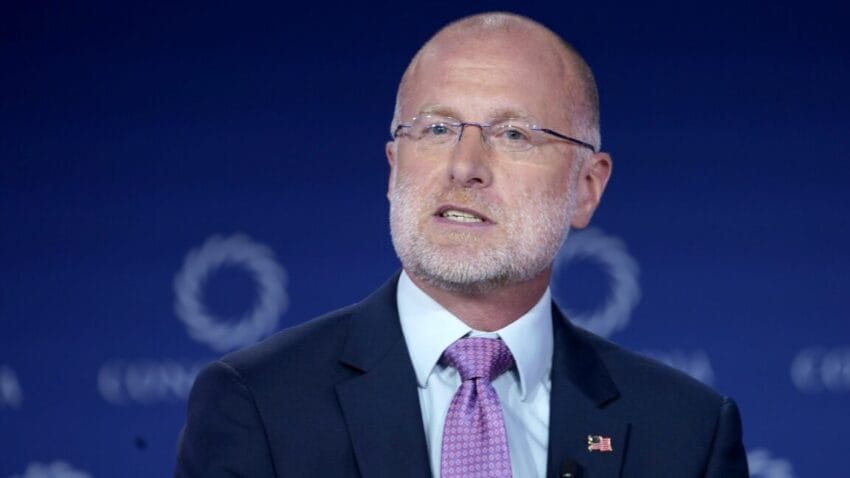
In a recent interview at the Concordia Summit, FCC Chairman Brendan Carr addressed allegations that he threatened to revoke television licenses held by Disney if the company did not suspend the late-night show hosted by Jimmy Kimmel. This claim emerged after Carr’s comments regarding “news distortion,” which many interpreted as a veiled threat aimed at ABC, a Disney subsidiary. The situation escalated quickly, prompting reactions from both sides of the political aisle.
The controversy began when Carr stated that ABC affiliates could face license revocation for what he termed “news distortion.” This statement was perceived by some as a direct threat to Disney and its operations, particularly in light of the ongoing political tensions surrounding media narratives. The implications of such threats are profound, as they raise questions about the autonomy of media organizations and the potential for government overreach in regulating content.
Brendan Carr’s Response
During his on-stage interview, Carr vehemently denied any intention of threatening Disney or ABC. “There’s a lot of Democrats out there that are engaged in a campaign of projection and distortion,” he claimed. Carr accused his political opponents of misrepresenting the actions and intentions of the FCC. He specifically referenced a letter from Senate Democrats alleging that the FCC threatened to revoke Disney’s licenses, asserting, “that did not happen in any way, shape, or form.”
However, Carr’s defense has not alleviated concerns regarding the implications of his original comments. While he focused on the Democratic interpretation of his statements, he neglected to acknowledge that several prominent Senate Republicans also viewed his remarks as a potential threat. This bipartisan concern indicates that the fallout from his comments extends beyond partisan lines, affecting the broader media landscape.
Political Reactions
The political ramifications of Carr’s comments have been significant. Following his statements, Disney made the decision to suspend Jimmy Kimmel’s show, a move that many interpreted as a direct response to the perceived threat from the FCC. This suspension was met with backlash from the public and media commentators alike, who expressed concerns about censorship and the chilling effect such threats could have on free speech.
As public pressure mounted, Disney reversed its decision, reinstating Kimmel’s show shortly thereafter. This swift action underscores the delicate balance media companies must navigate when faced with potential regulatory threats. The reinstatement of Kimmel’s show on many ABC-affiliated stations reflects a commitment to artistic expression, even in the face of political pressure. However, it is important to note that Kimmel’s show will not return to stations operated by Nexstar and Sinclair, which have opted to replace it with news and other programming.
Implications for Media Regulation
The incident raises critical questions about the role of the FCC in regulating media content and the potential for political influence over broadcasting decisions. The FCC, established to oversee communications in the United States, has a mandate to ensure that the airwaves serve the public interest. However, the interpretation of what constitutes the public interest can be subjective and politically charged.
In recent years, there has been growing concern over the concentration of media ownership and the potential for bias in news reporting. Carr’s comments regarding “news distortion” may reflect a broader agenda to address perceived biases in media coverage. However, the manner in which these concerns are articulated can lead to unintended consequences, such as the perception of government overreach and censorship.
Stakeholder Perspectives
Various stakeholders have weighed in on the controversy, each bringing their own perspectives to the table. Media analysts have expressed concern that Carr’s comments could set a dangerous precedent for government intervention in media operations. The fear is that such threats could lead to self-censorship among broadcasters, who may alter their programming to avoid potential repercussions from regulatory bodies.
On the other hand, some supporters of Carr argue that his comments were misinterpreted and that he was merely advocating for accountability in media reporting. They contend that the FCC has a responsibility to address misinformation and ensure that broadcasters adhere to standards of accuracy and fairness. This perspective highlights the ongoing debate over the balance between free speech and responsible journalism.
Historical Context
This incident is not the first time the FCC has faced scrutiny over its role in regulating media content. Historically, the agency has navigated complex political landscapes, often finding itself at the center of contentious debates over media ownership, content regulation, and the First Amendment. The balance between ensuring a diverse media landscape and protecting free speech rights has been a persistent challenge for regulators.
In the past, the FCC has implemented policies aimed at promoting diversity in media ownership and preventing monopolistic practices. However, these efforts have often been met with resistance from powerful media conglomerates, leading to ongoing legal battles and regulatory challenges. The current controversy surrounding Carr’s comments highlights the continuing struggle to define the boundaries of media regulation in an increasingly polarized political environment.
The Role of Public Opinion
Public opinion plays a crucial role in shaping the actions of both media companies and regulatory bodies. The backlash against Disney’s initial decision to suspend Kimmel’s show demonstrates the power of audience sentiment in influencing corporate decisions. In an era where social media amplifies public voices, companies are increasingly aware of the potential repercussions of their actions.
The swift reinstatement of Kimmel’s show reflects a recognition of the importance of maintaining viewer trust and loyalty. Media companies are acutely aware that their audiences expect a certain level of transparency and accountability, particularly when it comes to political pressures. This incident serves as a reminder that public sentiment can significantly impact corporate decision-making, particularly in the realm of entertainment and news programming.
Looking Ahead
As the dust settles from this controversy, it is essential to consider the broader implications for media regulation and the relationship between government and media organizations. The incident underscores the need for clear communication and transparency from regulatory bodies like the FCC. Moving forward, it will be crucial for the FCC to establish guidelines that delineate its role in addressing concerns about media accuracy without encroaching on First Amendment rights.
Moreover, media organizations must remain vigilant in upholding their editorial independence while navigating the complexities of regulatory oversight. The balance between accountability and freedom of expression will continue to be a contentious issue, particularly as the media landscape evolves in response to technological advancements and changing audience expectations.
Conclusion
The controversy surrounding FCC Chairman Brendan Carr’s comments serves as a critical reminder of the delicate interplay between media regulation and political influence. As stakeholders from various sectors weigh in on the implications of this incident, it is clear that the conversation surrounding media accountability and government oversight is far from over. The future of media regulation will depend on the ability of both regulatory bodies and media organizations to navigate these challenges while upholding the principles of free speech and public interest.
Source: Original report
Was this helpful?
Explore more: More Big Tech & Platforms Tech News Blog
Last Modified: September 24, 2025 at 1:37 am
6 views