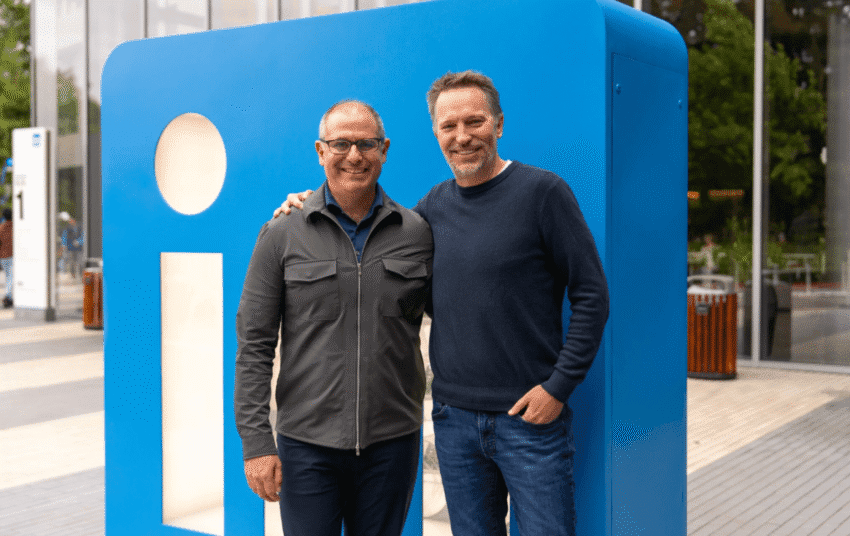
linkedin s ceo is moving on please Ryan Roslansky has stepped down as LinkedIn’s CEO after six years running the world’s largest professional network. Dan Shapero, the company’s COO, takes over immediately.
linkedin s ceo is moving on please
Leadership Transition at LinkedIn
LinkedIn, the premier platform for professional networking, has undergone a significant leadership change with the departure of Ryan Roslansky as CEO. His tenure, which lasted six years, was marked by substantial growth and innovation within the platform. Dan Shapero, previously the Chief Operating Officer (COO), has been appointed as his successor, effective immediately. This transition signals a new chapter for LinkedIn as it continues to adapt to the evolving landscape of professional networking and digital communication.
Ryan Roslansky’s Legacy
Ryan Roslansky joined LinkedIn in 2014 and took the helm as CEO in 2020. Under his leadership, the platform expanded its user base significantly, reaching over 900 million members globally. Roslansky focused on enhancing user engagement and diversifying the platform’s offerings. He played a pivotal role in integrating new features such as LinkedIn Live, which allows users to broadcast live video, and LinkedIn Stories, aimed at fostering more dynamic interactions among users.
Roslansky’s strategic vision also included a strong emphasis on learning and development. He championed initiatives such as LinkedIn Learning, which provides users with access to thousands of courses across various fields. This move not only positioned LinkedIn as a leader in professional development but also aligned with the growing demand for continuous learning in the workforce.
Impact on the Professional Networking Landscape
During Roslansky’s tenure, LinkedIn solidified its position as a vital tool for job seekers, recruiters, and professionals looking to expand their networks. The platform’s focus on data-driven insights and personalized content helped users navigate their career paths more effectively. Additionally, LinkedIn’s integration with Microsoft products, following Microsoft’s acquisition of the platform in 2016, allowed for seamless collaboration and communication tools, further enhancing its utility for professionals.
Roslansky’s departure comes at a time when the professional networking landscape is becoming increasingly competitive. New platforms are emerging, and existing ones are evolving to capture the attention of users. As such, the leadership transition presents both challenges and opportunities for LinkedIn moving forward.
Dan Shapero: The New CEO
Dan Shapero, who has been with LinkedIn since 2012, brings a wealth of experience to his new role as CEO. Before serving as COO, he held various leadership positions within the company, including Vice President of Global Sales and Vice President of Talent Solutions. His extensive background in operations and sales will be crucial as he navigates LinkedIn through this transitional period.
Shapero’s Vision for LinkedIn
As the new CEO, Shapero is expected to build on Roslansky’s legacy while also introducing his own vision for the platform. His experience in driving revenue growth and operational efficiency will be essential as LinkedIn seeks to enhance its monetization strategies. Shapero has previously emphasized the importance of innovation and user experience, suggesting that he may prioritize new features and tools that cater to the evolving needs of professionals.
Shapero’s leadership style is characterized by a collaborative approach, which may foster a culture of inclusivity and creativity within the organization. As LinkedIn continues to expand its global reach, Shapero’s ability to connect with diverse audiences will be critical in ensuring that the platform remains relevant and valuable to users worldwide.
Stakeholder Reactions
The announcement of Roslansky’s departure and Shapero’s appointment has elicited a range of reactions from stakeholders, including employees, users, and industry analysts. Many employees expressed gratitude for Roslansky’s leadership and vision, highlighting his commitment to fostering a positive workplace culture. In internal communications, Roslansky emphasized the importance of teamwork and collaboration, which resonated with many staff members.
Users of the platform have also shared mixed feelings about the leadership change. Some have expressed concern about the potential impact on the platform’s direction and features, while others are optimistic about Shapero’s ability to drive innovation. Industry analysts have noted that Shapero’s extensive experience within LinkedIn positions him well to lead the company through this transition, but they also caution that the competitive landscape requires a proactive approach to maintain user engagement and satisfaction.
Challenges Ahead for LinkedIn
As LinkedIn embarks on this new chapter under Shapero’s leadership, several challenges loom on the horizon. The professional networking space is becoming increasingly crowded, with new entrants and existing platforms vying for user attention. LinkedIn must continue to differentiate itself by offering unique features and value propositions that resonate with its diverse user base.
Adapting to Changing User Needs
One of the primary challenges LinkedIn faces is adapting to the changing needs of its users. The rise of remote work and the gig economy has transformed how professionals network and seek job opportunities. LinkedIn must continue to innovate its platform to address these shifts, ensuring that it remains a relevant and effective tool for users navigating their careers.
Additionally, as the demand for personalized content and experiences grows, LinkedIn will need to leverage data analytics and machine learning to provide users with tailored recommendations and insights. This focus on personalization could enhance user engagement and retention, but it also requires careful management of user data and privacy concerns.
Monetization Strategies
Another critical area for LinkedIn is its monetization strategies. While the platform has successfully introduced various revenue streams, including premium subscriptions and advertising, there is potential for further growth. Shapero will need to explore new avenues for revenue generation while ensuring that the user experience remains a priority.
Innovative advertising solutions, partnerships with educational institutions, and expanded offerings in LinkedIn Learning could contribute to increased revenue. However, balancing monetization with user satisfaction will be essential to maintaining the platform’s credibility and trust among its user base.
The Future of LinkedIn
As LinkedIn moves forward under Dan Shapero’s leadership, the company stands at a crossroads. The platform’s ability to innovate and adapt to the changing landscape of professional networking will be crucial in determining its future success. Shapero’s extensive experience and collaborative approach may provide the necessary foundation for LinkedIn to thrive in this competitive environment.
In conclusion, while Ryan Roslansky’s departure marks the end of an era for LinkedIn, it also opens the door for new opportunities and growth. Dan Shapero’s appointment as CEO brings a fresh perspective and a wealth of experience that could propel LinkedIn to new heights. As the platform navigates the challenges ahead, its commitment to empowering professionals and fostering meaningful connections will remain at the forefront of its mission.
Source: Original report
Was this helpful?
Explore more: More Business & Startups Tech News Blog
Last Modified: April 23, 2026 at 3:36 am
13 views