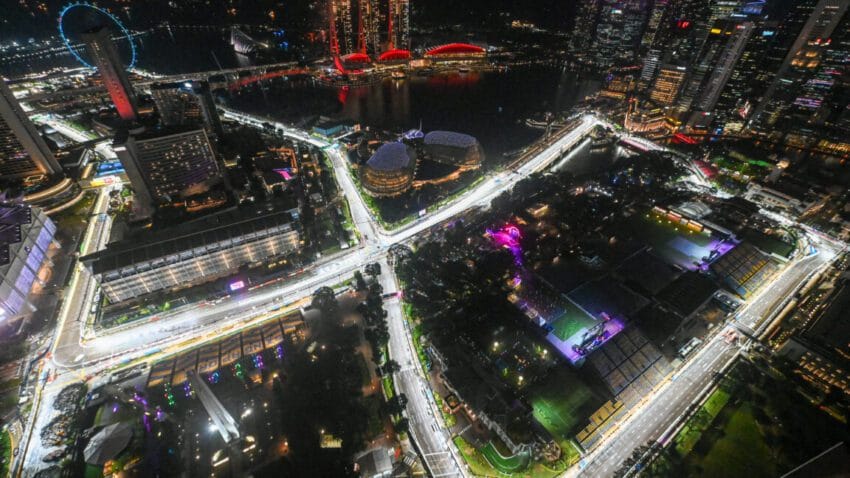
f1 in singapore trophy for the hero The Marina Bay circuit in Singapore continues to captivate Formula 1 fans with its stunning visuals and unique challenges.
f1 in singapore trophy for the hero
Overview of the Marina Bay Circuit
Few modern F1 venues can match the dazzling allure of the Marina Bay circuit in Singapore. This street circuit, which winds through the heart of the city, offers a spectacular backdrop for the races, particularly when illuminated at night. The circuit’s design integrates iconic landmarks, providing a unique blend of urban scenery and motorsport excitement. During daylight, the circuit showcases its relationship with the city, while at night, the brilliant white ribbon of racetrack contrasts sharply against the darkened surroundings.
Lighting Innovations
One of the standout features of the Marina Bay circuit is its lighting system. Over 1,600 LED lights illuminate the track, a significant upgrade made in 2023 that reduced energy consumption by an impressive 30 percent. This switch to LED technology not only enhances sustainability but also improves the overall experience for drivers and spectators alike. The lights are meticulously calibrated to a color temperature of 5,700 K, closely mimicking natural daylight. Additionally, the color rendering index is set at 90, ensuring that colors appear vibrant and true to life on the track.
Flickering lights can disrupt both the race and the television broadcast, so the lighting system is designed to eliminate any flicker. The result is a visually stunning spectacle, especially when viewed in 4K resolution. This attention to detail in lighting is just one example of how the Singapore Grand Prix continues to innovate and enhance the F1 experience.
Historical Context of the Singapore Grand Prix
The Singapore Grand Prix has a rich history, having first been held in 2008. It was the first night race in Formula 1 history, setting a precedent that has influenced other circuits around the world. The inaugural race was filled with drama and excitement, as teams navigated the challenges of racing under artificial lights. Red Bull Racing, in particular, faced a unique dilemma during that race, as they believed electromagnetic interference from an underground train line contributed to the failure of one of their cars. This incident sparked concerns among other teams, leading to discussions about the potential impact of urban infrastructure on race performance.
Despite these concerns, Singapore’s Land Transit Authority has consistently maintained that there are no train tracks beneath the relevant sections of the circuit. The nearest train tunnel is located more than 600 feet away and 32 feet below ground level, alleviating fears of electromagnetic interference affecting race outcomes. Nevertheless, the incident highlighted the unpredictable nature of street circuits, where external factors can influence the race in unexpected ways.
Race Dynamics and Challenges
Over the years, the Singapore Grand Prix has earned a reputation for being action-packed, often leading to thrilling and chaotic races. The tight corners and limited overtaking opportunities create a challenging environment for drivers, requiring precision and skill. The humid climate adds another layer of difficulty, as drivers must contend with fatigue and reduced grip on the track. These factors contribute to the potential for accidents and safety car deployments, which can dramatically alter the course of the race.
In recent years, however, some races have been criticized for lacking the excitement that fans have come to expect. While the circuit’s design inherently promotes close racing, the strategic decisions made by teams and drivers can sometimes lead to less aggressive racing. The balance between tire management and track position often dictates the pace of the race, leading to periods of relative calm interspersed with bursts of action.
Stakeholder Reactions
The reactions from teams, drivers, and fans regarding the Singapore Grand Prix are varied. Teams appreciate the unique challenges posed by the circuit, as it tests their engineering and strategic capabilities. Drivers often express admiration for the stunning visuals and the atmosphere created by the night race. However, some have voiced concerns about the physical toll the humid conditions can take, particularly during long stints.
Fans, on the other hand, remain divided. Many are drawn to the spectacle of the night race and the vibrant city backdrop, while others yearn for more overtaking and on-track battles. The balance between spectacle and competition is a delicate one, and the organizers continue to seek ways to enhance the racing experience without compromising the unique charm of the Marina Bay circuit.
Future of the Singapore Grand Prix
As Formula 1 continues to evolve, the Singapore Grand Prix faces both challenges and opportunities. The introduction of new regulations and technological advancements in the sport may influence how races are conducted at the Marina Bay circuit. The ongoing focus on sustainability and reducing the environmental impact of racing is likely to shape future events, as seen with the recent switch to LED lighting.
Moreover, the growing popularity of Formula 1, particularly in regions outside of Europe, presents an opportunity for the Singapore Grand Prix to further solidify its status as a premier event on the calendar. The city-state’s strategic location and modern infrastructure make it an attractive destination for international visitors, which could enhance the overall experience for fans and participants alike.
Conclusion
The Marina Bay circuit in Singapore stands as a testament to the fusion of technology, design, and motorsport. With its stunning visuals, innovative lighting, and rich history, it continues to be a highlight of the Formula 1 calendar. As the sport evolves, the Singapore Grand Prix will undoubtedly adapt, striving to maintain its unique charm while delivering the thrilling racing that fans expect. The interplay between the urban environment and the challenges of the circuit ensures that each race is a captivating spectacle, leaving a lasting impression on all who witness it.
Source: Original report
Was this helpful?
Explore more: More General Technology Tech News Blog
Last Modified: October 6, 2025 at 9:36 pm
12 views