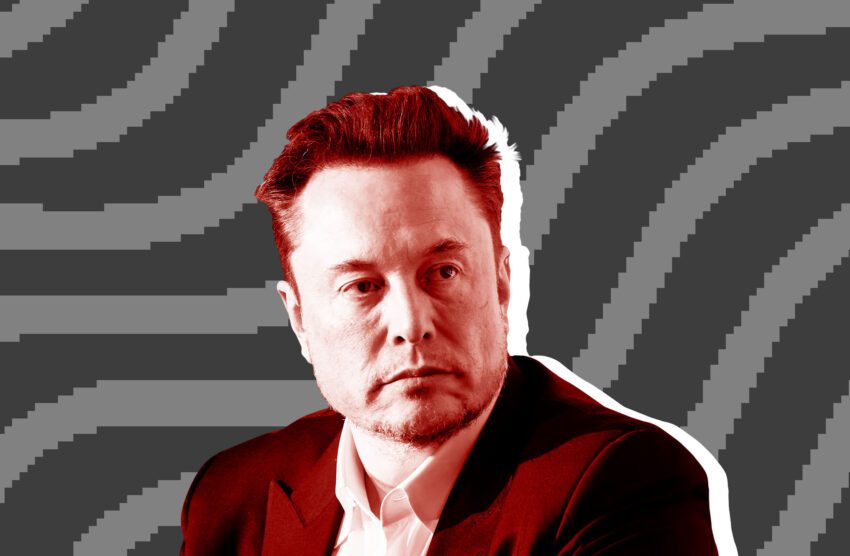
even trump s chief of staff was Elon Musk’s controversial actions regarding USAID have drawn sharp criticism, even from those within the highest echelons of the Trump administration.
even trump s chief of staff was
Background on Elon Musk and USAID
Elon Musk, the billionaire entrepreneur known for his ventures in electric vehicles and space exploration, has also made headlines for his involvement in government affairs. His influence extends beyond the corporate world, impacting federal agencies and their operations. One of the most significant areas affected by his actions is the United States Agency for International Development (USAID), which plays a crucial role in providing humanitarian aid and development assistance globally.
USAID has been instrumental in delivering aid to countries facing crises, including natural disasters, conflicts, and health emergencies. The agency’s work is vital for maintaining international relations and supporting global stability. However, Musk’s approach to governance has raised questions about the future of such essential services.
Susie Wiles’ Perspective
Susie Wiles, who served as White House Chief of Staff under President Donald Trump, has been vocal about her concerns regarding Musk’s influence. In a series of interviews with Vanity Fair’s Chris Whipple, Wiles described Musk as a “complete solo actor,” emphasizing that his independent decision-making style often led to unnecessary crises within the Trump administration.
Wiles, known for her ability to bring order to the chaotic political landscape of the Trump era, expressed her dismay at Musk’s actions, particularly regarding the shuttering of USAID. She articulated that Musk’s unilateral decisions not only disrupted the functioning of the agency but also jeopardized the United States’ standing in the international community.
The Impact of USAID Cuts
The closure of USAID, as described by Wiles, had far-reaching implications. The agency’s role in providing humanitarian assistance is critical, especially in regions facing extreme poverty, conflict, and health crises. By cutting funding and resources, Musk’s actions risked leaving vulnerable populations without the support they desperately needed.
For instance, USAID has been pivotal in responding to global health emergencies, such as the Ebola outbreak in West Africa and the ongoing challenges posed by the COVID-19 pandemic. The agency’s ability to mobilize resources quickly is essential for effective crisis management. Wiles’ concerns highlight the potential consequences of undermining such an agency, particularly in a world increasingly reliant on international cooperation to address complex challenges.
Reactions from Stakeholders
The reactions to Musk’s actions have been mixed, with some supporting his vision for a more efficient government, while others, like Wiles, express grave concerns. Critics argue that Musk’s approach reflects a broader trend of prioritizing efficiency over essential services, which could have dire consequences for those dependent on government support.
Wiles’ perspective resonates with many in the political sphere who believe that government agencies like USAID should not be subjected to the whims of individual actors, regardless of their wealth or influence. The potential for a billionaire to dictate the terms of humanitarian aid raises ethical questions about accountability and governance.
Political Implications
The political implications of Musk’s actions extend beyond the immediate effects on USAID. The Trump administration’s relationship with international allies could be strained as a result of reduced American engagement in global humanitarian efforts. Countries that rely on U.S. aid may view the cuts as a withdrawal of support, leading to a decline in diplomatic relations.
Furthermore, the perception of the United States as a leader in global humanitarian efforts could be undermined. As other nations step in to fill the void left by USAID, the U.S. risks losing its influence on the global stage. This shift could have long-term consequences for American foreign policy and national security.
Elon Musk’s Governance Style
Musk’s governance style has often been characterized by a hands-on, direct approach. While this has led to significant innovations in his companies, it raises concerns when applied to government functions. The lack of checks and balances in decision-making can lead to hasty actions that may not consider the broader implications.
Wiles’ description of Musk as a “solo actor” underscores the importance of collaboration and consensus in governance. Effective leadership requires input from various stakeholders, especially in complex areas like international aid. Musk’s tendency to operate independently may hinder the ability of government agencies to function effectively and respond to crises.
Lessons for Future Leadership
The situation surrounding Musk and USAID serves as a cautionary tale for future leaders. It highlights the need for a balanced approach to governance that values both efficiency and the essential services provided by government agencies. Leaders must recognize the importance of collaboration and the potential consequences of unilateral decision-making.
Moreover, the incident raises questions about the role of wealthy individuals in shaping public policy. As private citizens gain more influence in government affairs, it becomes crucial to establish clear boundaries and accountability mechanisms to ensure that the needs of the public are prioritized over personal agendas.
Conclusion
Elon Musk’s actions regarding USAID have sparked significant debate about the intersection of wealth, power, and governance. Susie Wiles’ candid assessments provide valuable insights into the challenges posed by Musk’s approach and the potential consequences for international humanitarian efforts. As the political landscape continues to evolve, it is essential to reflect on the lessons learned from this situation and strive for a governance model that prioritizes collaboration, accountability, and the well-being of vulnerable populations worldwide.
Source: Original report
Was this helpful?
Explore more: More General Technology Tech News Blog
Last Modified: December 17, 2025 at 7:44 am
15 views