engineer proves that kohler s smart toilet An engineer’s recent findings have raised significant concerns about the privacy of Kohler’s smart toilet cameras, challenging the company’s claims of robust data protection.
engineer proves that kohler s smart toilet
Kohler’s Smart Toilet: An Overview
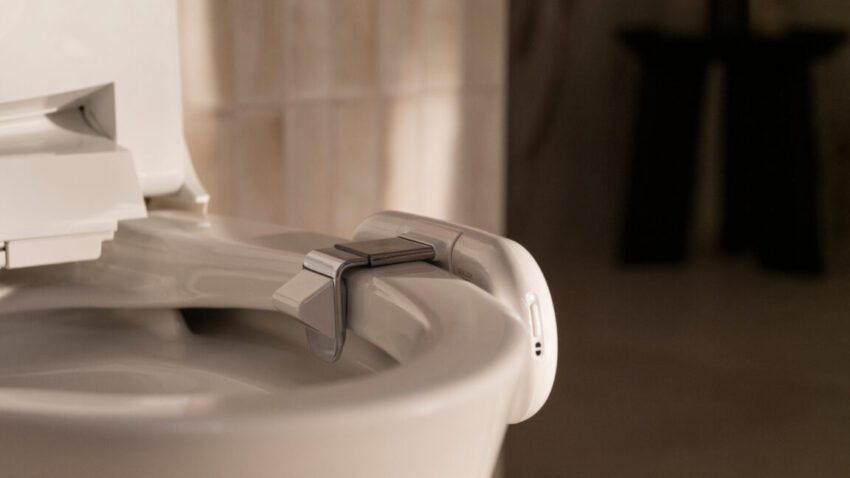
In October 2025, Kohler, a well-known name in bathroom fixtures and plumbing products, introduced its first health-focused product, the Dekoda. This innovative device, priced at $599, is designed to be an attachment for standard toilet bowls. It aims to provide users with insights into their health and wellness through advanced technology. The Dekoda utilizes optical sensors and validated machine-learning algorithms to analyze user data, offering what Kohler describes as “valuable insights” into various health metrics.
The product is not just a one-time purchase; it also requires a subscription service that starts at $7 per month. This ongoing cost raises questions about the long-term value and privacy implications of using such a device. Kohler’s marketing emphasizes that data collected by the Dekoda flows to a personalized Kohler Health app, which is intended to give users continuous and private awareness of key health indicators directly on their smartphones.
Claims of Privacy and Security
In its promotional materials, Kohler has made several claims regarding user privacy and data security. Among these claims are features such as fingerprint authentication and end-to-end encryption (E2EE). The company asserts that these features are designed to protect user data from unauthorized access, thereby ensuring a level of privacy that many consumers expect when using smart devices.
End-to-end encryption is a term that has gained traction in the tech world, especially among messaging applications. For instance, apps like Signal and WhatsApp employ E2EE to ensure that messages sent between users are encrypted during transmission. This means that only the sender and recipient can access the decrypted messages, effectively preventing third parties—including the app developers—from reading them. Kohler’s use of the term E2EE in relation to the Dekoda suggests a similar level of security, but the implications of applying this technology to a smart toilet are complex.
Concerns Raised by the Engineer
Despite Kohler’s assurances, an engineer has recently highlighted significant privacy concerns regarding the Dekoda’s camera functionality. The engineer’s analysis suggests that the company’s claims about E2EE may not hold up under scrutiny. The primary issue revolves around the inherent privacy limitations of a device designed to film activities occurring in a toilet bowl.
The engineer pointed out that while E2EE can protect data in transit, it does not necessarily safeguard the data once it is collected or stored. This raises questions about how Kohler manages the data captured by the Dekoda’s cameras. If the data is stored in a way that allows for potential access by Kohler or third parties, the promise of privacy becomes questionable.
Privacy Limitations of Smart Toilets
Smart toilets, by their very nature, collect sensitive data that can reveal much about a user’s health and habits. The idea of a camera filming such private activities raises ethical questions about consent and data ownership. Users may not fully understand the extent to which their data is being collected, how it is being used, or who has access to it.
The implications of these concerns are significant. If users believe they are protected by E2EE but are unaware of other vulnerabilities in the system, they may inadvertently expose themselves to privacy risks. This situation is particularly troubling given the sensitive nature of the data being collected by the Dekoda.
Stakeholder Reactions
The backlash against Kohler has been swift, with consumer advocates and privacy experts voicing their concerns. Many have called for greater transparency regarding how the Dekoda operates and how user data is handled. The general sentiment is that consumers deserve to know exactly what they are signing up for when they purchase a smart device, especially one that monitors health-related data.
Consumer advocacy groups have urged Kohler to clarify its privacy policies and provide more detailed information about the data collection process. They argue that the company should be held accountable for any misleading claims regarding the security of its products. This sentiment is echoed by privacy experts who emphasize the importance of informed consent in the age of smart technology.
Legal and Regulatory Implications
The situation also raises potential legal and regulatory implications. As smart devices become increasingly common, lawmakers and regulatory bodies are beginning to take a closer look at privacy issues associated with these technologies. If Kohler is found to have misled consumers about the privacy features of the Dekoda, it could face legal repercussions.
In the United States, the Federal Trade Commission (FTC) has been active in addressing privacy concerns related to smart devices. The agency has previously taken action against companies that have failed to protect user data adequately or have made misleading claims about their privacy practices. Kohler could find itself under scrutiny if it does not address the concerns raised by the engineer and other stakeholders.
Consumer Awareness and Education
The controversy surrounding Kohler’s smart toilet highlights the need for increased consumer awareness and education regarding smart devices. Many consumers may not fully understand the implications of using such technology, particularly when it comes to privacy and data security. As smart devices become more integrated into daily life, it is crucial for consumers to be informed about the potential risks and benefits.
Companies like Kohler have a responsibility to educate their customers about how their products work and what data is being collected. Transparency is key to building trust with consumers, especially in an era where data breaches and privacy violations are increasingly common.
The Future of Smart Toilets
As the market for smart home devices continues to grow, the future of smart toilets like the Dekoda will depend on how companies address privacy concerns. Kohler’s experience serves as a cautionary tale for other manufacturers in the industry. Companies must prioritize user privacy and data security if they wish to gain consumer trust and remain competitive in the market.
Innovations in technology can offer significant benefits, but they must be balanced with ethical considerations. As consumers become more aware of privacy issues, they will likely demand higher standards from companies that produce smart devices. The success of products like the Dekoda will hinge not only on their technological capabilities but also on the transparency and integrity of the companies behind them.
Conclusion
Kohler’s smart toilet cameras have sparked a significant debate about privacy and data security in the realm of smart home technology. While the company promotes features like end-to-end encryption and fingerprint authentication, the recent findings by an engineer suggest that these claims may not provide the level of protection consumers expect. As the backlash continues, Kohler and other manufacturers must take heed of consumer concerns and prioritize transparency and ethical practices to foster trust in their products.
Source: Original report
Was this helpful?
Explore more: More Consumer Technology Tech News Blog
Last Modified: December 5, 2025 at 3:36 am
24 views