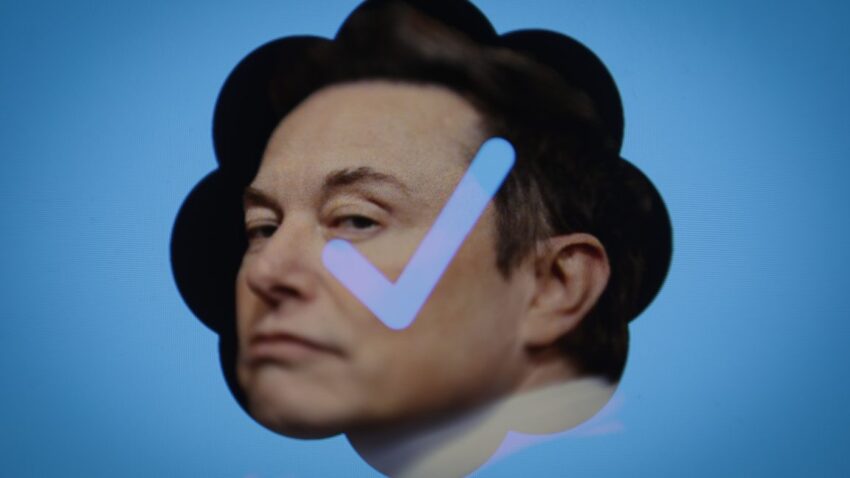
elon musk s x first to be Elon Musk’s X has made headlines as the first major online platform to be fined under the European Union’s Digital Services Act.
elon musk s x first to be
Overview of the Fine
On Friday, the European Commission announced that X, formerly known as Twitter, would incur a substantial fine of nearly $140 million. This fine marks a significant enforcement action under the EU’s Digital Services Act (DSA), a regulation aimed at holding online platforms accountable for their content moderation practices and overall user safety. The DSA, which came into effect in late 2020, establishes a framework for how large digital platforms must operate within the EU, focusing on transparency, accountability, and the protection of users.
Background on the Digital Services Act
The Digital Services Act represents a landmark effort by the EU to regulate the digital landscape. It is designed to create a safer online environment by imposing strict obligations on platforms, particularly those with over 45 million users in the EU. The act requires these platforms to take proactive measures against illegal content, misinformation, and harmful practices. Failure to comply can result in hefty fines, which can reach up to 6% of a company’s global revenue.
As part of the DSA, platforms are required to implement robust content moderation policies, provide transparency regarding their algorithms, and ensure that users have the ability to appeal content moderation decisions. The act also mandates that platforms conduct risk assessments and take measures to mitigate identified risks.
Details of the Fine Against X
The fine imposed on X is particularly notable because it is the first of its kind under the DSA. The European Commission’s decision stems from several violations, including the platform’s failure to adequately manage the surge of impersonation accounts that emerged following Musk’s controversial decision to alter the verification process.
Changes to Verification Process
In November 2022, shortly after Musk acquired Twitter, he implemented a significant change to the platform’s verification system. Historically, the blue checkmark was used to authenticate the identities of notable users, including celebrities, public figures, and organizations. However, Musk’s new approach allowed any user to purchase a blue checkmark for $8 per month. This decision led to a proliferation of impersonation accounts, with many users creating fake profiles that mimicked the identities of well-known individuals and brands.
The consequences of this decision were immediate and severe. Numerous high-profile impersonation accounts emerged, leading to confusion among users and damaging the reputations of the impersonated individuals and organizations. For instance, an account impersonating former U.S. President Donald Trump posted a tweet that quickly went viral, causing significant concern among users about the platform’s ability to manage misinformation and impersonation.
Potential for Further Penalties
The European Commission’s announcement also included a warning that X could face “periodic penalty payments” if it fails to rectify the issues identified in the ruling. This means that the platform must take immediate and effective action to address the concerns raised by the Commission. If X does not comply with the requirements set forth in the DSA, it could face additional fines that accumulate over time.
Stakeholder Reactions
The fine has elicited a range of reactions from stakeholders, including policymakers, digital rights advocates, and users of the platform. Many view this enforcement action as a necessary step in holding large tech companies accountable for their practices. Advocates for digital rights have long argued that platforms like X must be held to higher standards, particularly when it comes to user safety and the integrity of information shared on their platforms.
Support for the Fine
Supporters of the DSA and the fine against X argue that this enforcement action sends a strong message to other platforms about the importance of compliance with regulations. They believe that holding companies accountable for their actions is essential in fostering a safer online environment. The fine is seen as a critical step in ensuring that platforms take their responsibilities seriously and prioritize user safety over profit.
Criticism of the DSA
Conversely, some critics argue that the DSA may stifle innovation and create an overly burdensome regulatory environment for tech companies. They contend that the requirements imposed by the DSA could lead to excessive censorship and limit the free expression of ideas online. Critics also express concerns that smaller platforms may struggle to comply with the regulations, potentially leading to a consolidation of power among larger companies that can afford to navigate the regulatory landscape.
Implications for the Future
The fine against X under the DSA raises important questions about the future of online regulation and the responsibilities of digital platforms. As the EU continues to enforce the DSA, other platforms may face similar scrutiny and potential penalties for non-compliance. This could lead to a significant shift in how platforms operate, particularly in terms of content moderation and user verification processes.
Impact on Content Moderation Practices
In light of the fine, X and other platforms may need to reevaluate their content moderation practices to ensure compliance with the DSA. This could involve implementing more stringent verification processes, enhancing user reporting mechanisms, and investing in technology to detect and mitigate impersonation and misinformation. The need for transparency in algorithms and content moderation decisions will also likely become a focal point for platforms moving forward.
Broader Regulatory Landscape
The enforcement of the DSA against X may also set a precedent for other regulatory bodies around the world. As governments grapple with the challenges posed by misinformation, hate speech, and online harassment, the EU’s approach may serve as a model for similar legislation in other regions. This could lead to a more unified global effort to regulate online platforms and ensure user safety.
Conclusion
Elon Musk’s X becoming the first platform fined under the EU’s Digital Services Act underscores the growing importance of accountability in the digital space. As the EU continues to enforce the DSA, the implications for X and other platforms will be significant. The fine serves as a reminder that online platforms must prioritize user safety and adhere to regulatory requirements to avoid further penalties. The evolving regulatory landscape will likely shape the future of digital communication, influencing how platforms operate and interact with their users.
Source: Original report
Was this helpful?
Explore more: More Big Tech & Platforms Tech News Blog
Last Modified: December 5, 2025 at 11:39 pm
15 views