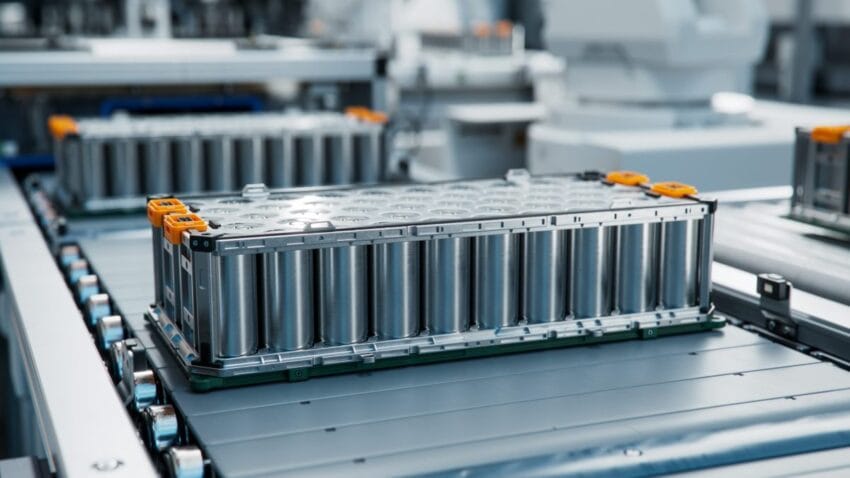
electroflow promises to make lfp material for Electroflow has unveiled a groundbreaking method for producing lithium iron phosphate (LFP) material for electric vehicle (EV) batteries, promising to reduce costs by 40% compared to current Chinese producers.
electroflow promises to make lfp material for
Understanding LFP Material
Lithium iron phosphate (LFP) is a type of lithium-ion battery chemistry that has gained significant traction in the electric vehicle market due to its safety, longevity, and cost-effectiveness. Unlike other battery chemistries, LFP batteries are less prone to overheating and thermal runaway, making them a safer choice for EV manufacturers. Additionally, LFP batteries typically have a longer cycle life, which means they can be charged and discharged more times than other types before their performance degrades.
However, the primary challenge with LFP batteries has been the cost of production. Currently, the majority of LFP materials are sourced from China, where production processes have been optimized over the years. This has created a competitive landscape where prices are driven down, but also raises concerns about supply chain stability, geopolitical tensions, and environmental impact.
Electroflow’s Innovative Approach
Electroflow’s new production method draws inspiration directly from the batteries themselves. By analyzing the chemical processes involved in battery operation, the company has developed a technique that streamlines the production of LFP materials. This innovative approach not only promises to reduce costs significantly but also aims to enhance the efficiency of the production process.
Key Features of the New Production Method
- Cost Reduction: Electroflow claims that its new method can produce LFP material for 40% less than the current lowest prices offered by Chinese manufacturers. This could potentially disrupt the market and lead to more competitive pricing for EV batteries.
- Efficiency: The new production process is designed to be more efficient, requiring fewer resources and less energy compared to traditional methods. This could result in a lower carbon footprint for the production of LFP materials.
- Scalability: Electroflow’s method is scalable, allowing for increased production capacity as demand for EVs continues to rise. This scalability is crucial for meeting the growing needs of the EV market.
Market Implications
The implications of Electroflow’s advancements are significant for the EV industry. As automakers increasingly shift towards electric vehicles, the demand for cost-effective battery materials is skyrocketing. By providing a cheaper alternative to existing LFP materials, Electroflow could enable manufacturers to lower their overall production costs, which may lead to more affordable EVs for consumers.
Furthermore, if Electroflow can successfully implement its production method at scale, it could reduce reliance on Chinese suppliers, thereby mitigating risks associated with geopolitical tensions and supply chain disruptions. This could foster a more resilient supply chain for battery materials, which is essential for the long-term sustainability of the EV market.
Potential Challenges
Despite the promising outlook, Electroflow may face several challenges as it seeks to bring its new production method to market. These challenges include:
- Regulatory Hurdles: The production of battery materials is subject to various regulations, and Electroflow will need to navigate these to ensure compliance.
- Market Competition: Established players in the battery materials market may respond aggressively to Electroflow’s entry, potentially leading to price wars or increased investment in their own production processes.
- Technological Validation: Electroflow will need to demonstrate that its production method not only reduces costs but also meets the performance and safety standards required for EV batteries.
Stakeholder Reactions
The announcement of Electroflow’s new production method has garnered attention from various stakeholders within the EV industry. Automakers, battery manufacturers, and investors are all keenly interested in the potential impact of this innovation.
Automakers’ Perspective
For automakers, the prospect of lower battery material costs is enticing. Many companies are investing heavily in electric vehicle technology, and any reduction in production costs could enhance their profit margins or allow them to pass savings onto consumers. Major players like Tesla, Ford, and General Motors are likely to monitor Electroflow’s progress closely, as a successful implementation could influence their sourcing strategies.
Battery Manufacturers’ Interest
Battery manufacturers are also watching Electroflow’s developments with interest. Companies that produce batteries for EVs are always looking for ways to reduce costs and improve efficiency. If Electroflow’s method proves viable, it could lead to partnerships or collaborations between battery manufacturers and Electroflow, further driving innovation in the sector.
Investor Sentiment
Investors are likely to view Electroflow’s advancements as a positive sign for the future of the EV market. The potential for significant cost savings and increased production capacity may attract investment, enabling Electroflow to scale its operations more rapidly. This could also lead to increased competition in the battery materials market, which may drive further innovation and improvements.
Environmental Considerations
As the world moves towards more sustainable energy solutions, the environmental impact of battery production is under scrutiny. Electroflow’s new production method aims to reduce the carbon footprint associated with LFP material production. By requiring fewer resources and less energy, this method could contribute to a more sustainable approach to battery manufacturing.
Moreover, the shift away from reliance on Chinese suppliers could also have positive environmental implications. The transportation of materials across long distances contributes to greenhouse gas emissions, and localizing production could help mitigate this impact.
Future Outlook
The future of Electroflow and its innovative production method appears promising, but several factors will determine its success. The company must navigate regulatory landscapes, establish partnerships, and validate its technology in real-world applications. If successful, Electroflow could play a pivotal role in reshaping the landscape of battery materials for electric vehicles.
As the demand for electric vehicles continues to rise, the need for cost-effective and sustainable battery materials will only grow. Electroflow’s advancements could not only help meet this demand but also set a new standard for battery material production in the industry.
Conclusion
Electroflow’s commitment to revolutionizing the production of lithium iron phosphate materials for electric vehicles is a significant development in the EV market. With the potential to reduce costs by 40% compared to current Chinese producers, the company is poised to disrupt the industry and contribute to a more sustainable future for electric mobility. As stakeholders from automakers to investors take note, the coming months will be critical in determining the impact of Electroflow’s innovations on the broader landscape of electric vehicle battery production.
Source: Original report
Was this helpful?
Explore more: More Hardware & Devices Tech News Blog
Last Modified: October 1, 2025 at 5:42 pm
9 views