ebola outbreak who declares emergency us restricts A significant Ebola outbreak has emerged in the Democratic Republic of the Congo, prompting the World Health Organization to declare a public health emergency.
ebola outbreak who declares emergency us restricts
Overview of the Outbreak
The Ebola outbreak was first reported in the Democratic Republic of the Congo (DRC) on May 12, 2026, and has rapidly escalated into a large, uncontrolled multinational crisis. As of May 17, the situation has worsened, with the DRC reporting 10 confirmed cases, 336 suspected cases, and a staggering 88 deaths. Additionally, neighboring Uganda has confirmed two cases and one death. These figures place the current outbreak among the top ten largest Ebola outbreaks recorded, although it remains significantly smaller than the catastrophic 2014–2016 West African outbreak, which resulted in over 28,000 cases and 11,000 deaths.
Current Statistics
The statistics from the U.S. Centers for Disease Control and Prevention (CDC) highlight the severity of the situation:
- Confirmed cases in DRC: 10
- Suspected cases in DRC: 336
- Deaths in DRC: 88
- Confirmed cases in Uganda: 2
- Deaths in Uganda: 1
These numbers indicate a concerning trend, especially given the historical context of Ebola outbreaks, which are often characterized by rapid transmission and high mortality rates.
WHO’s Declaration of Emergency
On May 14, the World Health Organization (WHO) declared the outbreak a public health emergency of international concern (PHEIC). This designation is significant as it mobilizes global resources and attention to combat the outbreak. However, WHO Director-General Tedros Adhanom Ghebreyesus clarified that the outbreak does not meet the criteria for a pandemic emergency, which typically involves a widespread and sustained transmission across multiple countries.
Factors Leading to the PHEIC Declaration
Several factors contributed to the WHO’s decision to declare a PHEIC:
- Large Size of the Outbreak: The immediate scale of the outbreak, with a considerable number of confirmed and suspected cases, raised alarms.
- Clusters of Cases: The presence of clusters of suspected cases and deaths across multiple health zones in the DRC indicated that the outbreak was not localized.
- Healthcare Worker Fatalities: The death of four healthcare workers underscored the risks faced by those on the front lines of the response.
- Lack of Links Between Cases: The absence of clear connections between geographically distant cases suggested that the outbreak could be spreading more widely than currently detected.
These factors collectively indicate that the outbreak is larger and more complex than the initial data suggests, raising concerns about its potential to spread further.
Implications of the Outbreak
The implications of this outbreak extend beyond the immediate health crisis. The DRC has a history of Ebola outbreaks, and the current situation poses significant challenges for public health officials and the international community. The rapid escalation of cases necessitates a coordinated response to contain the virus and prevent further transmission.
Public Health Response
In response to the outbreak, local and international health authorities are mobilizing resources to implement containment measures. These measures include:
- Contact Tracing: Identifying and monitoring individuals who have been in contact with confirmed cases is crucial for controlling the spread.
- Vaccination Campaigns: Vaccines have been developed for Ebola, and efforts are underway to vaccinate healthcare workers and at-risk populations.
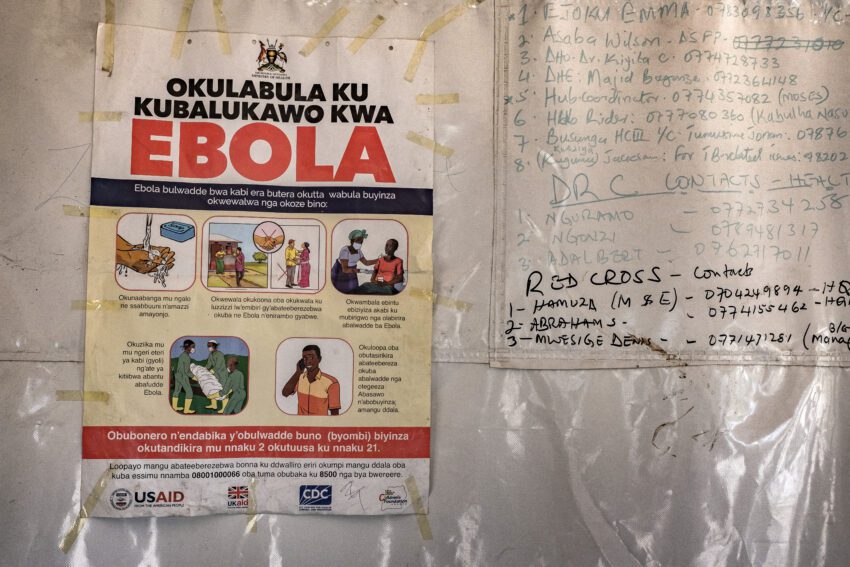
- Public Awareness Campaigns: Educating communities about the signs and symptoms of Ebola, as well as preventive measures, is essential to reduce transmission.
- International Collaboration: The WHO and CDC are working with local health authorities to coordinate a comprehensive response.
Travel Restrictions and Global Response
In light of the outbreak, the U.S. government has implemented travel restrictions to mitigate the risk of the virus spreading beyond the affected regions. These measures are designed to protect public health while allowing for the continued flow of humanitarian aid and medical assistance to the DRC and Uganda.
Travel restrictions may include:
- Screening of travelers arriving from affected regions.
- Quarantine measures for individuals showing symptoms.
- Advisories against non-essential travel to the DRC and Uganda.
These restrictions aim to prevent the outbreak from becoming a global health crisis while allowing for the necessary support to reach those in need.
Historical Context of Ebola Outbreaks
The Ebola virus was first identified in 1976, and since then, there have been numerous outbreaks, primarily in African countries. The virus is transmitted through direct contact with bodily fluids of infected individuals, making it highly contagious in healthcare settings and among caregivers.
The 2014–2016 West African outbreak was the deadliest in history, leading to significant changes in global health policy and emergency response protocols. Lessons learned from that outbreak have informed current strategies, emphasizing the importance of rapid response, community engagement, and international collaboration.
Stakeholder Reactions
Reactions to the outbreak and the WHO’s declaration have varied among stakeholders:
- Public Health Officials: Many health officials have expressed concern over the rapid escalation of cases and the potential for widespread transmission.
- Governments: Countries neighboring the DRC are on high alert, with increased surveillance and preparedness measures being implemented.
- Healthcare Workers: The deaths of healthcare workers have raised alarms about the risks faced by those treating patients, leading to calls for enhanced protective measures.
- International Organizations: Organizations like Médecins Sans Frontières (Doctors Without Borders) are mobilizing teams to provide support and resources to affected areas.
Conclusion
The current Ebola outbreak in the Democratic Republic of the Congo represents a significant public health challenge, with the potential for regional and international implications. The WHO’s declaration of a public health emergency underscores the urgency of the situation and the need for a coordinated response. As health authorities work to contain the outbreak, the international community must remain vigilant and prepared to support efforts to mitigate the impact of this deadly virus.
Source: Original report
Was this helpful?
Explore more: More General Technology Tech News Blog
Last Modified: May 19, 2026 at 6:36 am
15 views