dram it raspberry pi raises prices Raspberry Pi has announced significant price increases for several of its popular single-board computers, a move driven by the rising costs of memory components.
dram it raspberry pi raises prices
Price Increases Across Models
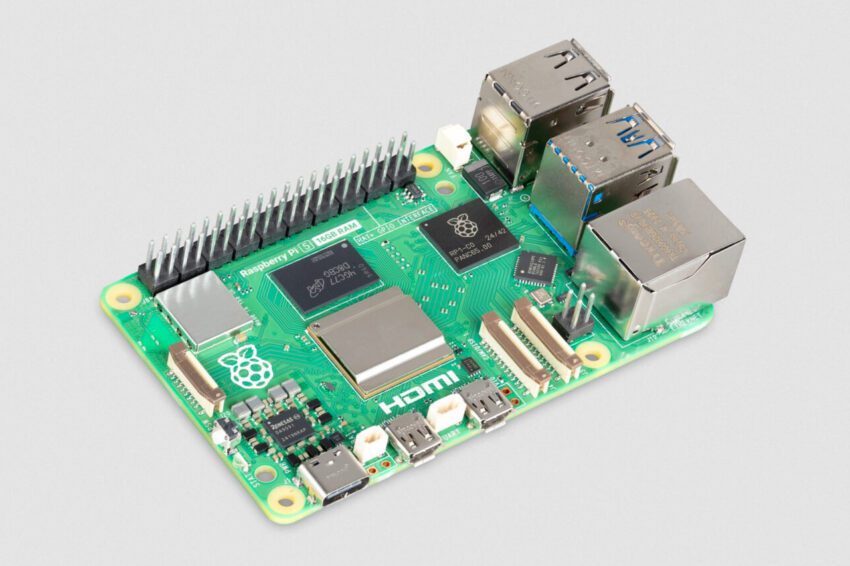
The price adjustments affect various models in the Raspberry Pi lineup, particularly the Raspberry Pi 4 and Raspberry Pi 5. The 16GB version of the Raspberry Pi 5 has seen a notable jump from $120 to $145, reflecting a $25 increase. Similarly, the 16GB memory variants of the Compute Module 5 are now priced at $140, up by $20. Other models will experience price hikes ranging from $5 to $25, depending on the specific model and RAM configuration.
Introduction of a New Variant
In conjunction with these price increases, Raspberry Pi is also introducing a new 1GB variant of its flagship Raspberry Pi 5 model. This entry-level option will be available for $45 and features a quad-core 2.4GHz Arm Cortex-A76 processor, dual-band Wi-Fi, and a PCI Express port. This new model aims to provide a more affordable entry point for users while still delivering robust performance.
Context Behind the Price Increases
The decision to raise prices comes amid a broader trend affecting the computing hardware industry. The rising costs of memory components have been attributed to increased demand driven by the rapid expansion of artificial intelligence (AI) infrastructure. As companies invest heavily in AI technologies, the competition for memory resources has intensified, leading to higher prices.
Raspberry Pi CEO Eben Upton addressed these challenges in a recent announcement, stating, “The current pressure on memory prices, driven by competition from the AI infrastructure roll-out, is painful but ultimately temporary. We remain committed to driving down the cost of computing and look forward to unwinding these price increases once it abates.” This statement underscores the company’s commitment to affordability, even in the face of market pressures.
The Broader Impact on the Industry
Raspberry Pi is not alone in facing these challenges. Other computing hardware providers, such as CyberPowerPC and Maingear, have also reported similar issues related to RAM pricing. Both companies have indicated that they are either already implementing price increases or expect to do so in the near future. This trend highlights a significant shift in the market, where the limited supply of RAM coupled with high demand is affecting pricing across the board.
In recent months, the market for RAM has seen fluctuations that echo the earlier volatility of graphics processing unit (GPU) prices. After a period of skyrocketing GPU prices, which had begun to stabilize, the RAM market is now experiencing its own set of challenges. As a result, some retailers have resorted to selling RAM at market prices, further complicating the landscape for consumers and manufacturers alike.
Implications for Consumers and Developers
The price increases may have several implications for consumers and developers who rely on Raspberry Pi products for various applications. For hobbyists and educators, the Raspberry Pi has long been a go-to solution for projects ranging from simple programming exercises to complex robotics and IoT applications. The increased costs could deter some users from purchasing new units or upgrading existing setups, particularly those on tight budgets.
For developers, the Raspberry Pi ecosystem has served as a platform for prototyping and deploying applications. The price hikes may lead to increased costs for projects that utilize multiple Raspberry Pi units, potentially affecting the feasibility of certain initiatives. As developers weigh the cost-benefit analysis of using Raspberry Pi hardware, some may turn to alternative solutions or platforms, which could impact the overall ecosystem.
Community Reactions
The Raspberry Pi community has been vocal about the price increases, with mixed reactions emerging across forums and social media platforms. Some users express understanding, recognizing the external pressures affecting the hardware market. Others, however, have voiced concerns about the long-term implications of these price hikes on accessibility and innovation within the community.
Many enthusiasts have pointed out that Raspberry Pi’s affordability has been a key factor in its widespread adoption, particularly in educational settings. The price increases could hinder access for schools and educational programs that rely on low-cost computing solutions to teach programming and technology skills. This concern is particularly poignant given the ongoing push for STEM education and the need for accessible resources in this area.
Future Outlook
Looking ahead, the future of Raspberry Pi pricing will largely depend on the dynamics of the memory market. If the current pressures on memory prices are indeed temporary, as Upton suggests, there may be an opportunity for Raspberry Pi to reverse some of the recent price increases. However, this will require careful monitoring of market conditions and a willingness to adjust pricing strategies accordingly.
Additionally, the introduction of the new 1GB variant of the Raspberry Pi 5 could help mitigate some of the impact of the price increases. By providing a lower-cost option, Raspberry Pi may be able to attract new users and retain existing customers who might otherwise be deterred by the higher prices of the more advanced models.
Potential for Innovation
Despite the challenges posed by rising costs, there remains significant potential for innovation within the Raspberry Pi ecosystem. The company has a history of adapting to market conditions and responding to user needs. As the demand for computing power continues to grow, particularly in areas such as AI and machine learning, Raspberry Pi may find new opportunities to develop products that meet these emerging needs.
Moreover, the community surrounding Raspberry Pi is known for its creativity and resourcefulness. Many users have developed unique projects and applications that leverage the capabilities of Raspberry Pi hardware. This culture of innovation may continue to thrive, even in the face of rising costs, as users find ways to maximize the value of their investments.
Conclusion
The recent price increases for Raspberry Pi products reflect broader trends in the computing hardware industry, driven by rising memory costs and increased competition from AI infrastructure. While these changes may pose challenges for consumers and developers, the introduction of new models and the company’s commitment to affordability offer a glimmer of hope for the future. As the market evolves, Raspberry Pi will need to navigate these complexities while continuing to support its vibrant community of users and developers.
Source: Original report
Was this helpful?
Last Modified: December 2, 2025 at 5:36 pm
5 views