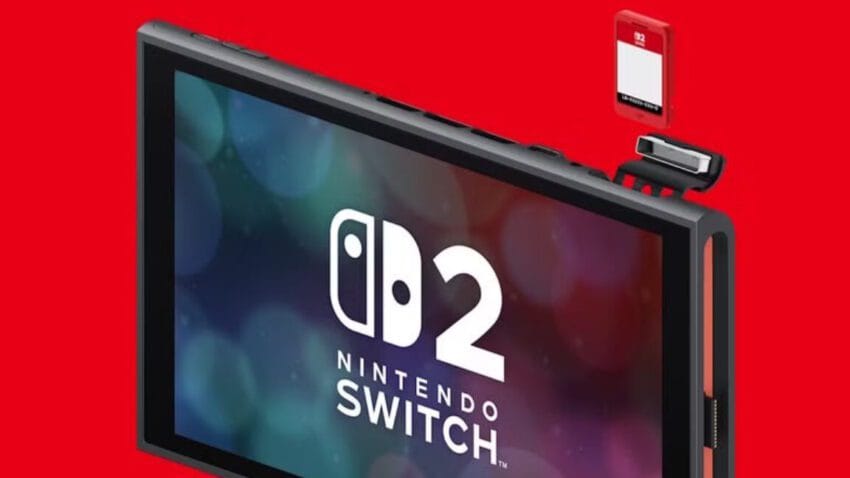
dev says switch 2 s physical game Nintendo’s Switch 2 is facing challenges with its physical Game Card interface, which may deter publishers from opting for fully physical game releases.
dev says switch 2 s physical game
Background on Nintendo’s Game Card System
Nintendo has long been known for its innovative approaches to gaming hardware and software. The original Switch, launched in March 2017, introduced a hybrid gaming experience that allowed players to enjoy console-quality games both at home and on the go. A significant aspect of this system was its use of Game Cards, which are small, cartridge-like media that store game data. Unlike traditional physical media, these cards do not contain all the game data; instead, they often require additional downloads to unlock full game functionality. This model has been met with mixed reactions from consumers and developers alike.
While some game publishers have embraced the Game Key Cards for their convenience and lower production costs, many fans have expressed dissatisfaction with the lack of physical content. The trend towards digital downloads has raised concerns about the future of physical media in gaming, as consumers worry about the longevity and accessibility of their game libraries. As the gaming industry evolves, the balance between physical and digital formats continues to be a contentious topic.
Technical Limitations of the Switch 2
As Nintendo prepares to launch the Switch 2, developers are beginning to assess the capabilities of the new hardware. One of the most significant concerns raised is the performance of the Switch 2’s Game Card interface. Rob Bantin, the Audio Architect for the game “Star Wars Outlaws,” recently shared insights into these limitations in a Bluesky thread. He explained that the technical specifications of the Switch 2’s Game Cards were insufficient for the game’s requirements.
Performance Challenges with Game Streaming
Bantin highlighted that “Snowdrop,” the game engine used for “Star Wars Outlaws,” relies heavily on disk streaming to create immersive open-world environments. This technique allows for the seamless loading of game assets as players explore the game world, enhancing the overall experience. However, Bantin noted that the performance of the Switch 2’s Game Cards did not meet the quality targets set for the game.
“We found the Switch 2 cards simply didn’t give the performance we needed at the quality target we were going for,” Bantin stated. This limitation raises questions about the viability of fully physical game releases on the platform, particularly for titles that demand high-quality graphics and expansive game worlds.
Design Considerations and Development Challenges
Another critical factor in the decision to forgo a full physical release for “Star Wars Outlaws” was the game’s initial design. Bantin explained that the game was originally built around the SSDs of the initial target platforms, which provided faster data access speeds. When the Switch 2 was introduced later in the development process, the team faced challenges in adapting the game to the new hardware’s capabilities.
“I think if we’d designed a game for Switch 2 from the ground up it might have been different,” Bantin remarked. This statement underscores the importance of designing games with specific hardware in mind, particularly when it comes to performance-critical elements like streaming and loading times. The Switch 2’s Game Card limitations may pose a significant hurdle for developers looking to create high-quality experiences on the platform.
Industry Implications
The revelations from Bantin’s comments have broader implications for the gaming industry, particularly as it relates to the future of physical media. As developers grapple with the limitations of the Switch 2’s Game Cards, there is a risk that more publishers may choose to release games exclusively in digital formats. This shift could further alienate fans who prefer physical copies of their games, leading to a potential decline in the market for physical media.
Publisher Reactions
While it remains to be seen how other publishers will respond to the challenges posed by the Switch 2’s Game Card interface, Bantin’s comments suggest that some may already be reconsidering their strategies. The need for high-performance hardware is increasingly important in a competitive gaming landscape, where players expect cutting-edge graphics and seamless gameplay.
As developers weigh the pros and cons of releasing games on the Switch 2, they must also consider the potential impact on their relationships with consumers. The backlash against digital-only releases could lead to a loss of trust among fans, particularly if they feel that their preferences for physical media are being ignored. Publishers may need to find a balance between embracing new technologies and catering to the desires of their audience.
Future of Physical Media in Gaming
The ongoing debate over physical versus digital media in gaming is not new, but the challenges faced by the Switch 2 could accelerate the shift towards digital formats. As technology continues to evolve, the demand for faster and more efficient data storage solutions is likely to grow. This trend raises questions about the long-term viability of physical media in an increasingly digital world.
Consumer Preferences
Consumer preferences play a crucial role in shaping the future of gaming media. Many players appreciate the tactile experience of owning a physical copy of a game, complete with packaging and artwork. Additionally, physical media often provides a sense of permanence that digital downloads cannot match. However, the convenience of digital downloads and the growing popularity of cloud gaming are compelling factors that may sway consumers towards digital formats.
As the gaming industry evolves, it will be essential for publishers to remain attuned to consumer preferences. The backlash against digital-only releases could serve as a wake-up call for developers and publishers alike, prompting them to consider hybrid models that offer both physical and digital options. This approach could help bridge the gap between the two formats and ensure that players have access to the games they want in the format they prefer.
Conclusion
The challenges posed by the Switch 2’s Game Card interface highlight the complexities of developing games for new hardware. As developers like Rob Bantin navigate these limitations, the industry must grapple with the implications for physical media and consumer preferences. The future of gaming may hinge on finding a balance between technological advancements and the desires of players, ensuring that both physical and digital formats can coexist in a rapidly changing landscape.
Source: Original report
Was this helpful?
Explore more: More Gaming Tech News Blog
Last Modified: September 8, 2025 at 6:31 pm
10 views