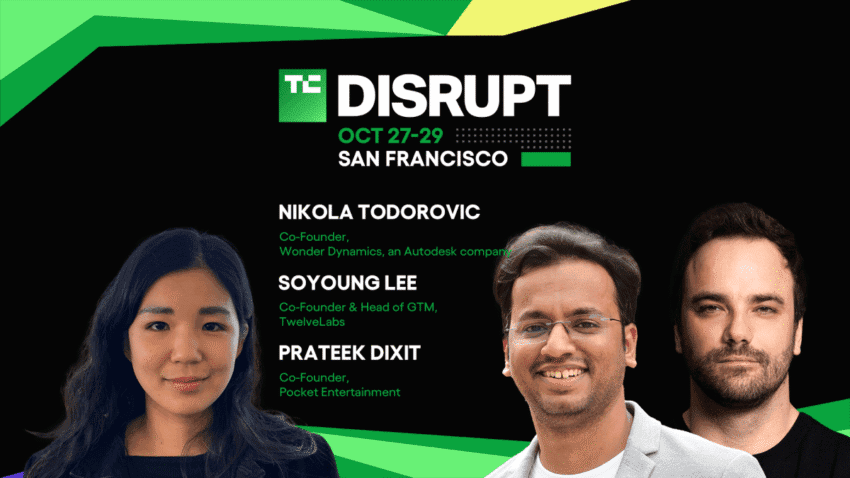
creative machines and where ai meets imagination TechCrunch Disrupt 2025 showcased the transformative potential of artificial intelligence in the realms of storytelling, video production, and animation, featuring insights from industry leaders Prateek Dixit, Nikola Todorovic, and Soyoung Lee.
creative machines and where ai meets imagination
The Intersection of AI and Creativity
As artificial intelligence continues to evolve, its applications in creative fields are becoming increasingly prominent. At TechCrunch Disrupt 2025, experts gathered to discuss how AI is not merely a tool but a collaborative partner in the creative process. The panel featured Prateek Dixit, co-founder of the AI-driven storytelling platform, StoryAI; Nikola Todorovic, a pioneer in AI-generated animation; and Soyoung Lee, a leading figure in AI-enhanced video production.
The discussions highlighted the ways in which AI is reshaping traditional narratives and artistic expressions, allowing creators to push boundaries that were previously thought to be unattainable. The panelists emphasized that AI can augment human creativity rather than replace it, leading to more innovative and engaging content.
AI in Storytelling
Prateek Dixit opened the conversation by discussing the role of AI in storytelling. He explained that StoryAI leverages machine learning algorithms to analyze vast amounts of narrative data, enabling it to generate unique storylines and character arcs. This technology allows writers to explore new genres and styles, breaking free from conventional storytelling constraints.
Dixit noted, “AI can help writers by providing inspiration and generating ideas that they may not have considered. It’s like having a brainstorming partner that never runs out of creativity.” He highlighted several successful projects where AI-assisted storytelling led to unexpected yet compelling narratives, demonstrating the potential for collaboration between human authors and AI systems.
Animation and AI
Nikola Todorovic took the stage to discuss the impact of AI on animation. He shared insights from his work in developing AI tools that streamline the animation process, making it more accessible to creators of all skill levels. By automating repetitive tasks such as in-betweening and character rigging, AI allows animators to focus on the more creative aspects of their work.
Todorovic stated, “With AI, we can democratize animation. It opens up opportunities for independent creators who may not have the resources of large studios.” He showcased examples of animations created using AI tools, illustrating how these technologies can produce high-quality visuals while significantly reducing production time.
Video Production Innovations
Soyoung Lee, a leader in AI-enhanced video production, discussed how AI is revolutionizing the way videos are created and edited. She highlighted advancements in AI-driven editing software that can analyze footage and suggest edits based on the desired emotional tone or narrative structure. This technology not only speeds up the editing process but also enhances the storytelling aspect of video content.
<p“AI can analyze viewer preferences and engagement metrics, allowing creators to tailor their videos for maximum impact,” Lee explained. She emphasized that this data-driven approach enables filmmakers to make informed decisions, ultimately leading to more engaging and successful projects.
Collaborative Creativity
The panelists collectively emphasized the importance of collaboration between humans and AI in the creative process. They argued that while AI can generate content and provide insights, the human touch remains essential for crafting compelling narratives and emotional connections.
“AI is a tool, not a replacement for human creativity,” Todorovic remarked. “It’s about finding the right balance and using AI to enhance our capabilities.” This sentiment resonated throughout the discussion, as the panelists shared their experiences of working alongside AI to create innovative projects.
Real-World Applications
Throughout the event, the panelists provided examples of real-world applications of AI in creative industries. From AI-generated short films to interactive storytelling experiences, the possibilities are vast. They discussed how companies are already leveraging these technologies to create content that resonates with audiences on a deeper level.
- AI-Generated Films: Several independent filmmakers have begun using AI tools to generate scripts and storyboards, allowing them to produce films more efficiently.
- Interactive Experiences: AI is being used to create immersive storytelling experiences in video games and virtual reality, where narratives adapt based on player choices.
- Content Personalization: Streaming services are utilizing AI algorithms to recommend content tailored to individual viewer preferences, enhancing user engagement.
Challenges and Ethical Considerations
While the potential of AI in creative fields is immense, the panelists also addressed the challenges and ethical considerations that come with its use. Concerns about copyright, originality, and the potential for AI-generated content to perpetuate biases were discussed in depth.
Copyright and Ownership
One of the primary concerns raised was the issue of copyright and ownership of AI-generated content. As AI systems become more capable of creating original works, questions arise about who owns the rights to these creations. Dixit pointed out, “We need to establish clear guidelines on copyright and ownership to ensure that creators are protected.”
This issue is particularly pressing in the context of collaborative projects where both human and AI contributions are significant. The panelists agreed that industry-wide discussions are necessary to navigate these complexities and protect the rights of all creators involved.
Bias and Representation
Another significant concern is the potential for AI to perpetuate existing biases in storytelling and representation. Todorovic emphasized the importance of training AI systems on diverse datasets to ensure that the narratives generated are inclusive and representative of various perspectives. “If we don’t address bias in AI training, we risk reinforcing stereotypes and limiting creativity,” he warned.
Lee added that creators must remain vigilant and actively engage with the ethical implications of their work. “It’s our responsibility to ensure that AI is used to uplift diverse voices and stories rather than marginalize them,” she stated.
The Future of AI in Creative Industries
Looking ahead, the panelists expressed optimism about the future of AI in creative industries. They believe that as technology continues to advance, new opportunities for collaboration between humans and AI will emerge, leading to innovative forms of storytelling and artistic expression.
Dixit concluded, “The future is bright for creators who embrace AI as a partner. It’s an exciting time to be in the creative field, and I can’t wait to see what we’ll create together.” This sentiment encapsulated the overall message of the panel: that AI is not just a tool but a catalyst for creativity, enabling artists to explore new horizons.
Conclusion
TechCrunch Disrupt 2025 served as a platform for exploring the intersection of AI and creativity, showcasing how these technologies are reshaping storytelling, animation, and video production. As industry leaders like Prateek Dixit, Nikola Todorovic, and Soyoung Lee shared their insights, it became clear that the future of creative industries lies in collaboration between humans and AI.
While challenges and ethical considerations remain, the potential for innovation and new forms of expression is vast. As creators continue to embrace AI as a partner, the landscape of storytelling and artistic expression will undoubtedly evolve, leading to exciting new possibilities in the world of creativity.
Source: Original report
Was this helpful?
Explore more: AI Automation Services More AI & Automation Tech News
Last Modified: October 1, 2025 at 8:49 pm
14 views