apple s next-gen vision pro revealed in Recent regulatory filings have provided new insights into Apple’s anticipated next-generation Vision Pro headset, confirming ongoing developments in the company’s augmented and virtual reality endeavors.
apple s next-gen vision pro revealed in
Regulatory Confirmation of New Device
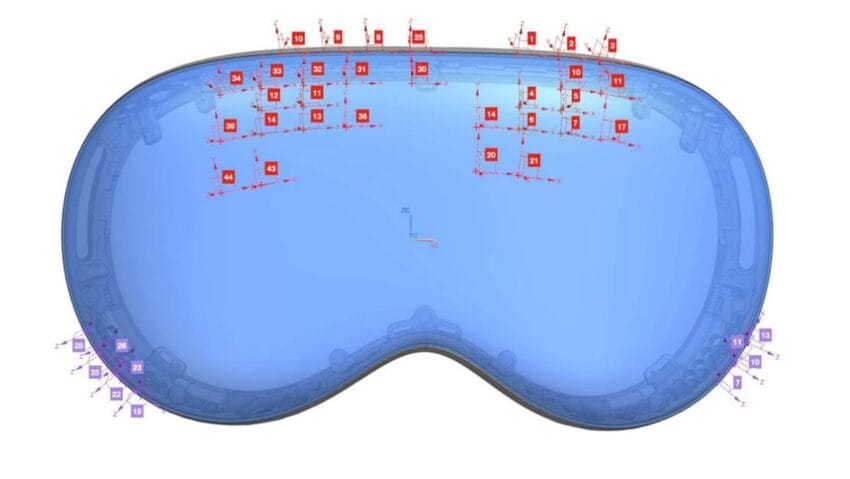
The recent filing with the Federal Communications Commission (FCC) has generated excitement among tech enthusiasts and industry analysts alike. Discovered by MacRumors, the filing includes a diagram of a “Head Mounted Device” that closely resembles the existing Vision Pro headset. This revelation adds credence to months of speculation regarding Apple’s plans to enhance its augmented reality (AR) and virtual reality (VR) offerings.
Model Specifications and Features
While the details in the FCC filing remain somewhat limited, they provide crucial insights into the upcoming device. The new headset is identified by the model number A3416, and it is expected to support Wi-Fi 6 technology. This feature aligns with the capabilities of the original Vision Pro, which was designed to deliver high-speed wireless connectivity essential for immersive experiences.
Wi-Fi 6, also known as 802.11ax, offers several advantages over its predecessors, including faster speeds, increased capacity, and improved performance in congested environments. These enhancements are particularly significant for devices like the Vision Pro, which rely on seamless data transmission for high-quality visuals and responsive interactions.
Processor Upgrades
In addition to connectivity improvements, the upcoming Vision Pro headset is rumored to be equipped with a more powerful M5 processor. This speculation stems from code that was inadvertently shared by Apple, hinting at the company’s ongoing efforts to enhance the performance of its devices. The M5 processor is expected to deliver better graphics rendering, faster processing speeds, and improved energy efficiency, all of which are critical for a device focused on AR and VR experiences.
Design Considerations
One of the notable design changes anticipated for the new Vision Pro headset is a redesigned strap. Reports suggest that this modification aims to address user comfort, particularly concerning head and neck pain, which has been a common concern among users of similar head-mounted devices. Comfort is paramount for prolonged use, especially in applications that require extended periods of immersion, such as gaming, training simulations, and virtual meetings.
Market Positioning and Release Timeline
Industry insiders, including Bloomberg’s Mark Gurman, have indicated that Apple could potentially launch the new Vision Pro headset as early as this year. This timeline aligns with Apple’s historical approach of unveiling new products during its annual fall events, where the company often showcases its latest innovations. However, as with any product launch, the exact timing remains uncertain and could be influenced by various factors, including supply chain dynamics and market readiness.
Future Developments in AR and VR
Beyond the next-generation Vision Pro headset, Apple is reportedly exploring additional products in the AR and VR space. Supply chain analyst Ming-Chi Kuo has suggested that the company is also developing a lighter and more affordable version of the Vision headset, tentatively referred to as the Vision “Air.” This model is expected to launch in 2027, indicating Apple’s long-term commitment to expanding its presence in the AR and VR markets.
Competitive Landscape
The emergence of the Vision “Air” aligns with Apple’s strategy to cater to a broader audience. By offering a more budget-friendly option, Apple aims to compete with other players in the market, such as Meta, which has been actively promoting its own line of VR headsets and smart glasses. The competitive landscape for AR and VR devices is rapidly evolving, with various companies vying for market share and consumer attention.
Smart Glasses and Gesture Recognition
In addition to the Vision Pro and Vision “Air,” Apple is rumored to be developing smart glasses that could rival products like Ray-Ban Meta. These glasses are expected to feature advanced capabilities, including voice control and gesture recognition. Such features would enable users to interact with their environment in a more intuitive manner, enhancing the overall user experience.
Implications for Developers and Content Creators
The introduction of new AR and VR devices by Apple could have significant implications for developers and content creators. As Apple expands its ecosystem, there will likely be increased demand for applications and experiences tailored to these new platforms. Developers may need to adapt their existing content or create new experiences that leverage the enhanced capabilities of the upcoming devices.
Moreover, Apple’s reputation for quality and user experience could set new standards in the industry, prompting competitors to elevate their offerings. This competitive pressure could lead to a surge in innovation across the AR and VR sectors, benefiting consumers with a wider array of choices and improved technologies.
Consumer Expectations and Market Readiness
As Apple gears up for the potential launch of its next-generation Vision Pro headset, consumer expectations are running high. The original Vision Pro was well-received for its innovative features and high-quality experience, setting a benchmark for future devices. Consumers are likely looking for enhancements that justify the investment in a new headset, including improved comfort, performance, and a broader range of applications.
Market readiness will also play a crucial role in the success of the new devices. The AR and VR markets have seen fluctuating interest levels, influenced by factors such as technological advancements, pricing, and consumer awareness. Apple’s entry into this space has historically generated significant buzz, but sustaining that interest will require ongoing innovation and effective marketing strategies.
Stakeholder Reactions
Reactions from stakeholders, including analysts, consumers, and industry competitors, will be closely monitored as details about the new Vision Pro headset continue to emerge. Analysts are likely to assess the potential impact of the new device on Apple’s overall market position, particularly in relation to its competitors in the AR and VR sectors.
Consumers, on the other hand, will be eager to see how the new features and improvements translate into real-world experiences. Feedback from early adopters will be crucial in shaping the perception of the device and influencing future iterations. Competitors will also be watching closely, as Apple’s innovations could prompt them to accelerate their own development efforts or adjust their strategies in response to the changing landscape.
Conclusion
As Apple continues to refine its Vision Pro headset and explore new AR and VR offerings, the tech community remains abuzz with anticipation. The recent FCC filing has provided a glimpse into the company’s plans, confirming the development of a next-generation device that promises enhanced features and improved performance. With a potential launch on the horizon, stakeholders across the industry will be keenly observing how Apple navigates this competitive landscape and what it means for the future of augmented and virtual reality technologies.
Source: Original report
Was this helpful?
Explore more: More Hardware & Devices Tech News Blog
Last Modified: October 1, 2025 at 8:48 pm
16 views