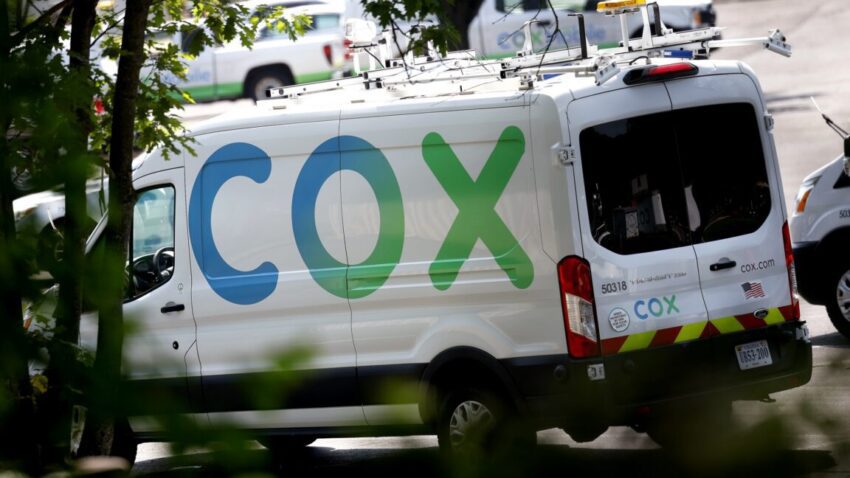
charter gets fcc permission to buy cox Charter Communications has received approval from the Federal Communications Commission (FCC) for its acquisition of Cox Communications, positioning the company to become the largest Internet service provider (ISP) in the United States.
charter gets fcc permission to buy cox
Overview of the Acquisition
Charter Communications, known for its Spectrum cable brand, is set to expand its footprint significantly with the acquisition of Cox Communications. This $34.5 billion deal will allow Charter to surpass Comcast, which currently holds the title of the largest ISP in the country. As of now, Charter serves approximately 29.7 million residential and business Internet customers, while Comcast has around 31.26 million. The acquisition of Cox will add an estimated 5.9 million Internet customers to Charter’s base, further consolidating its position in the market.
Regulatory Approval Process
The FCC granted approval for the acquisition on a Friday, marking a significant step forward for Charter. However, the deal is not yet finalized; it still requires approval from the U.S. Department of Justice and various state regulators, including those in California and New York. The regulatory landscape surrounding such large mergers is complex, often involving extensive scrutiny from multiple governmental bodies to ensure compliance with antitrust laws and to protect consumer interests.
Concerns Over Market Competition
Despite the FCC’s approval, the acquisition has faced opposition from various stakeholders. Critics argue that the merger will reduce competition in the broadband market, potentially leading to higher prices for consumers. They contend that eliminating Cox as an independent entity could facilitate price increases by both Charter and Comcast, as they would have less incentive to compete aggressively for customers.
Opponents of the merger have pointed out that Charter and Cox do not directly compete in most of their service areas. This argument was a key factor in the FCC’s decision to approve the acquisition, as the commission concluded that the merger would not significantly harm competition. However, the concerns raised by opponents highlight the ongoing debate about market concentration in the telecommunications sector and its implications for consumers.
Market Implications
The merger between Charter and Cox is poised to reshape the competitive landscape of the broadband market in the United States. With the combined customer base, Charter will have increased leverage in negotiations with content providers and other stakeholders. This could lead to enhanced service offerings and potentially better pricing structures for consumers, although the risk of price hikes remains a concern.
Consumer Impact
For consumers, the implications of this merger are multifaceted. On one hand, the increased scale of Charter could lead to improved infrastructure investments and enhanced service quality. Larger ISPs often have more resources to invest in technology upgrades, which can result in faster internet speeds and more reliable service.
On the other hand, the consolidation of power in the hands of fewer companies raises concerns about pricing and service options. If Charter and Comcast dominate the market, consumers may find themselves with limited choices and potentially higher prices. The fear is that without sufficient competition, these companies may not feel compelled to maintain competitive pricing or invest in customer service improvements.
Stakeholder Reactions
The reactions to the FCC’s approval of the Charter-Cox merger have been mixed. Proponents of the deal argue that it will lead to a more robust and competitive ISP landscape, while critics warn of the dangers of further consolidation. Consumer advocacy groups have expressed concern that the merger could lead to a decrease in service quality and an increase in prices for consumers.
Support for the Merger
Supporters of the merger, including some industry analysts and business leaders, argue that the acquisition will create a more efficient and competitive company capable of delivering better services to consumers. They posit that the combined resources of Charter and Cox will allow for greater investment in broadband infrastructure, particularly in underserved areas where access to high-speed internet remains limited.
Opposition and Advocacy
Opponents of the merger, including various consumer advocacy groups, have raised alarms about the potential for price increases and reduced service quality. They argue that the merger will diminish competition in the broadband market, leading to a scenario where consumers have fewer choices and higher costs. Advocacy groups have called for more stringent regulatory oversight to ensure that the interests of consumers are protected in the face of such large-scale mergers.
Historical Context of ISP Mergers
The Charter-Cox merger is not an isolated event; it is part of a broader trend of consolidation within the telecommunications industry. Over the past decade, there have been several high-profile mergers and acquisitions among major ISPs, raising questions about the future of competition in the market.
Historically, the telecommunications industry has been characterized by significant consolidation, with a few large companies dominating the landscape. This trend has led to ongoing debates about the balance between fostering competition and allowing companies to achieve economies of scale through mergers.
Regulatory Landscape
The regulatory environment surrounding telecommunications mergers has evolved over the years. The FCC and the Department of Justice have both played crucial roles in assessing the competitive implications of such deals. The approval of the Charter-Cox merger reflects the current regulatory stance that emphasizes the importance of competition in the broadband market, even as concerns about market concentration persist.
Future Outlook
As Charter moves forward with its acquisition of Cox, the future of the broadband market remains uncertain. The implications of this merger will likely unfold over the coming months and years, as regulatory bodies continue to monitor the impact on competition and consumer prices.
Industry analysts will be closely watching how Charter integrates Cox’s operations and customer base, as well as how the merger affects pricing and service offerings in the market. The outcome of this acquisition could set a precedent for future mergers in the telecommunications sector, influencing how regulators approach similar deals in the future.
Potential for Innovation
One potential positive outcome of the merger is the opportunity for innovation in broadband services. With increased resources, Charter may be better positioned to invest in new technologies and service models that could benefit consumers. This could include advancements in fiber-optic technology, improved customer service platforms, and enhanced cybersecurity measures.
Moreover, the merger could lead to a more unified approach to addressing the digital divide, particularly in rural and underserved communities. By leveraging the combined strengths of Charter and Cox, there may be greater potential for expanding high-speed internet access to areas that have historically been neglected by major ISPs.
Conclusion
The approval of Charter’s acquisition of Cox Communications marks a significant milestone in the ongoing evolution of the telecommunications industry. While the merger presents opportunities for enhanced services and infrastructure investment, it also raises valid concerns about competition and consumer pricing. As the regulatory process continues and the merger is finalized, stakeholders will be keenly observing its implications for the future of broadband in the United States.
Source: Original report
Was this helpful?
Explore more: More Business & Startups Tech News Blog
Last Modified: March 3, 2026 at 7:37 am
13 views