can tap-to-pay save public transportation Recent advancements in tap-to-pay technology are raising questions about its potential to transform public transportation systems.
can tap-to-pay save public transportation
Introduction to Tap-to-Pay Technology
Tap-to-pay technology has gained significant traction in recent years, particularly in urban environments where convenience and speed are paramount. This technology allows users to pay for services by simply tapping their smartphones or contactless cards against a reader, streamlining the payment process. In the context of public transportation, this innovation could address long-standing issues related to fare collection and user experience.
How Tap-to-Pay Works
The mechanics of tap-to-pay systems are relatively straightforward. Users typically link their payment method—be it a credit card, debit card, or mobile wallet—to a digital platform. When they approach a payment terminal, they simply tap their device, which communicates with the terminal using Near Field Communication (NFC) technology. This interaction is both quick and secure, often taking just a fraction of a second.
The User Experience
For many commuters, the experience of using tap-to-pay is seamless. For instance, in New York City, riders can use their smartphones to access the subway system without needing a physical MetroCard. This not only speeds up the boarding process but also reduces the need for cash transactions, which can be cumbersome and time-consuming.
Benefits of Tap-to-Pay in Public Transportation
- Efficiency: Tap-to-pay systems significantly reduce wait times at fare gates, allowing for smoother and faster boarding.
- Accessibility: These systems can be more inclusive, as they cater to a wider range of users, including those who may not carry cash or traditional fare cards.
- Cost-Effectiveness: By minimizing the need for physical fare collection infrastructure, transit agencies can save on operational costs.
- Data Collection: Tap-to-pay systems can provide valuable data on ridership patterns, helping transit authorities make informed decisions about service improvements.
Challenges Facing Implementation
Despite the numerous advantages, the transition to tap-to-pay systems is not without its challenges. Various factors can impede the widespread adoption of this technology in public transportation.
Infrastructure Costs
One of the primary hurdles is the cost associated with upgrading existing infrastructure. Many public transit systems operate on tight budgets, and the financial investment required to install new payment terminals and upgrade backend systems can be daunting. For instance, cities like San Francisco and Chicago have made strides in implementing contactless payment systems, but the initial costs have been substantial.
Equity and Access
Another significant concern is equity. While tap-to-pay systems can enhance convenience for many, they may inadvertently exclude vulnerable populations who rely on cash transactions. Ensuring that all riders have access to fare payment options is crucial in maintaining equitable public transportation services. Transit authorities must balance the push for modernization with the need to accommodate all users.
Security and Privacy Concerns
Security is also a pressing issue. As with any digital payment system, there are risks associated with data breaches and fraud. Users must trust that their personal and financial information is secure when using tap-to-pay technology. Transit agencies need to implement robust cybersecurity measures to protect user data and maintain public confidence in the system.
Case Studies: Cities Leading the Way
Several cities around the world have successfully integrated tap-to-pay technology into their public transportation systems, providing valuable insights into its potential benefits and challenges.
New York City
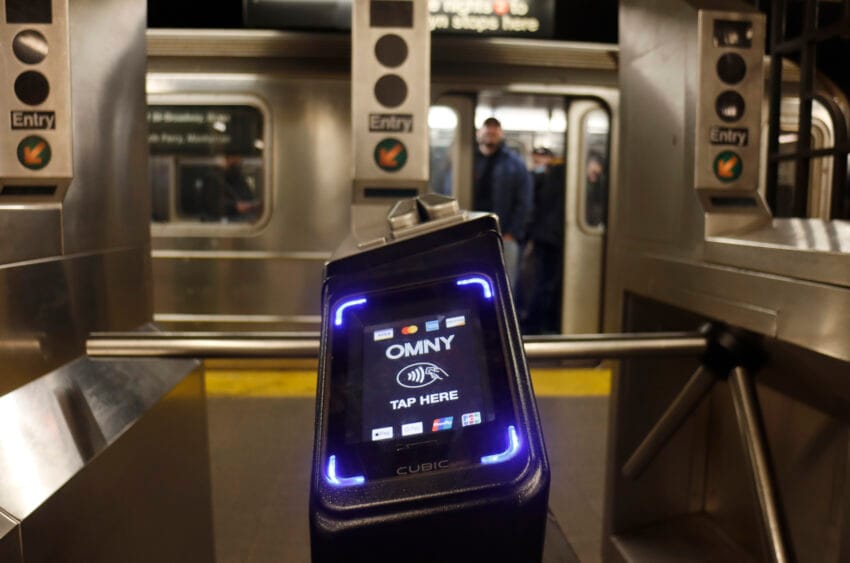
New York City has been at the forefront of adopting tap-to-pay technology in public transit. The Metropolitan Transportation Authority (MTA) introduced the OMNY system, which allows riders to use their smartphones or contactless cards to pay for subway and bus fares. Since its launch, OMNY has seen rapid adoption, with millions of taps recorded. The MTA aims to phase out MetroCards entirely by 2023, marking a significant shift in how New Yorkers access public transportation.
London
In London, the Oyster card system has long been a staple of public transit. However, the introduction of contactless payment options has further streamlined the process. Riders can now use their contactless debit or credit cards to pay for travel, eliminating the need for a separate card. This system has been well-received, with millions of journeys made using contactless payments each week.
San Francisco
San Francisco’s Clipper card system has also embraced tap-to-pay technology. The city has implemented contactless payment options for its buses, trains, and ferries, allowing for a more integrated and user-friendly experience. However, the transition has not been without challenges, particularly regarding the need for ongoing investment in infrastructure upgrades.
The Future of Tap-to-Pay in Public Transportation
As cities continue to explore the integration of tap-to-pay technology, the future of public transportation may be significantly reshaped. The ongoing evolution of digital payment systems, coupled with the increasing demand for efficient and user-friendly transit options, suggests that tap-to-pay will play a crucial role in the development of modern public transportation.
Potential for Expansion
Beyond urban transit systems, tap-to-pay technology could also extend to other forms of public transportation, such as intercity buses and trains. This expansion could further enhance the convenience and accessibility of public transit, making it a more attractive option for commuters and travelers alike.
Integration with Other Technologies
Moreover, the integration of tap-to-pay systems with other technologies, such as mobile apps and real-time tracking, could create a more cohesive travel experience. Riders could plan their journeys, purchase fares, and receive updates on service changes all within a single platform, enhancing the overall user experience.
Stakeholder Reactions
The response from various stakeholders regarding the implementation of tap-to-pay technology in public transportation has been mixed. While many transit authorities and technology providers see the potential for improved efficiency and user satisfaction, concerns about equity, security, and infrastructure costs remain prevalent.
Transit Authorities
Transit authorities are generally supportive of tap-to-pay technology, recognizing its potential to modernize systems and improve service delivery. However, they are also cautious about the financial implications and the need to ensure that all riders can access fare payment options.
Commuters
For commuters, the reception has largely been positive. Many appreciate the convenience and speed of tap-to-pay systems, particularly in busy urban environments. However, some users express concerns about the potential for exclusion, particularly among those who rely on cash or may not have access to digital payment methods.
Technology Providers
Technology providers are enthusiastic about the opportunities presented by tap-to-pay systems. They see a growing market for contactless payment solutions in public transportation and are eager to collaborate with transit agencies to develop and implement these technologies. However, they also acknowledge the importance of addressing security and privacy concerns to build trust with users.
Conclusion
As cities grapple with the challenges of modernizing public transportation, tap-to-pay technology offers a promising solution to enhance efficiency, accessibility, and user satisfaction. While there are hurdles to overcome, the experiences of cities like New York, London, and San Francisco demonstrate that the benefits can outweigh the challenges. The future of public transportation may very well depend on the successful integration of tap-to-pay systems, paving the way for a more connected and efficient travel experience.
Source: Original report
Was this helpful?
Explore more: More Consumer Technology Tech News Blog
Last Modified: October 6, 2025 at 2:48 am
16 views