brokewell android malware delivered through fake tradingview — Cybercriminals are exploiting Meta's advertising platforms to distribute the Brokewell malware through fraudulent offers of a free TradingView Premium app aimed at Android users..
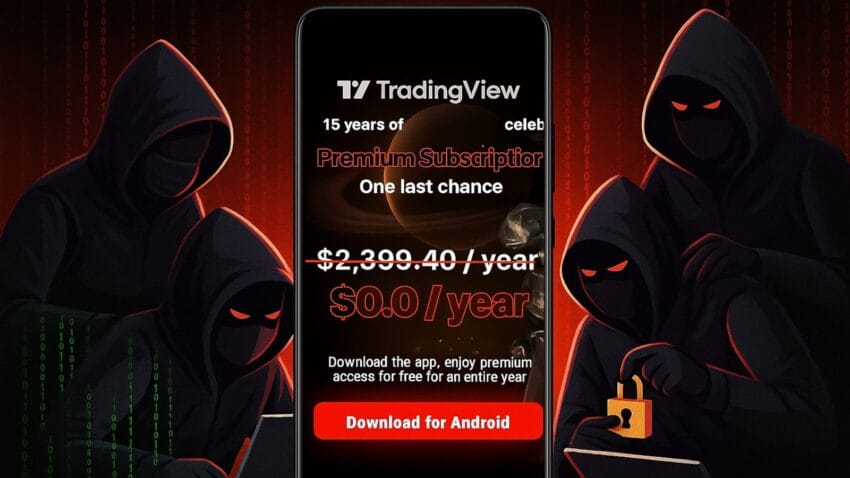
Cybercriminals are exploiting Meta’s advertising platforms to distribute the Brokewell malware through fraudulent offers of a free TradingView Premium app aimed at Android users.
brokewell android malware delivered through fake tradingview
Overview of Brokewell Malware
brokewell android malware delivered through fake tradingview: key context and updates inside.
Brokewell is a sophisticated piece of malware designed to target Android devices, primarily focusing on stealing sensitive information and compromising user privacy. Once installed, it can access a range of permissions that allow it to monitor user activity, capture keystrokes, and even intercept messages. This type of malware poses a significant threat to both individual users and organizations, as it can lead to identity theft, financial loss, and unauthorized access to sensitive data.
Functionality and Capabilities
The Brokewell malware operates by disguising itself as legitimate applications, making it difficult for users to identify its malicious intent. Once installed, it can perform various harmful activities, including:
- Stealing login credentials for banking and social media accounts.
- Tracking user location and activities.
- Accessing personal contacts and messages.
- Downloading additional malicious payloads without user consent.
These capabilities make Brokewell a formidable threat in the realm of mobile cybersecurity, as it can easily blend in with legitimate applications and evade detection by standard security measures.
How the Malware is Distributed
The distribution of Brokewell malware is primarily facilitated through deceptive advertisements on Meta’s platforms, including Facebook and Instagram. Cybercriminals create fake ads that promote a non-existent free version of TradingView Premium, a popular tool used for financial analysis and trading. By leveraging the credibility of TradingView, a well-known brand in the financial sector, these ads attract unsuspecting users who are looking for free access to premium features.
Targeting Users
The ads are designed to appeal to a specific audience—traders and investors who are likely to be interested in advanced trading tools. By targeting this demographic, the cybercriminals increase the chances of successful installations of the malware. Once a user clicks on the ad, they are redirected to a website that mimics the official TradingView site, where they are prompted to download the malicious APK file.
Technical Aspects of the Malware
Upon downloading, the Brokewell malware often requires users to enable installation from unknown sources, a common tactic used by malicious software to bypass security restrictions. Once installed, it can request a variety of permissions that allow it to operate effectively. These permissions may include access to:
- Device storage for saving and executing additional malicious files.
- Contacts for harvesting personal information.
- Camera and microphone for spying on users.
This level of access can lead to severe privacy violations and financial repercussions for the victims.
Implications for Users and Organizations
The rise of Brokewell malware through fake TradingView ads underscores the growing threat posed by cybercriminals who exploit popular platforms for malicious purposes. Users who fall victim to this scam may face significant consequences, including:
- Loss of personal information, leading to identity theft.
- Unauthorized financial transactions from compromised accounts.
- Long-term damage to credit scores and financial stability.
Organizations that rely on mobile applications for their operations are also at risk. If employees unknowingly install the Brokewell malware, it could lead to data breaches and compromise sensitive corporate information. This situation highlights the need for robust security measures and employee training to recognize and avoid such threats.
Stakeholder Reactions
The discovery of Brokewell malware has elicited a range of responses from various stakeholders, including cybersecurity experts, affected users, and Meta itself.
Cybersecurity Experts
Cybersecurity professionals have expressed concern over the increasing sophistication of malware distribution methods. Experts emphasize the importance of user education in recognizing fraudulent ads and the need for enhanced security measures on platforms like Meta. They advocate for:
- Stricter ad verification processes to prevent the spread of malicious content.
- Regular updates to security software to detect and mitigate threats.
- Public awareness campaigns to educate users about the risks of downloading apps from unverified sources.
Affected Users
For users who have fallen victim to the Brokewell malware, the experience can be both distressing and financially damaging. Many report feelings of violation and frustration, as their personal information is compromised. Victims are urged to take immediate action, including:
- Removing the malicious app and changing passwords for affected accounts.
- Monitoring financial statements for unauthorized transactions.
- Enabling two-factor authentication where possible to enhance account security.
Meta’s Response
Meta has faced scrutiny for allowing such ads to proliferate on its platforms. In response, the company has stated that it is actively working to improve its ad review processes and enhance security measures to prevent the spread of malicious content. However, critics argue that more needs to be done to protect users from these types of scams.
Preventive Measures and Best Practices
To mitigate the risks associated with malware like Brokewell, users and organizations should adopt a proactive approach to cybersecurity. Here are some best practices to consider:
- Download Apps from Official Sources: Always download applications from official app stores, such as Google Play or the Apple App Store, to reduce the risk of encountering malicious software.
- Enable Security Features: Utilize built-in security features on devices, such as Google Play Protect, which scans apps for malware before installation.
- Be Wary of Unsolicited Offers: Exercise caution when encountering ads or offers that seem too good to be true. Always verify the legitimacy of the source before proceeding.
- Regularly Update Software: Keep your device’s operating system and applications up to date to ensure you have the latest security patches and features.
- Educate Yourself and Others: Stay informed about the latest cybersecurity threats and share knowledge with friends, family, and colleagues to promote a culture of security awareness.
Conclusion
The emergence of Brokewell malware through fake TradingView ads serves as a stark reminder of the vulnerabilities present in the digital landscape. As cybercriminals continue to develop more sophisticated methods of attack, it is crucial for users and organizations to remain vigilant and proactive in their cybersecurity efforts. By adopting best practices and fostering awareness, individuals can better protect themselves against the growing threat of mobile malware.
Source: Original report
Further reading: related insights.
Further reading: related insights.
Further reading: related insights.
Was this helpful?
Explore more: Application Audit & Review More Cybersecurity Tech News
Last Modified: July 15, 2026 at 9:35 am
5 views