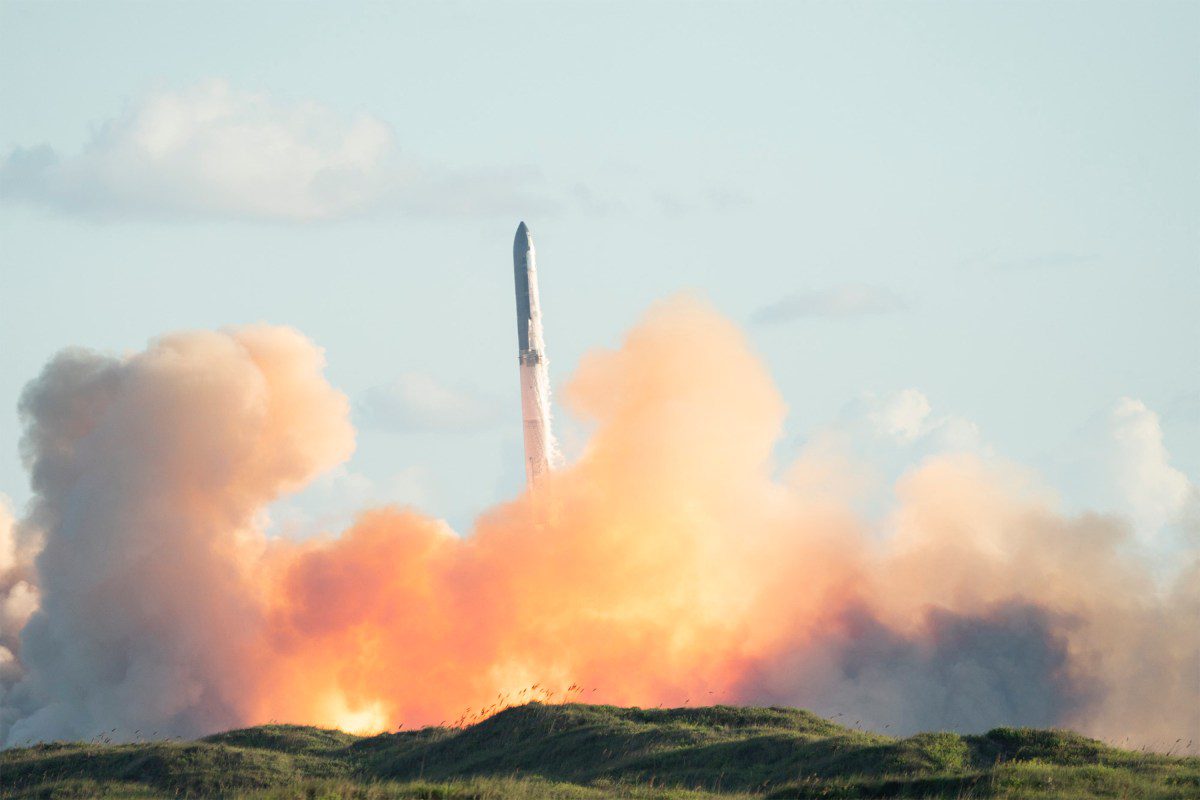
blue origin pauses space tourism flights to Blue Origin has announced a temporary halt to its space tourism flights as it shifts its focus toward lunar exploration.
blue origin pauses space tourism flights to
Strategic Shift in Focus
Blue Origin, the aerospace company founded by Jeff Bezos, has decided to pause its space tourism operations to concentrate on its lunar ambitions. This strategic pivot comes in response to the increasing interest in lunar exploration, particularly in light of the U.S. government’s renewed commitment to returning astronauts to the Moon. The company aims to align its efforts with the broader goals set forth by the current administration, which has expressed a desire to see humans land on the lunar surface by the end of President Donald Trump’s term.
Background on Blue Origin’s Space Tourism
Founded in 2000, Blue Origin has been a key player in the private space industry. The company initially focused on developing reusable rocket technology, which has become a cornerstone of modern space travel. In 2021, Blue Origin successfully launched its New Shepard spacecraft, marking a significant milestone in its space tourism program. The New Shepard is designed to carry passengers on suborbital flights, providing a few minutes of weightlessness and stunning views of Earth from space.
Despite the excitement surrounding its space tourism efforts, Blue Origin has faced challenges in scaling its operations. The company has conducted several successful test flights, but the transition to commercial operations has been slower than anticipated. The decision to pause these flights indicates a strategic reevaluation of priorities as Blue Origin seeks to capitalize on the growing interest in lunar missions.
The Lunar Ambitions
The decision to shift focus toward lunar exploration is not surprising, given the current political climate. The Trump administration has made it clear that returning astronauts to the Moon is a top priority. This initiative, known as the Artemis program, aims to land the first woman and the next man on the lunar surface by 2024. Blue Origin’s involvement in this program could position the company as a key player in the next era of space exploration.
Blue Origin has been actively working on the development of the Blue Moon lander, which is designed to transport cargo and astronauts to the lunar surface. The lander is part of the Artemis program and is intended to support NASA’s goals of establishing a sustainable human presence on the Moon. By pausing its space tourism flights, Blue Origin can allocate more resources and attention to the development of the Blue Moon lander and other lunar-related projects.
Implications of the Pause
The decision to pause space tourism flights has several implications for Blue Origin, the space industry, and the broader goals of lunar exploration.
Impact on Revenue and Public Perception
One immediate concern is the potential impact on revenue. Space tourism has been touted as a lucrative market, with the potential to generate significant income for companies like Blue Origin. By halting these flights, Blue Origin risks losing out on early revenue streams that could have helped fund its ambitious lunar projects. However, the company may be betting that the long-term benefits of focusing on lunar exploration will outweigh the short-term financial drawbacks.
Public perception is another critical factor. Blue Origin has positioned itself as a pioneer in the space tourism sector, and a pause in operations could lead to questions about its commitment to this market. However, the company’s pivot toward lunar exploration may also enhance its reputation as a serious player in the space industry, particularly if it successfully contributes to NASA’s Artemis program.
Stakeholder Reactions
The announcement has elicited a range of reactions from stakeholders in the space industry. Some industry experts view the decision as a pragmatic move that aligns with the current political and economic landscape. “Focusing on lunar exploration is a smart strategy for Blue Origin,” said Dr. Emily Carter, a space policy analyst. “The Artemis program represents a significant opportunity for private companies to play a role in shaping the future of space exploration.”
On the other hand, some critics argue that the pause in space tourism flights could hinder the company’s ability to compete with other players in the market. SpaceX, for example, has made significant strides in both crewed missions and space tourism, and its ongoing projects could overshadow Blue Origin’s efforts. “Blue Origin needs to find a balance between its lunar ambitions and its space tourism aspirations,” noted aerospace consultant Mark Johnson. “The two can coexist and even complement each other.”
Future Prospects
As Blue Origin shifts its focus to lunar exploration, the company faces both challenges and opportunities. The success of its lunar ambitions will depend on several factors, including technological advancements, funding, and collaboration with government agencies.
Technological Advancements
Developing the Blue Moon lander and other lunar technologies will require significant investment in research and development. Blue Origin has already made strides in rocket technology, but the complexities of lunar landings present unique challenges. The company will need to ensure that its technologies are reliable and capable of meeting NASA’s stringent requirements for lunar missions.
Funding and Partnerships
Securing funding will be crucial for Blue Origin as it embarks on its lunar exploration journey. The company has previously received government contracts, but it will need to demonstrate its capabilities to attract further investment. Collaborating with NASA and other private companies could also provide valuable resources and expertise, enabling Blue Origin to accelerate its lunar projects.
Collaboration with NASA
Blue Origin’s relationship with NASA will play a pivotal role in its success. The Artemis program is a collaborative effort that involves multiple stakeholders, including private companies. By working closely with NASA, Blue Origin can leverage the agency’s experience and resources to enhance its lunar exploration efforts. This collaboration could also open doors for future contracts and opportunities within the space industry.
Conclusion
Blue Origin’s decision to pause its space tourism flights marks a significant shift in its strategic focus. By redirecting its efforts toward lunar exploration, the company aims to align itself with the U.S. government’s goals for returning astronauts to the Moon. While this move presents challenges, it also offers opportunities for growth and innovation in the rapidly evolving space industry. As Blue Origin embarks on this new chapter, the eyes of the world will be watching to see how it navigates the complexities of lunar exploration and positions itself for future success.
Source: Original report
Was this helpful?
Last Modified: January 31, 2026 at 7:41 am
0 views