apple watch vs whoop here s what After 60 days of wearing both the Apple Watch Ultra 2 and the latest WHOOP MG, I have gained valuable insights into the strengths and weaknesses of each device, particularly in the context of fitness tracking and overall wellness.
apple watch vs whoop here s what
Introduction to the Devices
The Apple Watch Ultra 2 and WHOOP MG represent two distinct approaches to fitness tracking. The Apple Watch has long been a staple in the wearable technology market, known for its versatile capabilities that extend beyond fitness. In contrast, WHOOP has carved out a niche as a specialized fitness tracker, focusing on performance metrics and recovery insights, often favored by elite athletes and fitness enthusiasts.
Design and Comfort
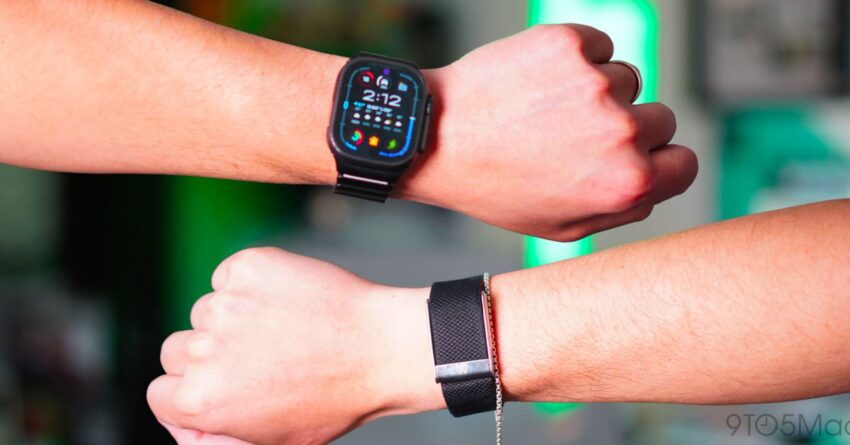
When it comes to design, both devices have their unique aesthetics. The Apple Watch Ultra 2 features a sleek, modern design with a vibrant display, customizable watch faces, and a variety of band options. It is built with durability in mind, featuring a titanium case and sapphire crystal, making it suitable for various activities, from swimming to hiking.
On the other hand, the WHOOP MG has a minimalist design, lacking a traditional watch face. Instead, it is worn as a strap that continuously collects data. This design choice allows for a lightweight and unobtrusive experience, but it may not appeal to those who prefer a more traditional watch aesthetic. The WHOOP strap is designed to be worn 24/7, making it comfortable for sleep tracking as well.
Functionality and Features
Both devices offer a range of features, but their focus areas differ significantly. The Apple Watch Ultra 2 provides a comprehensive suite of functionalities, including:
- Fitness tracking for various workouts
- Heart rate monitoring
- GPS tracking
- Sleep tracking
- Notifications for calls, messages, and apps
- Integration with Apple’s ecosystem, including Apple Music and Apple Pay
In contrast, the WHOOP MG is primarily focused on performance and recovery metrics. Its key features include:
- Heart rate variability (HRV) tracking
- Sleep performance analysis
- Strain tracking to measure daily exertion
- Recovery scores based on sleep and strain
- Insights tailored to improve performance and recovery
Fitness Tracking Capabilities
During my 60-day trial, I engaged in various physical activities, including running, cycling, and strength training, to assess the accuracy and reliability of both devices.
Apple Watch Ultra 2 Performance
The Apple Watch Ultra 2 excelled in its fitness tracking capabilities. The GPS tracking was precise, providing accurate distance and pace metrics during my runs. The heart rate monitor was responsive, allowing me to track my heart rate in real-time. The watch also provided detailed summaries of my workouts, including calories burned and exercise duration.
One of the standout features was the ability to customize workout types, which allowed me to tailor the tracking to my specific activities. The integration with the Apple Health app provided a comprehensive overview of my fitness data, making it easy to monitor my progress over time.
WHOOP MG Performance
The WHOOP MG took a different approach by focusing on overall strain and recovery rather than just workout metrics. The strain tracking feature was particularly insightful, as it quantified my daily exertion levels based on heart rate data. This allowed me to understand how my workouts impacted my overall recovery.
WHOOP’s sleep tracking was also impressive. It provided detailed insights into sleep stages, including REM and deep sleep, along with a recovery score that indicated how well-rested I was each morning. This feature encouraged me to prioritize sleep, which is often overlooked in fitness regimens.
User Experience and App Integration
User experience plays a crucial role in the effectiveness of any fitness tracker. Both devices come with companion apps that enhance their functionality.
Apple Watch App Experience
The Apple Watch app is user-friendly, offering a clean interface that makes it easy to navigate through various features. Users can customize notifications, track workouts, and view health metrics seamlessly. The integration with other Apple services, such as Apple Music and Apple Pay, adds to the overall convenience.
Additionally, the Apple Health app aggregates data from various sources, providing a holistic view of health metrics. This integration is particularly beneficial for users who own multiple Apple devices, as it creates a cohesive ecosystem for tracking health and fitness.
WHOOP App Experience
The WHOOP app, while less visually appealing than the Apple Watch app, focuses on delivering actionable insights. The dashboard provides a clear overview of daily strain, recovery, and sleep metrics. The app also offers personalized recommendations based on data trends, which can help users optimize their training and recovery.
However, the WHOOP app requires a subscription for full access to its features, which may deter some users. The subscription model is designed to provide ongoing insights and updates, but it does add an additional cost to the overall experience.
Battery Life and Charging
Battery life is a critical consideration for any wearable device, especially for those intended for continuous monitoring.
Apple Watch Ultra 2 Battery Life
The Apple Watch Ultra 2 offers a battery life of up to 36 hours, depending on usage. This duration is sufficient for most users, allowing for a full day of activity tracking without the need for frequent recharging. The device also supports fast charging, which is convenient for users on the go.
WHOOP MG Battery Life
In contrast, the WHOOP MG boasts an impressive battery life of up to five days, making it ideal for continuous wear without the hassle of daily charging. This extended battery life aligns with WHOOP’s focus on 24/7 monitoring, allowing users to track their metrics without interruption.
Price and Value Proposition
Pricing is another critical factor when comparing these two devices. The Apple Watch Ultra 2 is priced at approximately $799, reflecting its multifunctional capabilities and premium design. This price point may be justified for users seeking a comprehensive smartwatch experience.
On the other hand, the WHOOP MG operates on a subscription model, with the device itself priced around $30, but users must pay a monthly fee of $30 to access the app and its features. This model can add up over time, making it essential for potential users to consider their long-term commitment to the service.
Conclusion: Which Device is Right for You?
After 60 days of wearing both the Apple Watch Ultra 2 and the WHOOP MG, it is clear that each device serves different user needs. The Apple Watch Ultra 2 is ideal for those seeking a versatile smartwatch that combines fitness tracking with a wide range of functionalities. Its robust design, extensive app ecosystem, and user-friendly interface make it a strong contender for everyday use.
In contrast, the WHOOP MG is tailored for serious athletes and fitness enthusiasts who prioritize performance metrics and recovery insights. Its focus on strain and recovery, along with its long battery life, makes it an excellent choice for those committed to optimizing their fitness journey.
Ultimately, the decision between the two devices will depend on individual preferences, fitness goals, and budget considerations. Whether you choose the Apple Watch Ultra 2 or the WHOOP MG, both devices offer valuable insights that can enhance your fitness and wellness journey.
Source: Original report
Was this helpful?
Explore more: More Consumer Technology Tech News Blog
Last Modified: May 8, 2026 at 9:43 pm
11 views