apple s using more recycled materials in Apple has significantly increased the use of recycled materials in its latest iPhone and Apple Watch models, marking a notable step in its sustainability efforts.
apple s using more recycled materials in
Introduction to Apple’s Sustainability Initiatives
In recent years, Apple has made substantial commitments to sustainability, aiming to reduce its environmental impact and promote the use of recycled materials in its products. The tech giant has set ambitious goals, including the aspiration to have its entire supply chain and product life cycle be carbon neutral by 2030. This commitment reflects a broader trend in the technology industry, where companies are increasingly held accountable for their environmental footprint.
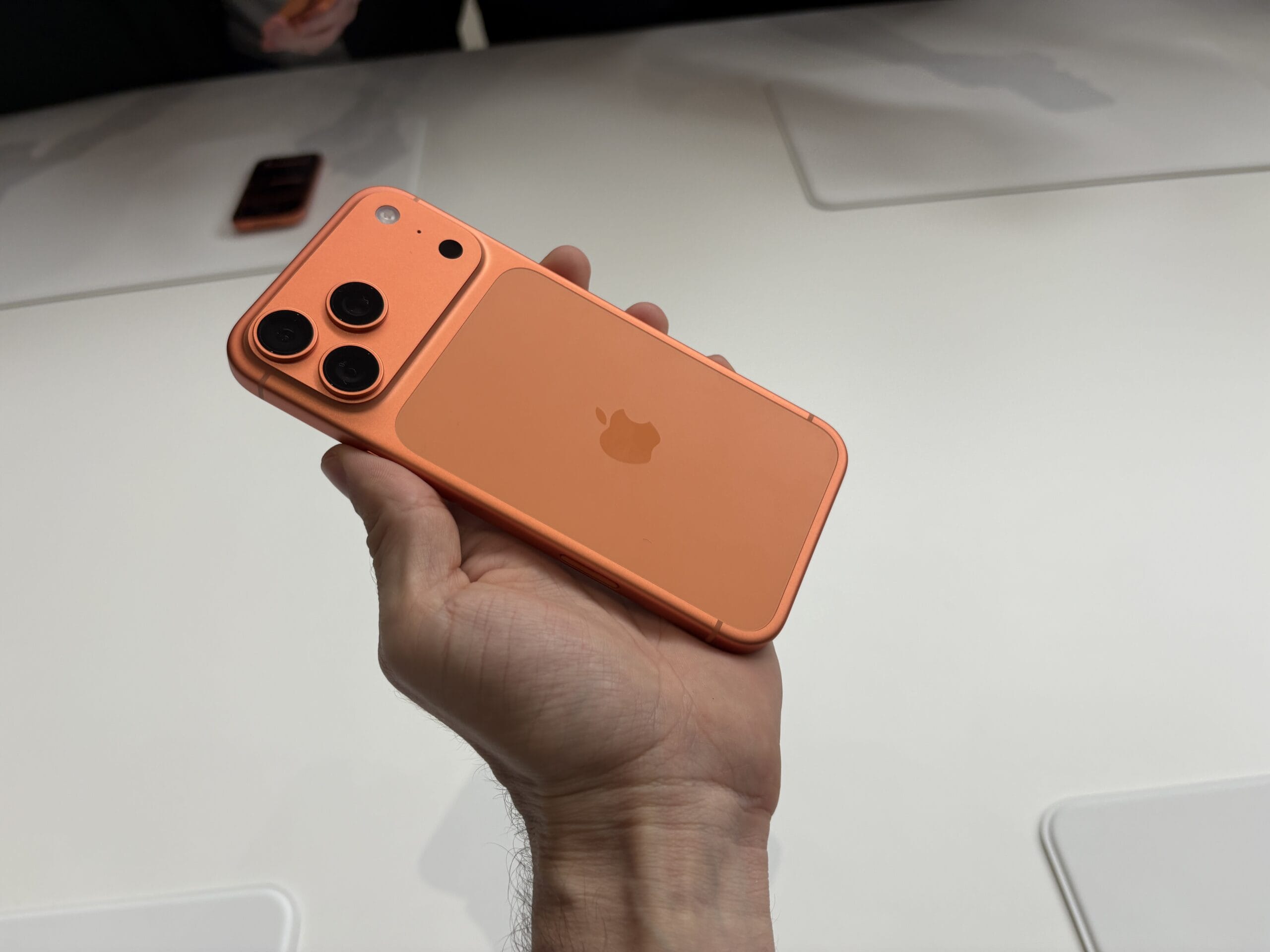
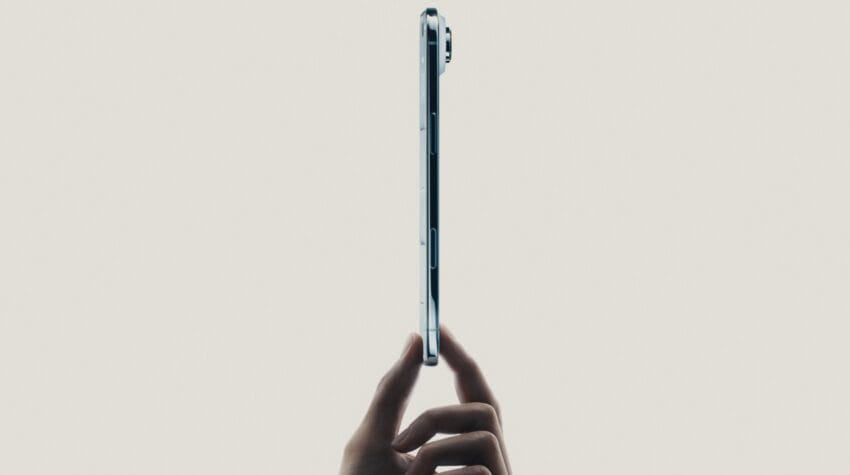
During the recent Keynote event, Apple unveiled its new iPhone Air, which features a remarkable 80 percent recycled titanium content. This marks a significant increase from previous models and highlights Apple’s ongoing efforts to incorporate more sustainable materials into its devices. Additionally, the iPhone Air is constructed with 35 percent recycled material by weight, a slight increase from the 30 percent recycled material found in the iPhone 17.
Details of the New iPhone Air
Recycled Titanium Usage
The introduction of 80 percent recycled titanium in the iPhone Air is a groundbreaking achievement for Apple. Titanium is known for its strength and lightweight properties, making it an ideal material for high-performance devices. By utilizing recycled titanium, Apple not only reduces the demand for newly mined titanium but also minimizes the environmental impact associated with its extraction and processing.
Overall Recycled Material Composition
The overall composition of the iPhone Air, with 35 percent recycled material by weight, demonstrates Apple’s commitment to sustainability. This increase from the previous model signifies a trend toward more eco-friendly manufacturing practices. The use of recycled materials not only helps reduce waste but also conserves natural resources, aligning with Apple’s goal of creating a more sustainable product lifecycle.
Advancements in Apple Watch Models
Apple’s commitment to sustainability extends beyond the iPhone Air. The latest lineup of Apple Watches, including the Apple Watch Ultra 3 and Apple Watch SE 3, also showcases higher proportions of recycled content. Both models are constructed with 40 percent recycled material, a notable increase that reflects Apple’s dedication to reducing its environmental impact.
Apple Watch Ultra 3 Features
The Apple Watch Ultra 3 is particularly noteworthy for its use of 100 percent recycled titanium in its case. This innovative approach not only reduces the environmental impact of mining new titanium but also showcases Apple’s ability to leverage advanced manufacturing techniques. The company has introduced an “innovative 3D printing process” that allows it to cut down the amount of raw materials used in the case by half compared to previous iterations. This advancement not only contributes to sustainability but also enhances the design possibilities for future products.
Apple Watch SE 3 Specifications
The Apple Watch SE 3 also emphasizes sustainability with its case made from 100 percent recycled aluminum. This aligns with Apple’s broader goal of using recycled materials in its products, further demonstrating the company’s commitment to environmental responsibility. The use of recycled aluminum not only reduces the carbon footprint associated with mining and processing new aluminum but also supports the circular economy by reintroducing materials back into the manufacturing process.
Comparative Analysis with Previous Models
To understand the significance of these advancements, it is essential to compare the new models with their predecessors. The Apple Watch Series 10, for instance, offered either 100 percent recycled aluminum or 95 percent recycled titanium. While these figures were commendable, the latest models have taken a step further by increasing the percentage of recycled materials used in their construction.
Environmental Impact of Increased Recycled Material Usage
The shift toward using more recycled materials in Apple’s products has far-reaching implications for environmental sustainability. By minimizing the need for newly mined materials, Apple can significantly reduce the pollution and environmental risks associated with mining and processing raw materials. This is particularly important given the growing concerns over the ecological impact of resource extraction, which can lead to habitat destruction, water pollution, and increased carbon emissions.
Longevity and Product Design
In addition to using recycled materials, Apple is also focusing on designing products that have greater longevity. This approach not only reduces waste but also encourages consumers to keep their devices for longer periods, further minimizing the environmental impact associated with frequent upgrades. By creating durable and sustainable products, Apple aims to foster a culture of responsible consumption among its users.
Stakeholder Reactions and Industry Implications
The announcement of increased recycled material usage in Apple’s products has garnered positive reactions from various stakeholders, including environmental organizations, consumers, and industry analysts. Many view Apple’s commitment to sustainability as a leading example for other tech companies to follow. As consumers become more environmentally conscious, companies that prioritize sustainability may gain a competitive advantage in the marketplace.
Consumer Expectations
Today’s consumers are increasingly aware of the environmental impact of their purchases. As a result, they are more likely to support brands that demonstrate a commitment to sustainability. Apple’s efforts to incorporate recycled materials into its products align with these consumer expectations, potentially enhancing brand loyalty and customer satisfaction.
Industry Standards and Competition
Apple’s advancements in sustainability may also set new industry standards. As one of the largest technology companies in the world, Apple’s practices can influence the entire supply chain, encouraging suppliers and competitors to adopt more sustainable practices. This ripple effect can lead to a broader shift toward environmental responsibility within the tech industry, ultimately benefiting the planet.
Conclusion: A Step Toward a Sustainable Future
Apple’s increased use of recycled materials in its iPhone Air and Apple Watch models represents a significant step toward a more sustainable future. By prioritizing the use of recycled titanium, aluminum, and cobalt, the company is not only reducing its environmental impact but also setting an example for others in the industry. As Apple continues to innovate and push the boundaries of sustainability, it is likely to inspire further advancements in eco-friendly practices across the technology sector.
As consumers become more discerning about the environmental implications of their purchases, Apple’s commitment to sustainability may play a crucial role in shaping the future of technology. The company’s efforts to create products with longer lifespans and increased recycled content reflect a growing awareness of the need for responsible consumption and production. In this context, Apple’s initiatives serve as a reminder of the potential for technology to contribute positively to the environment while meeting the needs of consumers.
Source: Original report
Was this helpful?
Explore more: More Hardware & Devices Tech News Blog
Last Modified: September 9, 2025 at 11:39 pm
12 views