Apple’s latest operating system cycle is a sharp reminder that older hardware has a shelf life: with watchOS 27 and iPadOS 27, the company is dropping support for a long list of devices, including several recent Apple Watch generations and a swath of older iPads. In one of the more aggressive compatibility shifts in recent years, Apple is leaving some owners behind even as it continues to support an iPhone model that first shipped in 2019.
Apple Watch support gets a major trim
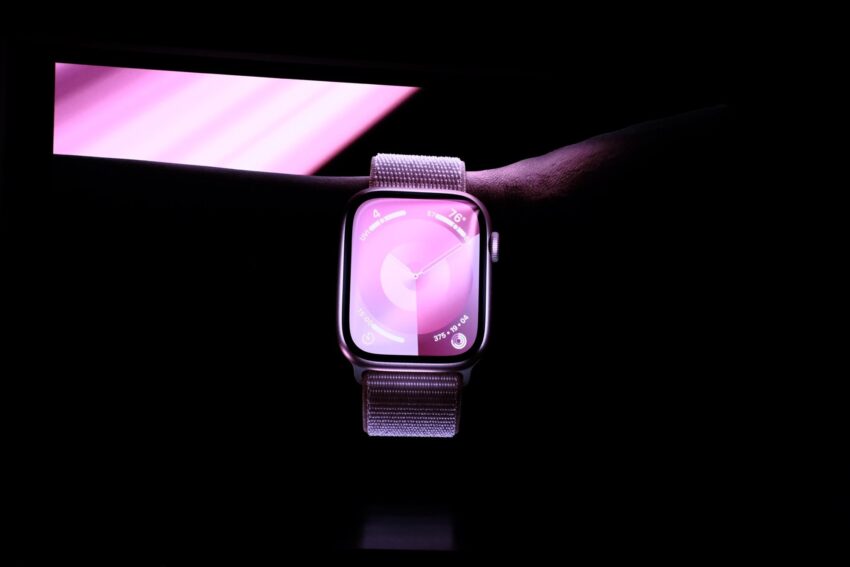
Apple is cutting support for at least three generations of Apple Watch models in watchOS 27, according to the company’s preview information and subsequent updates. Apple’s website initially indicated that the new watchOS release would only be available on Apple Watch Series 10 devices and later, Apple Watch Ultra 2 and later, and Apple Watch SE 3. Apple later revised the list to add the Apple Watch Series 9.
That still leaves a notable number of devices off the supported list. Based on the information currently available, owners of Apple Watch Series 6, Series 7, and Series 8 models do not appear to be getting watchOS 27. The Apple Watch SE (2nd generation) also appears to be excluded.
The situation is slightly less clear for the original Apple Watch Ultra. Reports have surfaced of people successfully installing the watchOS 27 developer beta on the first-generation Ultra, even though it does not appear on Apple’s published supported-device list. Apple has been asked to confirm exactly which models are supported, but the company has not yet clarified the discrepancy.
A bigger cut than many owners expected
This is a more aggressive support cutoff than Apple Watch users may be used to. watchOS 26, which arrived a year ago, supported Apple Watch Series 6 and later, Apple Watch SE (2nd generation) and later, and all Apple Watch Ultra models. That was the same support list Apple used for watchOS 11, so there had been no major change for a while.
Even if the first-generation Apple Watch Ultra ultimately remains compatible with watchOS 27, the update would still mark the end of support for the Series 6, Series 7, and Series 8, along with the second-generation Apple Watch SE. For a product category that many consumers refresh less often than their iPhone, that kind of cutoff is likely to feel abrupt.
Several older iPads are also out
Apple is making similar changes on the tablet side with iPadOS 27. The update drops support for 3rd-generation iPad Air models and 8th-generation standard iPads. For iPad Pro owners, the minimum supported hardware now appears to be a 4th-generation 12.9-inch model or later, or a 2nd-generation 11-inch model or later.
That means some older iPad owners will need to stay on previous versions of iPadOS if they want to keep using their current device. Apple routinely trims support for older tablets when new features and performance demands rise, but the list of exclusions this year is still notable for its size.
Correction clarified the Air lineup
Apple’s support documentation was updated after an earlier mix-up about which iPads would be compatible with iPadOS 27. The corrected information confirms that the 4th-generation and 5th-generation iPad Air models, including the A14 and M1 versions, are supported. The unsupported devices are the 3rd-generation iPad Air models and the 8th-generation regular iPads.
An unusual contrast with iPhone support
One of the most surprising parts of this year’s rollout is that Apple is still supporting the iPhone 11 with iOS 27 later this year. In other words, an iPhone that debuted in 2019 remains on the compatibility list while an Apple Watch from 2022 may be left behind.
That contrast has not gone unnoticed. The imbalance highlights how differently Apple treats various product lines when deciding which devices can handle its newest software features. iPhones typically get longer support windows than wearables and, in this case, even some newer Apple Watch models are facing a shorter runway than a six-year-old phone.
What the changes mean for users
For affected owners, the practical impact depends on how much they rely on newer software features. If a device is dropped from the support list, it will not receive the latest major OS update, which can mean missing out on new capabilities, design changes, security improvements, and app compatibility over time.
Users of older Apple Watches and iPads generally do not need to panic immediately, but the change does serve as a warning:
- Older Apple Watch models may no longer be eligible for the next major watchOS release.
- Some iPad Air, iPad, and iPad Pro models will also stop at the previous version of iPadOS.
- Apple’s device lists can change during beta testing, so some details may still shift before final release.
- Devices that miss out on a major update may continue to work, but they will not gain the newest features and may eventually fall further behind on software support.
Apple’s pattern of trimming older hardware
Apple has long used major OS releases to narrow compatibility, especially when new features depend on newer chips or more advanced hardware. This year’s cull stands out because it is affecting several device generations at once, particularly in the Apple Watch lineup. The fact that watchOS 27 appears to move the supported baseline to newer models than many expected suggests Apple is drawing a firmer line around what it considers capable enough for its latest software.
That may make sense from a product planning perspective, but it is likely to frustrate owners who bought their devices only a few years ago. Apple Watch users, in particular, may feel the cut more acutely because smartwatch replacement cycles are often longer than phone upgrade cycles. A watch purchased in 2022 would not normally feel old to many consumers, yet it may already be outside the window for the latest update.
For now, Apple’s published device lists remain the best guide, even as the company’s own pages have already needed a correction. The final supported-device lineup could still change before watchOS 27 and iPadOS 27 ship broadly, especially if Apple clarifies the status of the original Apple Watch Ultra. Until then, anyone running an older Watch or iPad will want to check compatibility carefully before expecting the next major update.
Source: Original report
Was this helpful?
Explore more: Mobile App Development More Mobile Technology Tech News
Last Modified: July 7, 2026 at 9:42 pm
10 views