apple can delist apps with or without In a significant legal ruling, a federal judge has upheld Apple’s right to remove the popular music streaming app Musi from its App Store, emphasizing that the tech giant can delist applications “with or without cause.” This decision marks a pivotal moment for app developers who rely on platforms like Apple’s for distribution, raising questions about the balance of power in the app ecosystem.
apple can delist apps with or without
Background on Musi
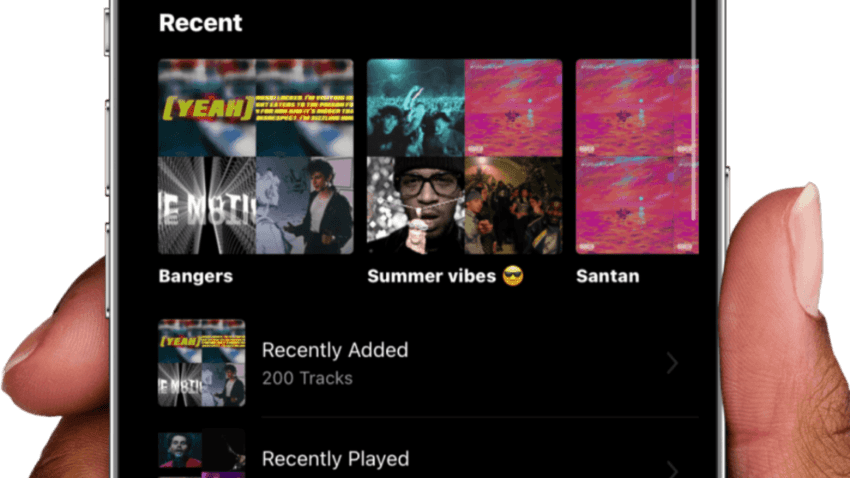
Musi is a free music streaming application that gained immense popularity, amassing tens of millions of downloads on the iPhone. The app’s primary function is to stream music by leveraging content from YouTube, which has led to both its success and controversy. Musi’s approach to music streaming involved not negotiating direct licensing agreements with copyright holders, a strategy that has drawn scrutiny from various stakeholders in the music and tech industries.
In its 2024 lawsuit against Apple, Musi argued that its app enhances the user experience by allowing users to interact with YouTube content. The company claimed that “the Musi app plays or displays content based on the user’s own interactions with YouTube and enhances the user experience via Musi’s proprietary technology.” This statement reflects Musi’s position that it was operating within the bounds of legality by utilizing YouTube’s platform to deliver music to its users.
Legal Proceedings and Ruling
The legal battle began when Apple removed Musi from its App Store in September 2024. Musi alleged that Apple’s decision was influenced by “unsubstantiated” intellectual property claims made by YouTube, suggesting that Apple acted on behalf of YouTube without sufficient justification. Furthermore, Musi contended that Apple violated its own Developer Program License Agreement (DPLA) by delisting the app.
However, the federal judge dismissed Musi’s lawsuit with prejudice, meaning that Musi cannot refile the case. The ruling included sanctions against Musi’s legal team for allegedly fabricating facts to support their claims. This aspect of the ruling underscores the court’s disapproval of the legal arguments presented by Musi and raises questions about the integrity of the claims made in the lawsuit.
Implications of the Ruling
This ruling has far-reaching implications for app developers, particularly those who operate in the music streaming space. By affirming Apple’s right to delist apps without cause, the court has reinforced the tech giant’s control over its App Store ecosystem. This decision could set a precedent for future cases involving app removals, potentially discouraging developers from pursuing legal action against large platform holders.
Moreover, the ruling raises concerns about the power dynamics between app developers and platform owners. Developers like Musi may find themselves at a disadvantage, as they rely heavily on platforms like Apple’s for visibility and distribution. The ability of a platform to remove apps at will could lead to a chilling effect, where developers may hesitate to innovate or challenge existing norms for fear of being delisted.
Stakeholder Reactions
The reaction to the ruling has been mixed among stakeholders in the tech and music industries. Advocates for app developers have expressed concern over the implications of the ruling, arguing that it could stifle innovation and limit consumer choice. They contend that the current landscape favors large tech companies, allowing them to dictate terms that may not be in the best interest of smaller developers.
On the other hand, representatives from the music industry have welcomed the ruling, viewing it as a necessary step to protect intellectual property rights. Many in the industry argue that apps like Musi undermine the revenue streams of artists and copyright holders by circumventing traditional licensing agreements. This perspective highlights the ongoing tension between technology and copyright law, as the music industry grapples with new distribution models in the digital age.
Future of Music Streaming Apps
The outcome of this case may have lasting implications for the future of music streaming apps. As the landscape continues to evolve, developers will need to navigate the complexities of copyright law and platform policies. The ruling serves as a reminder that while innovation is crucial, it must be balanced with respect for intellectual property rights.
As app developers seek to create new and engaging experiences for users, they will need to consider the legal ramifications of their business models. The Musi case illustrates the precarious position that many developers find themselves in, where the success of their app can hinge on the decisions of a single platform owner.
Conclusion
The ruling in favor of Apple marks a significant moment in the ongoing debate over app distribution and intellectual property rights. As the tech landscape continues to evolve, the balance of power between app developers and platform owners will remain a critical issue. Developers must be vigilant in understanding the legal frameworks that govern their operations while also advocating for fair treatment in the app ecosystem.
Ultimately, the Musi case serves as a cautionary tale for app developers, highlighting the challenges they face in a rapidly changing digital environment. As the industry continues to grapple with issues of copyright, distribution, and innovation, the outcomes of cases like this will shape the future of app development and the music streaming landscape.
Source: Original report
Was this helpful?
Explore more: More Big Tech & Platforms Tech News Blog
Last Modified: March 18, 2026 at 8:14 am
20 views