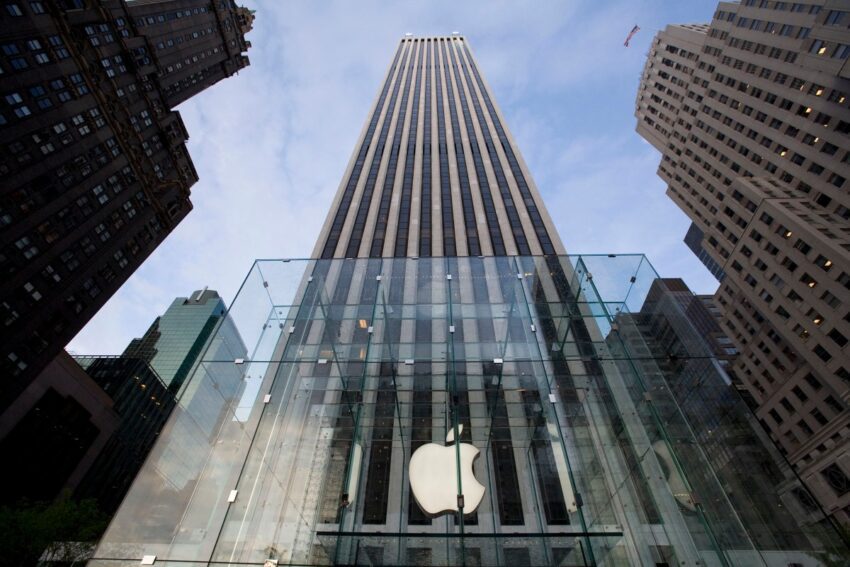
apple becomes a debt collector with its Apple has introduced a significant change in its developer agreement, allowing the company to collect any outstanding payments owed by developers at any time.
apple becomes a debt collector with its
Overview of the New Developer Agreement
In a move that has raised eyebrows within the tech community, Apple has amended its developer agreement to include provisions that enable the company to act as a debt collector. This change permits Apple to collect any money owed by developers at any time, a shift that could have far-reaching implications for the app development ecosystem.
Key Provisions of the Agreement
The updated developer agreement outlines several key provisions that developers must adhere to. Among these provisions, the most notable is the clause that grants Apple the authority to collect outstanding debts. This means that if a developer fails to pay fees associated with app distribution, subscriptions, or other services, Apple can initiate collection efforts without prior notice.
- Immediate Collection Rights: Apple can collect debts as soon as they are incurred, which could include unpaid fees for app store listings, in-app purchases, or subscription services.
- Potential Legal Action: The agreement may allow Apple to pursue legal action against developers who fail to settle their debts, further complicating the relationship between the company and its developers.
- Impact on Developer Finances: Developers may find themselves under increased financial pressure, as Apple’s ability to collect debts could lead to unexpected financial liabilities.
Background Context
This change comes at a time when the app development landscape is becoming increasingly competitive. With millions of apps available on the App Store, developers often face significant challenges in monetizing their products. The introduction of this debt collection clause raises questions about the balance of power between Apple and developers.
The App Store Ecosystem
The App Store has long been a lucrative platform for developers, but it also comes with its own set of challenges. Developers are required to pay a commission on sales, which can range from 15% to 30%, depending on the nature of the app and its revenue model. This commission structure has been a point of contention, leading to legal battles and public outcry from developers who feel that the fees are excessive.
By allowing itself to collect debts directly, Apple is positioning itself as a more aggressive player in the app ecosystem. This could lead to a shift in how developers manage their finances, as they may need to account for potential debt collection efforts in their budgeting and financial planning.
Implications for Developers
The implications of this new agreement are significant for developers, particularly smaller ones who may already be operating on thin margins. The ability for Apple to collect debts at any time could create a precarious financial situation for many developers.
Financial Pressure on Small Developers
Small developers often rely on a steady cash flow to sustain their operations. The introduction of immediate debt collection rights could disrupt this flow, leading to potential cash shortages. Developers may find themselves in a position where they need to prioritize payments to Apple over other operational expenses, such as employee salaries or marketing costs.
Potential for Increased Litigation
As Apple gains the ability to pursue legal action against developers for unpaid debts, the risk of litigation may increase. Developers who are unable to meet their financial obligations may find themselves facing lawsuits, which could further strain their resources. This could lead to a chilling effect on innovation, as developers may be less willing to take risks on new projects if they fear financial repercussions.
Reactions from the Developer Community
The developer community has responded with a mix of concern and skepticism regarding Apple’s new debt collection policy. Many developers are voicing their apprehensions about the potential for abuse of power and the impact on their businesses.
Concerns About Fairness
Critics argue that the new agreement disproportionately favors Apple and undermines the relationship between the company and its developers. Many developers feel that the ability for Apple to collect debts at any time is an overreach that could lead to unfair treatment of smaller developers.
One developer, who wished to remain anonymous, expressed concern about the implications of the new policy, stating, “This feels like a power grab. Smaller developers are already struggling to make ends meet, and this just adds another layer of stress.”
Calls for Transparency
In light of these changes, there are increasing calls for greater transparency from Apple regarding its debt collection practices. Developers are advocating for clearer guidelines on how debts will be collected and what recourse they have if they are unable to pay.
Some industry experts suggest that Apple should implement a more structured approach to debt collection, including grace periods or payment plans for developers facing financial difficulties. This could help mitigate the financial strain on developers while still allowing Apple to collect owed fees.
Broader Industry Implications
The introduction of debt collection rights is not just a concern for developers; it also has broader implications for the tech industry as a whole. As Apple sets this precedent, other tech companies may follow suit, leading to a shift in how developers interact with platforms.
Potential for Industry-Wide Changes
If other companies adopt similar debt collection practices, the landscape for app developers could become increasingly hostile. Developers may find themselves navigating a complex web of financial obligations across multiple platforms, making it more challenging to sustain their businesses.
This could also lead to a consolidation of power among larger tech companies, as smaller developers may struggle to compete in an environment where financial pressures are heightened. The risk of litigation and debt collection could deter new entrants into the market, stifling innovation and diversity in app development.
Conclusion
Apple’s new developer agreement marks a significant shift in the relationship between the tech giant and its developers. By granting itself the authority to collect debts at any time, Apple is positioning itself as a more aggressive player in the app ecosystem. While this move may benefit Apple in the short term, it raises important questions about fairness, transparency, and the long-term sustainability of the app development industry.
As the developer community grapples with these changes, it remains to be seen how this will impact the future of app development and the broader tech landscape. Developers will need to adapt to this new reality, and the industry as a whole may need to reconsider its approach to financial obligations and relationships with platform providers.
Source: Original report
Was this helpful?
Explore more: More Big Tech & Platforms Tech News Blog
Last Modified: December 19, 2025 at 11:51 am
28 views