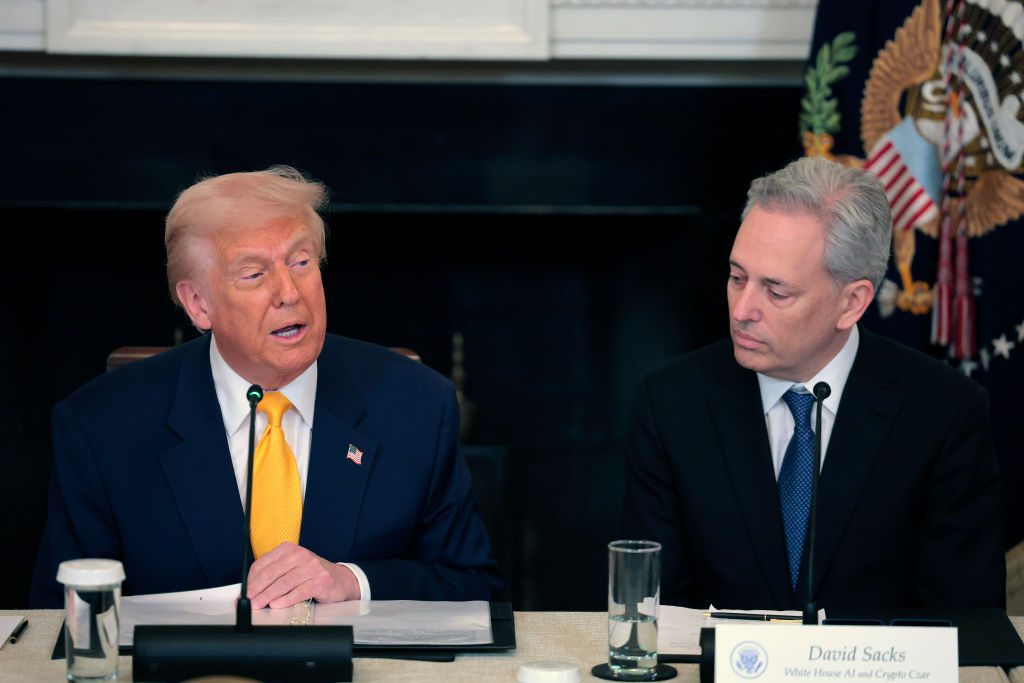
anthropic wins injunction against trump administration over A federal judge has ordered the Trump administration to rescind recent restrictions it placed on the AI company Anthropic, marking a significant legal victory for the tech firm amid ongoing debates about the regulation of artificial intelligence.
anthropic wins injunction against trump administration over
Background of the Case
The legal battle between Anthropic and the Trump administration has been unfolding against a backdrop of increasing scrutiny on artificial intelligence technologies. Founded in 2020 by former OpenAI researchers, Anthropic has quickly established itself as a key player in the AI landscape, focusing on developing safe and beneficial AI systems. The company’s mission is to create AI that aligns with human intentions, a goal that has garnered attention from both investors and regulatory bodies.
In recent years, the rapid advancement of AI technologies has raised concerns about their potential misuse, ethical implications, and impact on society. As a result, governments around the world, including the United States, have begun to consider regulatory frameworks to manage the development and deployment of AI. The Trump administration’s restrictions on Anthropic were part of a broader effort to impose stricter controls on AI research and applications, particularly those that could be utilized in defense and military contexts.
The Injunction Details
The federal judge’s ruling came after Anthropic filed a lawsuit challenging the legality of the restrictions imposed by the Trump administration. The company argued that the limitations were overly broad and stifled innovation in the AI sector. The judge’s decision to grant the injunction effectively blocks the administration from enforcing these restrictions while the case is being litigated.
Legal Arguments
Anthropic’s legal team presented several key arguments in favor of the injunction:
- First Amendment Rights: The company contended that the restrictions violated its First Amendment rights by limiting its ability to communicate and collaborate with other researchers and organizations.
- Innovation Stifling: Anthropic argued that the restrictions would hinder its ability to innovate and develop new technologies, ultimately harming not only the company but also the broader AI ecosystem.
- Lack of Justification: The administration’s rationale for the restrictions was deemed insufficient and lacking in empirical support, according to Anthropic’s legal representatives.
The judge appeared to agree with these points, noting that the restrictions could have a chilling effect on free speech and innovation in the tech industry. The ruling has been hailed as a victory not only for Anthropic but also for the broader tech community, which has been advocating for a balanced approach to AI regulation that does not stifle innovation.
Implications of the Ruling
The injunction has several far-reaching implications for both Anthropic and the AI industry as a whole. As the legal proceedings continue, the ruling may set a precedent for how governments regulate emerging technologies, particularly those that intersect with national security interests.
Impact on AI Regulation
The decision underscores the need for a nuanced approach to AI regulation that considers both the potential risks and benefits of these technologies. As AI continues to evolve, regulators will need to strike a balance between ensuring public safety and fostering innovation. The ruling may encourage other tech firms to challenge restrictive regulations that they believe are unjustified or overly broad.
Reactions from Stakeholders
Reactions to the ruling have been mixed, reflecting the complex landscape of AI regulation. Supporters of Anthropic have praised the decision as a victory for innovation and free speech. Many in the tech community view the ruling as a necessary pushback against overreach by the government.
Conversely, some policymakers and industry experts have expressed concerns about the implications of the ruling. They argue that without appropriate regulation, the rapid development of AI technologies could lead to unintended consequences, including ethical dilemmas and security risks. The debate over the appropriate level of regulation is likely to continue, with stakeholders on both sides advocating for their positions.
The Future of Anthropic
As a result of the injunction, Anthropic is now in a stronger position to continue its research and development efforts without the constraints imposed by the Trump administration. The company has ambitious plans for the future, including the development of advanced AI systems that prioritize safety and ethical considerations.
Strategic Goals
Anthropic’s leadership has outlined several strategic goals that they aim to pursue in the coming years:
- Advancing AI Safety: The company is committed to developing AI systems that are not only powerful but also safe and aligned with human values.
- Collaborative Research: Anthropic aims to foster collaboration with other organizations and researchers to promote the responsible development of AI technologies.
- Public Engagement: The company plans to engage with policymakers and the public to advocate for balanced AI regulations that support innovation while addressing safety concerns.
These goals reflect Anthropic’s commitment to being a responsible player in the AI space, and the recent legal victory may bolster its efforts to achieve them.
Broader Context of AI Regulation
The ruling comes at a time when the conversation around AI regulation is intensifying globally. Various countries are grappling with how to manage the rapid advancements in AI technology while ensuring public safety and ethical standards. The European Union, for example, has been working on comprehensive legislation aimed at regulating AI, which includes provisions for transparency, accountability, and human oversight.
In the United States, the regulatory landscape is still evolving, with various agencies exploring how to approach AI governance. The recent ruling against the Trump administration’s restrictions may influence future regulatory efforts, highlighting the importance of engaging with industry stakeholders to create effective and balanced policies.
International Perspectives
Internationally, the debate over AI regulation is also gaining momentum. Countries like China and Canada are developing their own frameworks for AI governance, each reflecting their unique political, economic, and social contexts. The differences in regulatory approaches highlight the challenges of creating a cohesive global strategy for AI, as nations navigate their interests while considering the implications of AI technologies.
Conclusion
The federal judge’s injunction against the Trump administration’s restrictions on Anthropic represents a significant moment in the ongoing dialogue about AI regulation. As the case unfolds, it will be crucial for stakeholders to engage in constructive discussions about how to balance innovation with safety and ethical considerations. The outcome of this legal battle could have lasting implications for the future of AI development, influencing not only Anthropic but also the broader tech industry and regulatory landscape.
Source: Original report
Was this helpful?
Explore more: AI Automation Services More AI & Automation Tech News
Last Modified: March 27, 2026 at 6:40 am
19 views