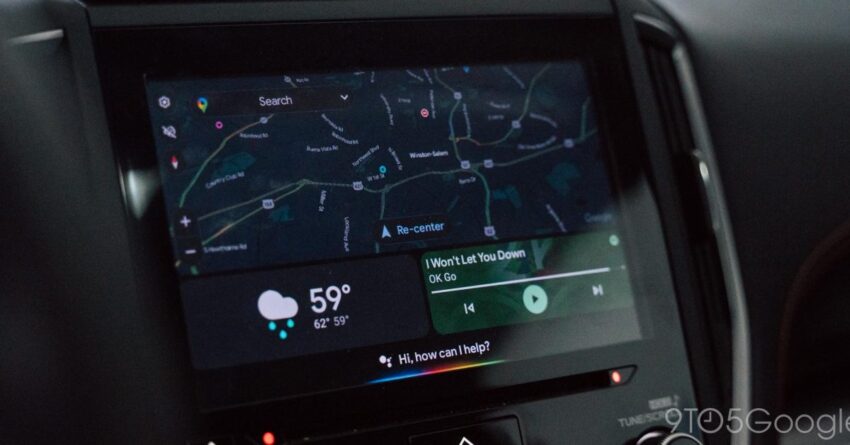
android auto users are frustrated by a Android Auto users are expressing growing frustration as the rollout of the Gemini update negatively impacts the performance of Google Assistant.
android auto users are frustrated by a
The Shift to Gemini
As Google shifts its focus to the Gemini project, a new AI initiative aimed at enhancing its suite of services, many users are experiencing a decline in the performance of Google Assistant, particularly within the Android Auto ecosystem. Gemini is designed to integrate advanced AI capabilities into various Google products, but the transition has not been smooth for all users. The rollout has raised concerns about the reliability and functionality of Google Assistant, which is a critical feature for Android Auto users who rely on voice commands for navigation, communication, and entertainment while driving.
The Importance of Google Assistant in Android Auto
Google Assistant serves as a vital tool for Android Auto users, providing hands-free control over numerous functions. This includes:
- Navigation assistance through Google Maps
- Making phone calls and sending messages
- Controlling music and media playback
- Accessing information and answering queries
For many drivers, the ability to interact with their devices without taking their hands off the wheel or their eyes off the road is not just a convenience; it is a safety feature. Therefore, any degradation in the performance of Google Assistant can have significant implications for user experience and safety.
Current Issues with Google Assistant
Reports from users indicate that the performance of Google Assistant has noticeably declined during the Gemini rollout. Common issues include:
- Increased response times, leading to delays in executing commands
- Frequent misunderstandings of voice commands, resulting in incorrect actions
- Inconsistent functionality, where features that previously worked seamlessly are now unreliable
- Crashes or failures to respond altogether
These problems have led to significant frustration among users, many of whom have taken to online forums and social media to express their dissatisfaction. The sentiment is that the transition to Gemini has come at the cost of a reliable Google Assistant experience.
User Reactions
The feedback from the Android Auto community has been overwhelmingly negative. Users have reported that the assistant, which was once a reliable companion on the road, has become a source of annoyance. One user noted, “I used to rely on Google Assistant for everything while driving. Now, it feels like I’m talking to a brick wall.” This sentiment is echoed by many others who have shared similar experiences.
Another user expressed concern about the safety implications of the assistant’s declining performance, stating, “If I can’t trust Google Assistant to understand my commands, I’m less likely to use it, which defeats the purpose of having it in the first place.” This highlights a critical issue: the potential for increased distraction if drivers are forced to manually operate their devices due to unreliable voice commands.
Implications of the Gemini Rollout
The ongoing issues with Google Assistant are not just a matter of user inconvenience; they also have broader implications for Google as a company. The Gemini project represents a significant investment in AI technology, and its success is crucial for maintaining Google’s competitive edge in the tech industry. However, if the rollout continues to negatively impact user experience, it could lead to a loss of trust in Google’s products.
Impact on User Trust
Trust is a vital component of user engagement, especially in the tech industry. Users expect that updates will enhance their experience rather than detract from it. As frustrations mount, there is a risk that users may begin to seek alternatives to Google services. This could lead to a decline in user engagement across the Android Auto platform and beyond.
Moreover, the negative feedback could influence potential customers who are considering adopting Android Auto or Google Assistant. If prospective users perceive that the technology is unreliable, they may opt for competing products that promise better performance and reliability.
Google’s Response
As of now, Google has not publicly addressed the specific issues related to Google Assistant’s performance during the Gemini rollout. However, the company typically monitors user feedback and may take steps to rectify the situation. Historically, Google has been responsive to user concerns, often releasing updates and patches to address performance issues.
The Role of User Feedback
User feedback plays a crucial role in shaping the development of technology. Companies like Google rely on insights from their user base to identify problems and prioritize fixes. In this case, the vocal dissatisfaction from Android Auto users could prompt Google to expedite solutions for the issues plaguing Google Assistant.
Additionally, Google may consider implementing a beta testing phase for future updates, allowing users to provide feedback before a full rollout. This could help mitigate issues and ensure that new features enhance rather than hinder user experience.
Looking Ahead: The Future of Google Assistant and Android Auto
As the Gemini rollout continues, the future of Google Assistant and its integration with Android Auto remains uncertain. Users are hopeful that Google will address the current issues and restore the functionality that they have come to rely on. The success of Gemini could hinge on how effectively Google manages this transition and responds to user concerns.
Potential Enhancements
While the current state of Google Assistant is concerning, there is potential for future enhancements. The Gemini project aims to leverage advanced AI capabilities, which could lead to improvements in voice recognition, natural language processing, and overall responsiveness. If executed well, these enhancements could significantly improve the user experience for Android Auto users.
Moreover, as AI technology continues to evolve, there may be opportunities for Google to introduce new features that enhance the functionality of Google Assistant in the automotive context. For example, integrating more contextual awareness could allow the assistant to provide more relevant information based on the user’s location and driving habits.
Conclusion
The ongoing issues with Google Assistant during the Gemini rollout have left many Android Auto users frustrated and concerned about the future of their driving experience. As Google navigates this transition, it is crucial for the company to prioritize user feedback and address the performance issues that have arisen. The success of the Gemini project will not only impact Google Assistant but also the broader perception of Google’s commitment to delivering reliable and innovative technology.
In the coming months, users will be watching closely to see how Google responds to these challenges and whether the promised enhancements of the Gemini project will ultimately lead to a better experience for Android Auto users.
Source: Original report
Was this helpful?
Explore more: AI Automation Services More AI & Automation Tech News
Last Modified: January 14, 2026 at 5:47 am
31 views