america s greatest idea is still under The recent 250th anniversary of the United States serves as a reminder of both the nation’s achievements and the ongoing challenges to its foundational principles.
america s greatest idea is still under
Celebrating 250 Years of Independence
On July 4, 2026, the United States marked its 250th anniversary, a significant milestone that drew celebrations across the nation and beyond. The festivities included spectacular fireworks displays, parades, and various public events that highlighted the country’s rich history and cultural diversity. Major cities like New York and Washington, D.C., became focal points for these celebrations, showcasing the nation’s pride and unity.
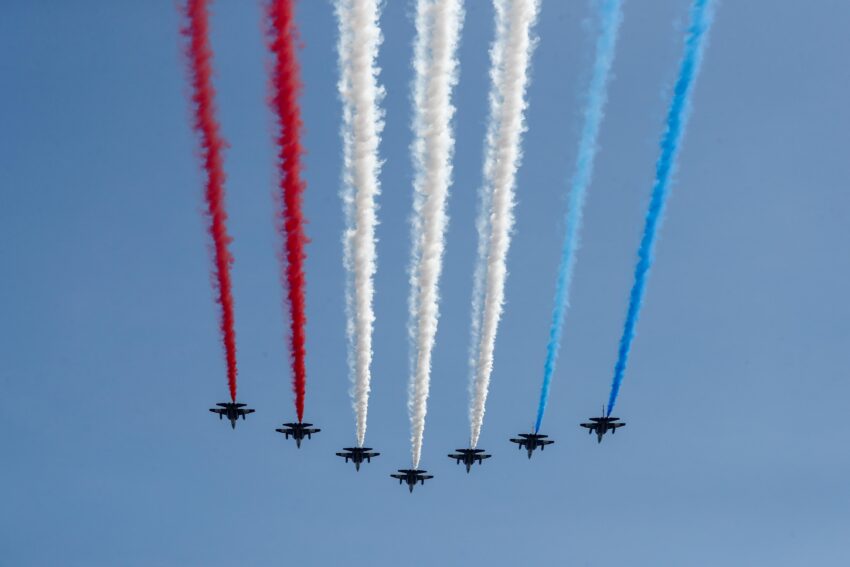
In New York City, the Patrouille de France, the French Air Force’s aerobatic team, performed a stunning flyover during the Sail4th 250 Tall Ships Parade along the Hudson River. The jets trailed red, white, and blue smoke, symbolizing the enduring friendship between the United States and France, the first country to recognize American independence. This display not only celebrated the historical ties between the two nations but also served as a reminder of the shared values of liberty and democracy.
The Paradox of Celebration and Division
However, amid the celebrations, the nation faced stark reminders of its ongoing struggles with division and extremism. A troubling display of white nationalism occurred in the nation’s capital, overshadowing the festivities and highlighting the paradoxes that have long characterized American society. The juxtaposition of patriotic celebrations with the presence of hate groups serves as a potent reminder that the ideals of freedom and equality have not been fully realized for all citizens.
This duality is not new; the United States has always been a nation of contradictions. The Declaration of Independence, signed in 1776, was a radical document that proclaimed the inherent rights of individuals while simultaneously allowing for the institution of slavery. This historical inconsistency continues to resonate today, as the nation grapples with issues of race, inequality, and social justice.
The Declaration of Independence: A Radical Document
The Declaration of Independence is often celebrated as one of the most important texts in American history. It articulated the principles of individual liberty and the right to self-governance, asserting that “all men are created equal.” Yet, the reality of American society at the time was far from this ideal. The founding fathers, many of whom were slave owners, created a nation that excluded large segments of the population from the rights and freedoms they espoused.
This contradiction has led to ongoing debates about the true meaning of freedom and equality in America. The struggle for civil rights, women’s suffrage, and LGBTQ+ rights has been a testament to the nation’s evolving understanding of these principles. Each movement has sought to expand the definition of who is included in the promise of the American Dream, highlighting the ongoing work required to fulfill the ideals set forth in the Declaration.
Current Threats to Free Speech
As the nation reflects on its 250-year history, concerns about the state of free speech have emerged as a pressing issue. The First Amendment, which guarantees the right to free expression, is facing challenges from various fronts. Recent events have raised questions about the limits of free speech and the responsibilities that come with it.
Political Polarization and Censorship
Political polarization has intensified in recent years, leading to an environment where differing opinions are often met with hostility. This climate has resulted in calls for censorship and the suppression of certain viewpoints, particularly on social media platforms. The rise of “cancel culture” has sparked debates about the balance between protecting individuals from hate speech and preserving the right to express unpopular opinions.
Critics argue that attempts to silence dissenting voices undermine the very foundation of democracy. In a healthy democratic society, the exchange of ideas, even those that are controversial or offensive, is essential for progress and understanding. The challenge lies in finding a way to foster open dialogue while also protecting marginalized communities from harm.
Legislative Responses and Implications
In response to these challenges, some lawmakers have proposed legislation aimed at protecting free speech rights. However, these proposals often come with their own set of complications. For instance, laws designed to prevent censorship can inadvertently lead to the spread of misinformation and hate speech. Striking the right balance between protecting free expression and ensuring public safety is a complex issue that requires careful consideration.
Moreover, the role of technology companies in moderating content has come under scrutiny. As platforms like Facebook, Twitter, and YouTube grapple with the responsibility of curating user-generated content, they face criticism from both sides of the political spectrum. While some argue that these companies should take a more active role in combating hate speech, others contend that such actions infringe upon free speech rights.
Public Reactions and the Path Forward
The public’s reaction to these issues has been mixed. Many Americans express concern about the erosion of free speech and the rise of censorship, while others advocate for stronger measures to combat hate speech and misinformation. This divide reflects broader societal tensions and underscores the need for constructive dialogue on these critical issues.
As the nation moves forward, it is essential to engage in conversations about the meaning of free speech in a diverse society. Educational initiatives that promote media literacy and critical thinking can empower individuals to navigate the complexities of modern communication. Furthermore, fostering environments where differing viewpoints can be discussed respectfully is vital for healing divisions and building a more inclusive society.
Commemorating the Past, Shaping the Future
The 250th anniversary of the United States serves as both a celebration of the nation’s achievements and a call to action for its future. As citizens reflect on the ideals of freedom and equality, it is crucial to recognize the work that remains to be done. The ongoing struggle for civil rights, social justice, and the protection of free speech is a testament to the resilience of the American spirit.
Looking ahead, the nation must confront its paradoxes and strive to create a society where the principles enshrined in the Declaration of Independence are fully realized for all. This requires a commitment to inclusivity, understanding, and the recognition that the fight for freedom is an ongoing journey, not a destination.
Conclusion
As the United States embarks on its next 250 years, the lessons of the past must inform the path forward. The celebration of independence should not only be a moment of pride but also a reminder of the work that lies ahead. By addressing the challenges to free speech and fostering a culture of open dialogue, the nation can honor its founding principles while striving to create a more equitable and just society for all its citizens.
Source: Original report
Was this helpful?
Explore more: More General Technology Tech News Blog
Last Modified: July 7, 2026 at 1:37 am
11 views