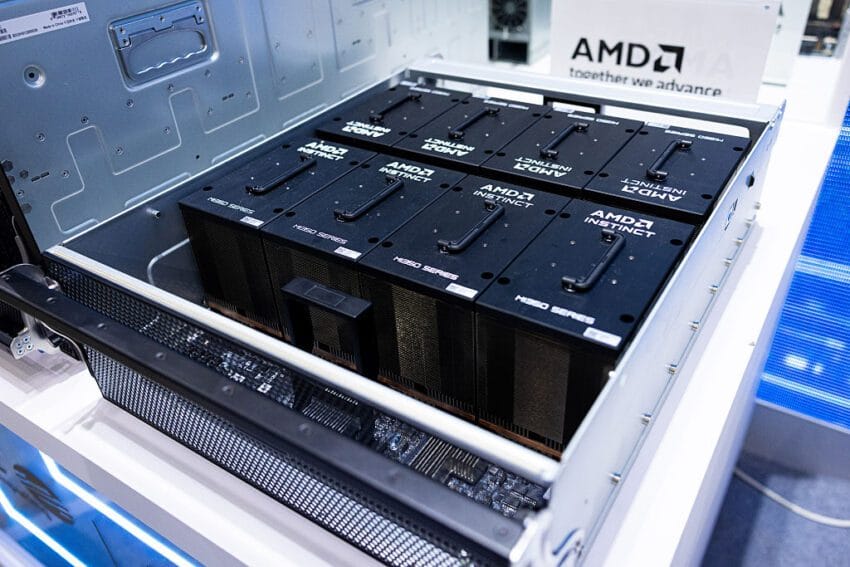
amd to supply 6gw of compute capacity AMD has entered into a significant multi-year chip supply agreement with OpenAI, a deal projected to generate tens of billions in revenue for the semiconductor giant while bolstering its presence in the rapidly evolving AI landscape.
amd to supply 6gw of compute capacity
Overview of the Deal
The partnership between AMD and OpenAI marks a pivotal moment in the technology sector, particularly in the realm of artificial intelligence. Under the terms of the agreement, AMD will supply OpenAI with 6 gigawatts (GW) of compute capacity, a substantial commitment that underscores the growing demand for advanced computing power in AI applications. This deal is expected to not only enhance OpenAI’s capabilities but also significantly contribute to AMD’s revenue stream over the coming years.
Significance of Compute Capacity
Compute capacity is a critical factor in the performance of AI models, which require immense processing power to train and operate effectively. The 6GW of compute capacity provided by AMD will enable OpenAI to scale its operations and improve the efficiency of its AI models. This is particularly important as the demand for AI solutions continues to surge across various industries, including healthcare, finance, and technology.
OpenAI’s advancements in natural language processing, computer vision, and reinforcement learning have already made significant impacts, and this partnership will likely accelerate those developments. By leveraging AMD’s cutting-edge technology, OpenAI aims to enhance its offerings and maintain its competitive edge in the AI market.
AMD’s Strategic Positioning in the AI Market
AMD’s collaboration with OpenAI aligns with the company’s broader strategy to strengthen its foothold in the AI sector. As AI technologies become increasingly integral to business operations and consumer products, semiconductor companies are vying for partnerships with leading AI firms to capitalize on this growth.
Financial Implications for AMD
The financial implications of this deal are substantial. Analysts predict that the partnership could generate tens of billions in revenue for AMD over the duration of the contract. This influx of revenue is crucial for AMD, which has been competing against larger rivals like NVIDIA and Intel in the AI chip market.
AMD’s ability to secure such a lucrative deal with OpenAI not only reflects its technological capabilities but also its strategic foresight in recognizing the potential of AI. The revenue generated from this partnership could be reinvested into research and development, allowing AMD to further innovate and enhance its product offerings.
Technological Advancements and Innovations
The partnership is expected to drive technological advancements in both companies. AMD has been at the forefront of developing high-performance computing solutions, and its collaboration with OpenAI will likely lead to innovations that benefit the broader AI ecosystem.
AMD’s Product Portfolio
AMD’s product portfolio includes a range of processors and graphics cards designed for high-performance computing. The company’s EPYC processors and Radeon graphics cards are particularly well-suited for AI workloads, offering the performance and efficiency needed to handle complex computations.
By supplying OpenAI with these advanced technologies, AMD is positioning itself as a leader in the AI hardware space. This partnership could also pave the way for new product developments tailored specifically for AI applications, further solidifying AMD’s role in this burgeoning market.
OpenAI’s Growth and Future Prospects
OpenAI has experienced rapid growth since its inception, driven by its commitment to advancing artificial intelligence in a safe and beneficial manner. The organization’s focus on developing cutting-edge AI technologies has attracted significant attention and investment, positioning it as a key player in the industry.
Implications for OpenAI’s Research and Development
The additional compute capacity from AMD will enable OpenAI to expand its research and development efforts. With more resources at its disposal, OpenAI can explore new AI models, enhance existing technologies, and conduct more extensive experiments. This could lead to breakthroughs in areas such as machine learning, natural language understanding, and robotics.
Furthermore, the partnership may allow OpenAI to accelerate the deployment of its AI solutions across various sectors, enhancing its ability to address real-world challenges. As AI continues to permeate different industries, OpenAI’s advancements could have far-reaching implications for society as a whole.
Market Reactions and Industry Impact
The announcement of the AMD-OpenAI partnership has elicited a range of reactions from industry stakeholders. Investors and analysts have expressed optimism about the potential revenue growth for AMD, viewing the deal as a strategic move that could enhance the company’s market position.
Investor Sentiment
Following the announcement, AMD’s stock experienced a notable uptick, reflecting investor confidence in the company’s future prospects. The deal is seen as a validation of AMD’s technological capabilities and its ability to compete effectively in the AI market.
Moreover, the partnership is expected to influence the competitive landscape of the semiconductor industry. As AMD strengthens its position, other companies may seek similar collaborations with AI firms to remain relevant in the evolving market.
Challenges and Considerations
While the partnership presents numerous opportunities, it also comes with challenges and considerations. The semiconductor industry is characterized by rapid technological advancements and intense competition, which can create uncertainties for companies involved.
Supply Chain Dynamics
The global semiconductor supply chain has faced disruptions in recent years due to various factors, including the COVID-19 pandemic and geopolitical tensions. AMD will need to navigate these challenges to ensure a steady supply of chips for OpenAI.
Additionally, as demand for AI solutions continues to grow, AMD must be prepared to scale its production capabilities to meet the needs of OpenAI and other potential clients. This may require significant investments in manufacturing and logistics.
Future Prospects for AI and Semiconductor Industries
The AMD-OpenAI partnership is indicative of broader trends in the AI and semiconductor industries. As AI technologies become increasingly integrated into everyday life, the demand for advanced computing power will only intensify. This presents significant opportunities for semiconductor companies to innovate and develop new solutions tailored to the needs of AI applications.
Long-Term Implications
In the long term, the collaboration between AMD and OpenAI could set a precedent for future partnerships between semiconductor firms and AI organizations. As the AI landscape continues to evolve, companies will need to work together to address the challenges and opportunities that arise.
Furthermore, the advancements resulting from this partnership could have far-reaching implications for various sectors, including healthcare, finance, and transportation. As AI technologies become more sophisticated, they will likely transform how businesses operate and how individuals interact with technology.
Conclusion
The multi-year chip supply agreement between AMD and OpenAI represents a significant development in the technology sector, with the potential to reshape the landscape of artificial intelligence and semiconductor industries. As both companies leverage their strengths to drive innovation, the implications of this partnership will be felt across various sectors, paving the way for a future where AI plays an increasingly integral role in our lives.
Source: Original report
Was this helpful?
Explore more: AI Automation Services More AI & Automation Tech News
Last Modified: October 6, 2025 at 6:37 pm
8 views