airdropping stuff from a pixel phone rules A new feature enabling AirDrop-like functionality on Google Pixel devices has been introduced, allowing seamless file sharing between Pixel phones and Apple products.
airdropping stuff from a pixel phone rules
Introduction to the New Feature
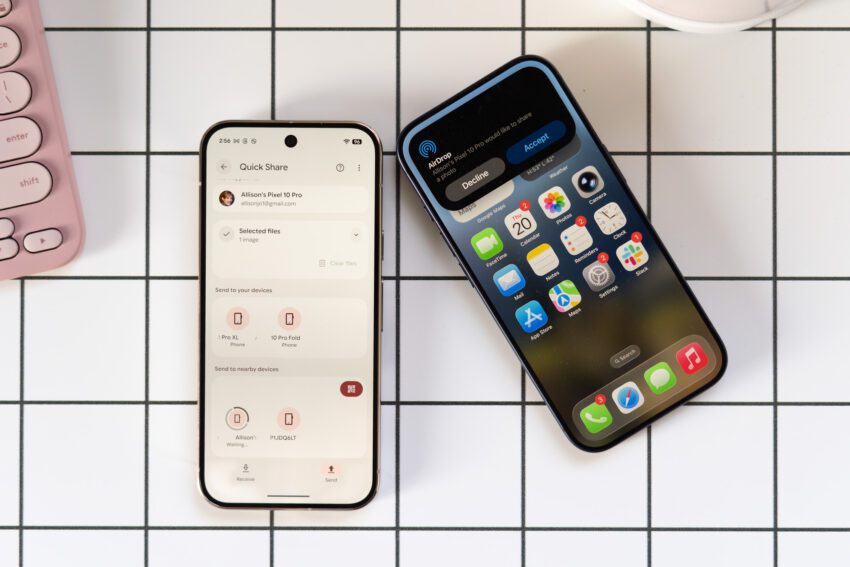
In a surprising announcement, Google has unveiled a new feature that brings AirDrop interoperability to its Pixel 10 series, specifically the Pixel 10 Pro and 10 Pro XL. This development marks a significant step in enhancing cross-platform compatibility, allowing users to share files effortlessly between Pixel devices and Apple products such as iPads, MacBooks, and iPhones. This feature, dubbed “Quick Share,” is a testament to Google’s commitment to improving user experience and fostering connectivity among different ecosystems.
Understanding AirDrop and Its Significance
AirDrop, Apple’s proprietary file-sharing technology, has long been a hallmark of the Apple ecosystem. It allows users to share photos, documents, and other files wirelessly with nearby Apple devices. The technology utilizes Bluetooth for discovery and Wi-Fi for data transfer, making it fast and efficient. However, its exclusivity to Apple products has often left users of other platforms feeling left out.
With the introduction of Quick Share, Google is not only bridging this gap but also enhancing the functionality of its devices. This move is particularly significant given the increasing number of users who own devices from multiple brands. The ability to share files seamlessly across platforms can enhance productivity and improve the overall user experience.
The Rollout of Quick Share
Following the announcement, Google initiated an update that enabled the Quick Share feature. Initially available for the Pixel 10 Pro and 10 Pro XL, the rollout was swift, allowing users to experience the new functionality almost immediately. This rapid deployment is indicative of Google’s agile approach to software updates, ensuring that users can access new features without lengthy wait times.
Initial Experience with Quick Share
Upon receiving the update, users reported a few initial snags, which is not uncommon with new features. However, once these minor issues were resolved, the experience of using Quick Share proved to be overwhelmingly positive. Users found themselves effortlessly sharing files with nearby Apple devices, marking a significant improvement in cross-platform interactions.
For instance, sending photos from a Pixel phone to an iPhone was as simple as selecting the recipient from a list of nearby devices. The process was intuitive and mirrored the ease of use that AirDrop users have come to expect. This seamless integration not only enhances the functionality of Pixel devices but also encourages users to engage more with their devices, knowing that sharing content is no longer a hassle.
Technical Aspects of Quick Share
Quick Share operates on a similar principle to AirDrop, utilizing Bluetooth for device discovery and Wi-Fi for file transfer. This dual approach ensures that the transfer is both quick and efficient, minimizing the time it takes to share files. The technology behind Quick Share is designed to be user-friendly, allowing even those who are not tech-savvy to navigate the sharing process with ease.
Moreover, Quick Share is built with security in mind. Users can choose to share files with specific devices, ensuring that sensitive information is not inadvertently shared with unintended recipients. This level of control is crucial in today’s digital landscape, where privacy concerns are paramount.
Implications for Users and Stakeholders
The introduction of Quick Share has several implications for users and stakeholders alike. For consumers, the ability to share files across platforms enhances the overall utility of their devices. This feature is particularly beneficial for those who own both Pixel and Apple devices, as it simplifies the process of sharing content between different ecosystems.
From a business perspective, this move could encourage more users to consider Pixel devices, knowing that they can easily interact with their existing Apple products. This interoperability could lead to increased sales for Google, as users may be more inclined to invest in Pixel devices if they perceive them as compatible with their current technology.
Reactions from the Tech Community
The tech community has responded positively to the announcement of Quick Share. Many experts view this development as a significant step towards greater interoperability in the tech industry. The ability for devices from different manufacturers to communicate effectively is seen as a win for consumers, who benefit from increased flexibility and convenience.
Some analysts have pointed out that this move could pressure other manufacturers to adopt similar interoperability features. As consumers increasingly demand seamless experiences across devices, companies may need to reevaluate their approaches to file sharing and connectivity.
Future Prospects for Quick Share and Interoperability
Looking ahead, the introduction of Quick Share raises questions about the future of interoperability in the tech landscape. Will other manufacturers follow Google’s lead and develop similar features for their devices? The success of Quick Share could set a precedent for more collaborative efforts among tech companies, ultimately benefiting consumers.
Additionally, as technology continues to evolve, we may see further enhancements to Quick Share. Future updates could introduce new features, such as the ability to share larger files or improved security measures. Google’s commitment to refining this feature will be crucial in maintaining user satisfaction and ensuring that Quick Share remains a valuable tool for Pixel users.
Conclusion
The launch of Quick Share on Pixel 10 devices represents a significant advancement in cross-platform file sharing. By enabling seamless interactions between Pixel phones and Apple products, Google is enhancing the user experience and promoting greater connectivity in an increasingly diverse tech landscape. As users embrace this new feature, it will be interesting to observe how it influences the broader industry and whether it encourages other manufacturers to prioritize interoperability in their own offerings.
Source: Original report
Was this helpful?
Explore more: Mobile App Development More Mobile Technology Tech News
Last Modified: November 21, 2025 at 6:37 pm
16 views