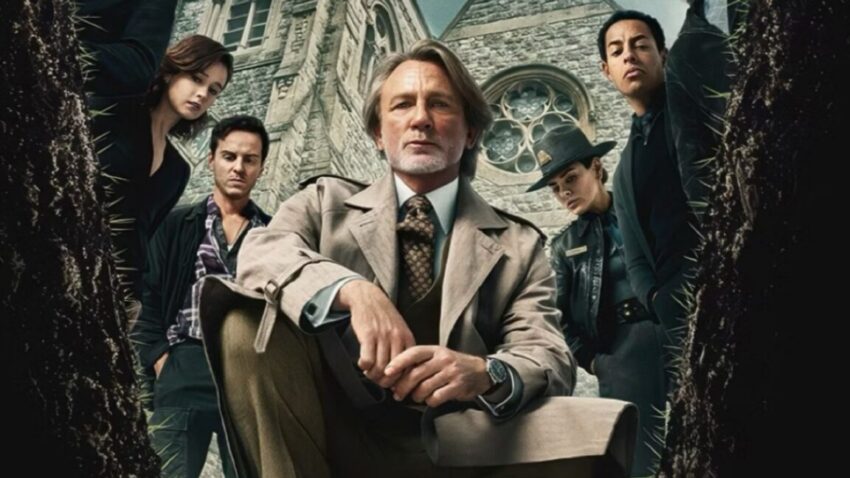
a study in contrasts the cinematography of Rian Johnson’s latest film, Wake Up Dead Man, continues the thrilling journey of detective Benoit Blanc, who investigates the mysterious death of a parish priest in a hauntingly atmospheric small-town setting.
a study in contrasts the cinematography of
Overview of Wake Up Dead Man
Wake Up Dead Man marks the third installment in the popular Knives Out franchise, which has captivated audiences with its intricate plots and engaging characters. In this film, Blanc, portrayed by the talented Daniel Craig, finds himself embroiled in the peculiar circumstances surrounding the death of Monseigneur Jefferson Wicks, played by Josh Brolin. The film is set against a backdrop that combines elements of classic locked-room mysteries with a distinctly Gothic aesthetic, creating an atmosphere ripe for suspense and intrigue.
The Plot
The narrative unfolds in a seemingly idyllic small town, where the death of the fire-and-brimstone priest sends shockwaves through the community. As Blanc delves deeper into the investigation, he uncovers a web of secrets and lies that challenge his deductive skills and moral compass. The film’s plot is intricately woven, with numerous twists and turns that keep viewers on the edge of their seats. The combination of Johnson’s sharp writing and Yedlin’s evocative cinematography enhances the storytelling, making each revelation feel impactful.
The Cinematographic Vision
At the heart of Wake Up Dead Man’s visual storytelling is cinematographer Steve Yedlin, who has collaborated with Rian Johnson since their teenage years. Their long-standing partnership allows for a seamless blending of artistic vision and technical execution. Yedlin’s previous work on films like Looper and The Last Jedi showcases his ability to create striking visuals that enhance narrative depth, and Wake Up Dead Man is no exception.
Collaboration Between Johnson and Yedlin
Yedlin’s familiarity with Johnson’s style and preferences allows for a unique synergy on set. Their collaborative process is characterized by open communication and a shared understanding of the film’s aesthetic goals. This rapport is crucial, especially in a film like Wake Up Dead Man, where the visual elements play a significant role in establishing mood and tone.
In an interview, Yedlin expressed that their collaboration is built on a foundation of trust and mutual respect. “We have a shorthand that allows us to explore ideas quickly,” he noted. This dynamic enables them to push creative boundaries while maintaining the film’s narrative integrity.
Visual Style and Techniques
Yedlin employs a variety of visual techniques to enhance the film’s Gothic atmosphere. The use of lighting, color palettes, and framing all contribute to the overall tone of the film. The cinematography captures the eerie beauty of the small town, juxtaposing its quaint exterior with the dark secrets lurking beneath the surface.
Lighting and Color Palette
One of the most striking aspects of Yedlin’s cinematography is his masterful use of lighting. The film features a mix of natural and artificial light sources, creating a dynamic interplay that heightens tension. Shadows play a significant role in establishing an ominous mood, while carefully placed highlights draw attention to key elements within the frame.
The color palette is equally important in conveying the film’s themes. Yedlin opts for muted tones that evoke a sense of nostalgia and decay, reflecting the town’s troubled history. The occasional bursts of color serve to emphasize moments of emotional intensity, guiding the audience’s focus and enhancing the narrative’s impact.
Framing and Composition
Yedlin’s framing choices also contribute to the film’s storytelling. He often employs tight close-ups to capture the characters’ emotional states, allowing viewers to connect with their internal struggles. Conversely, wide shots are used to establish the isolation of the small town and its inhabitants, reinforcing the film’s themes of secrecy and entrapment.
Moreover, the use of symmetrical compositions creates a sense of balance that contrasts with the chaos of the unfolding mystery. This visual harmony serves to heighten the tension, as the audience is acutely aware that beneath the surface, something is amiss.
Thematic Depth
Beyond its visual appeal, Wake Up Dead Man delves into themes of morality, faith, and the human condition. The film raises questions about the nature of truth and the lengths individuals will go to protect their secrets. As Blanc navigates the complexities of the case, he is forced to confront his own beliefs and biases, adding depth to his character.
Exploration of Morality
The moral ambiguity present in the film challenges viewers to consider the implications of their own choices. Each character is presented with dilemmas that force them to weigh their values against their desires. This exploration of morality is heightened by the film’s visual storytelling, as Yedlin’s cinematography captures the internal conflicts of the characters in a visceral manner.
Faith and Doubt
The character of Monseigneur Wicks serves as a focal point for the film’s exploration of faith. His death raises questions about the nature of belief and the impact of religious authority on a community. As Blanc investigates, he uncovers the complexities of faith and doubt, prompting viewers to reflect on their own beliefs.
Audience Reception and Critical Acclaim
Since its release, Wake Up Dead Man has garnered significant attention from both audiences and critics. The film’s intricate plot, combined with Yedlin’s stunning cinematography, has led to widespread acclaim. Critics have praised the film for its ability to blend suspense with thought-provoking themes, making it a standout entry in the Knives Out franchise.
Box Office Performance
In terms of box office performance, Wake Up Dead Man has exceeded expectations, drawing large audiences eager to experience the latest Benoit Blanc mystery. The film’s success can be attributed to its engaging narrative, strong performances, and the established popularity of the franchise.
Critical Reviews
Critics have highlighted the film’s visual storytelling as a key strength. Many have noted that Yedlin’s cinematography elevates the narrative, creating an immersive experience that captivates viewers. The film’s exploration of complex themes has also been lauded, with reviewers praising Johnson’s ability to weave social commentary into an entertaining mystery.
Conclusion
Wake Up Dead Man stands as a testament to the collaborative efforts of Rian Johnson and Steve Yedlin, showcasing their ability to create a visually stunning and thematically rich film. Through its intricate plot, compelling characters, and striking cinematography, the film invites audiences to engage with its mysteries while reflecting on deeper questions of morality and faith. As the Knives Out franchise continues to evolve, Wake Up Dead Man solidifies its place as a noteworthy addition, promising to leave a lasting impression on viewers.
Source: Original report
Was this helpful?
Last Modified: December 13, 2025 at 1:39 am
6 views