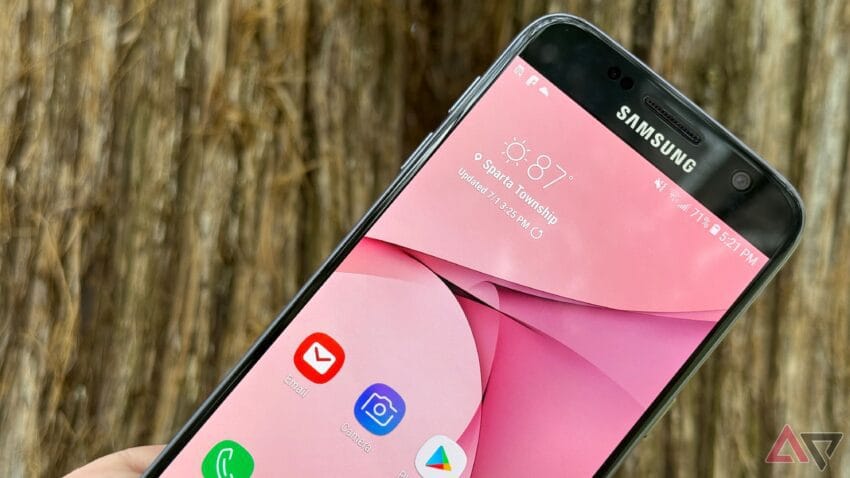
A nostalgic look back at the Samsung Galaxy S7 reveals its significant impact on the smartphone landscape.
a nostalgic look back at the samsung
Introduction to the Galaxy S7
Released in March 2016, the Samsung Galaxy S7 marked a pivotal moment in the evolution of smartphones. It was a device that not only showcased Samsung’s technological advancements but also set a new standard for what consumers could expect from their mobile devices. The Galaxy S7 was a follow-up to the Galaxy S6, which had already made waves with its premium design and features. However, the S7 took things even further, refining the user experience and introducing new capabilities that would resonate with users for years to come.
Design and Build Quality
One of the most striking aspects of the Galaxy S7 was its design. Samsung opted for a sleek and sophisticated look, combining glass and metal to create a premium feel. The device featured a 5.1-inch Super AMOLED display with a resolution of 1440 x 2560 pixels, providing vibrant colors and deep blacks. This display was not only visually stunning but also offered excellent viewing angles, making it a joy to use for everything from browsing the web to watching videos.
Water and Dust Resistance
Another notable feature of the Galaxy S7 was its IP68 rating, which meant it was both water and dust resistant. This was a significant upgrade from its predecessor and allowed users to take their devices into environments where they might have previously hesitated. Whether it was a day at the beach or a hike in the rain, the Galaxy S7 could withstand the elements, giving users peace of mind.
Ergonomics and Comfort
The curved edges of the Galaxy S7 not only enhanced its aesthetic appeal but also improved ergonomics. The device felt comfortable in hand, allowing for easy one-handed use. The placement of buttons was intuitive, and the overall weight of the phone was balanced, making it a pleasure to hold for extended periods.
Performance and Specifications
Under the hood, the Galaxy S7 was powered by either the Qualcomm Snapdragon 820 or Samsung’s own Exynos 8890 processor, depending on the region. This ensured that the device could handle demanding tasks with ease, from gaming to multitasking. Coupled with 4GB of RAM, the Galaxy S7 offered a smooth and responsive experience that was highly regarded at the time.
Camera Capabilities
The camera was another standout feature of the Galaxy S7. It boasted a 12-megapixel rear camera with a f/1.7 aperture, allowing for excellent low-light performance. This was a significant improvement over the S6, which had struggled in dim conditions. The camera also featured dual pixel technology, which improved focus speed and accuracy. Users could capture stunning photos with minimal effort, making it a favorite among photography enthusiasts.
Battery Life and Charging
Battery life was a crucial consideration for smartphone users, and the Galaxy S7 did not disappoint. It came equipped with a 3,000mAh battery that provided all-day usage for most users. Additionally, the device supported both fast charging and wireless charging, making it convenient to power up without the hassle of cables. This combination of battery efficiency and charging options was well-received, as it addressed a common pain point for smartphone users.
Software and User Experience
The Galaxy S7 launched with Android 6.0 Marshmallow, featuring Samsung’s TouchWiz UI. While TouchWiz had received criticism in the past for being bloated, the version on the S7 was more refined and user-friendly. Samsung focused on streamlining the interface and reducing unnecessary features, which contributed to a smoother user experience. The device also received regular updates, ensuring that users had access to the latest features and security patches.
Samsung Ecosystem Integration
Samsung’s ecosystem was another key selling point for the Galaxy S7. The device seamlessly integrated with other Samsung products, such as smartwatches and smart home devices. This interconnectedness allowed users to control various aspects of their lives from their smartphones, enhancing the overall user experience. Features like Samsung Pay also made it easy to make transactions, further solidifying the Galaxy S7’s position as a versatile device.
Market Reception and Impact
The Galaxy S7 was met with widespread acclaim upon its release. Critics praised its design, performance, and camera capabilities, often citing it as one of the best smartphones of 2016. The device won several awards, including the prestigious “Best Smartphone” at the Mobile World Congress. Sales figures reflected this positive reception, with the Galaxy S7 quickly becoming one of Samsung’s best-selling devices.
Competitive Landscape
At the time of its release, the smartphone market was highly competitive, with major players like Apple, Google, and LG vying for consumer attention. The Galaxy S7 stood out in this crowded field, largely due to its combination of premium features and competitive pricing. While the iPhone 6s was a formidable competitor, the Galaxy S7 offered features that appealed to a broader audience, such as expandable storage and water resistance.
Long-Term Influence
The influence of the Galaxy S7 extended beyond its immediate success. It set a benchmark for future smartphone designs, with many manufacturers adopting similar features in subsequent models. The emphasis on camera quality, water resistance, and user-friendly interfaces became standard expectations in the industry. Samsung’s commitment to innovation and quality with the Galaxy S7 helped solidify its reputation as a leader in the smartphone market.
Legacy and Conclusion
As we reflect on the Samsung Galaxy S7, it is clear that the device played a crucial role in shaping the smartphone landscape. Its combination of design, performance, and user experience set a high bar for future devices. Even years after its release, the Galaxy S7 remains a beloved choice for many users, a testament to its enduring appeal. The device not only marked a significant step forward for Samsung but also influenced the direction of the entire smartphone industry.
In conclusion, the Samsung Galaxy S7 was more than just a smartphone; it was a cultural touchstone that encapsulated a moment in time when mobile technology was rapidly evolving. Its legacy continues to be felt today, as manufacturers strive to meet the expectations set by this groundbreaking device.
Source: Original report
Related: More technology coverage
Further reading: related insights.
Further reading: related insights.
Further reading: related insights.
Was this helpful?
Last Modified: August 31, 2025 at 9:50 pm
7 views