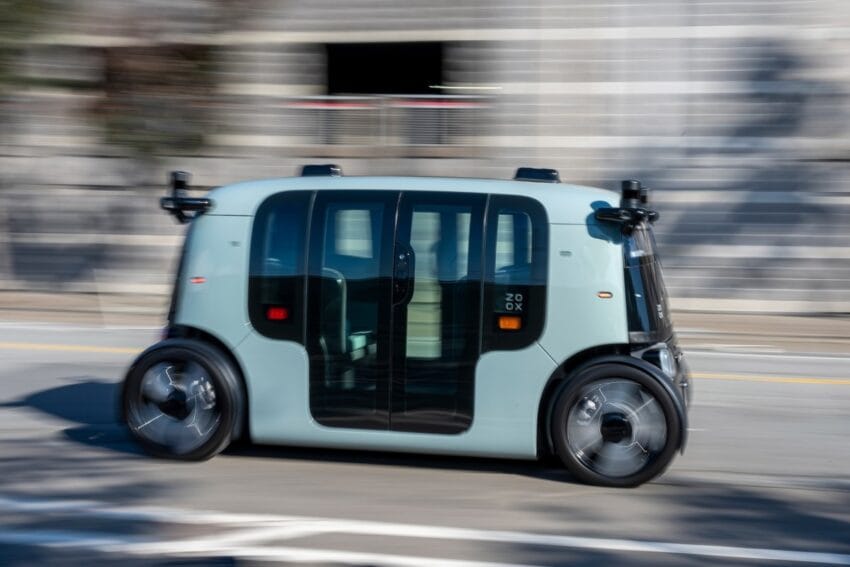
zoox asks federal regulators for exemption to Zoox, the autonomous vehicle company owned by Amazon, has formally requested an exemption from federal regulators to launch a commercial robotaxi service.
zoox asks federal regulators for exemption to
Background on Zoox and Its Vision
Founded in 2014, Zoox has been at the forefront of developing autonomous vehicle technology. The company aims to revolutionize urban transportation by creating a fully autonomous, purpose-built vehicle designed specifically for ride-hailing services. Unlike traditional vehicles, Zoox’s robotaxis are engineered without conventional controls such as steering wheels and pedals, allowing for a unique design that maximizes passenger comfort and safety.
Zoox’s vision is not merely about creating a self-driving car; it is about reimagining how people move within cities. The company envisions a future where urban areas are less congested and more environmentally friendly, with autonomous vehicles reducing the need for personal car ownership and minimizing emissions. This aligns with broader trends in urban planning and sustainability, as cities worldwide seek to reduce traffic and improve air quality.
The Request for Exemption
The exemption requested by Zoox is crucial for the company to proceed with its plans for a commercial robotaxi service. The U.S. Department of Transportation (DOT) and the National Highway Traffic Safety Administration (NHTSA) regulate vehicle safety standards, and Zoox’s unique vehicle design does not fit neatly within existing regulations. By seeking an exemption, Zoox hopes to demonstrate that its vehicles can operate safely and effectively without the conventional controls that the regulations typically require.
Details of the Exemption Request
In its application, Zoox has outlined several key points:
- Safety Features: Zoox emphasizes that its robotaxis are equipped with advanced safety features, including multiple sensors, cameras, and artificial intelligence systems designed to navigate complex urban environments safely.
- Testing and Validation: The company has conducted extensive testing of its vehicles in various conditions, demonstrating their ability to handle different traffic scenarios and weather conditions.
- Public Benefit: Zoox argues that the deployment of its robotaxi service will provide significant public benefits, including reduced traffic congestion, lower emissions, and increased accessibility for individuals who may not be able to drive.
Implications of the Exemption
If granted, this exemption could set a precedent for other companies developing similar autonomous vehicle technologies. It would signal a shift in regulatory attitudes toward innovative transportation solutions, potentially paving the way for a broader acceptance of autonomous vehicles in urban settings.
Impact on the Autonomous Vehicle Industry
The request for exemption comes at a critical time for the autonomous vehicle industry, which has faced numerous challenges in recent years. While many companies have invested heavily in self-driving technology, regulatory hurdles have often slowed progress. A favorable decision for Zoox could encourage other companies to pursue similar exemptions, accelerating the development and deployment of autonomous vehicles across the country.
Potential Challenges Ahead
However, the path forward is not without challenges. Regulatory bodies will need to carefully evaluate Zoox’s application, weighing the potential benefits against safety concerns. Critics may argue that allowing vehicles without traditional controls could pose risks, particularly in complex urban environments where human drivers are still prevalent.
Additionally, public perception plays a significant role in the acceptance of autonomous vehicles. Many people remain skeptical about the safety and reliability of self-driving technology. Zoox will need to engage in public outreach and education efforts to build trust and demonstrate the safety of its robotaxis.
Stakeholder Reactions
The response to Zoox’s exemption request has been mixed among stakeholders in the transportation and technology sectors. Some industry leaders and advocates for autonomous vehicles have expressed support, citing the potential benefits of reduced congestion and improved safety. Others, however, have raised concerns about the implications for public safety and the regulatory framework surrounding autonomous vehicles.
Support from Industry Leaders
Proponents of Zoox’s initiative argue that the deployment of robotaxis could significantly enhance urban mobility. They point to studies indicating that autonomous vehicles can reduce accidents caused by human error, which accounts for a substantial percentage of traffic incidents. Furthermore, supporters believe that robotaxis could provide essential transportation options for underserved communities, improving access to jobs and services.
Concerns from Safety Advocates
Conversely, safety advocates have voiced concerns regarding the potential risks associated with deploying vehicles that lack traditional controls. They argue that while Zoox’s technology may be advanced, the unpredictability of human drivers and pedestrians in urban environments presents unique challenges that must be addressed before widespread deployment. These advocates emphasize the need for rigorous testing and transparent reporting of safety data to ensure public confidence in autonomous vehicles.
Future of Urban Mobility
The request for an exemption by Zoox is part of a broader trend toward rethinking urban mobility. As cities grapple with issues such as traffic congestion, pollution, and limited parking, innovative solutions like autonomous robotaxis could play a pivotal role in shaping the future of transportation.
Integration with Public Transportation
One of the most promising aspects of autonomous robotaxis is their potential to integrate with existing public transportation systems. By providing first- and last-mile connectivity, robotaxis could enhance the overall efficiency of public transit, making it a more attractive option for commuters. This integration could lead to a more seamless travel experience, reducing reliance on personal vehicles and promoting sustainable urban mobility.
Environmental Considerations
Moreover, the environmental implications of deploying autonomous robotaxis are significant. As cities strive to meet emissions reduction targets, the shift toward electric, autonomous vehicles could contribute to cleaner air and a reduction in greenhouse gas emissions. Zoox’s commitment to sustainability aligns with these goals, as the company aims to create a fleet of electric robotaxis that operate without fossil fuels.
Conclusion
Zoox’s request for an exemption to launch a commercial robotaxi service represents a significant step forward in the evolution of urban transportation. The outcome of this request could have far-reaching implications for the autonomous vehicle industry, regulatory frameworks, and the future of mobility in cities. As the company navigates the regulatory landscape, it will be essential to balance innovation with safety, public perception, and environmental considerations.
As the autonomous vehicle landscape continues to evolve, the actions taken by regulators and companies like Zoox will shape the trajectory of urban mobility for years to come. The push for a commercial robotaxi service is not just about technology; it is about reimagining how we move, interact, and live in our cities.
Source: Original report
Was this helpful?
Explore more: More General Technology Tech News Blog
Last Modified: September 25, 2025 at 1:38 am
9 views