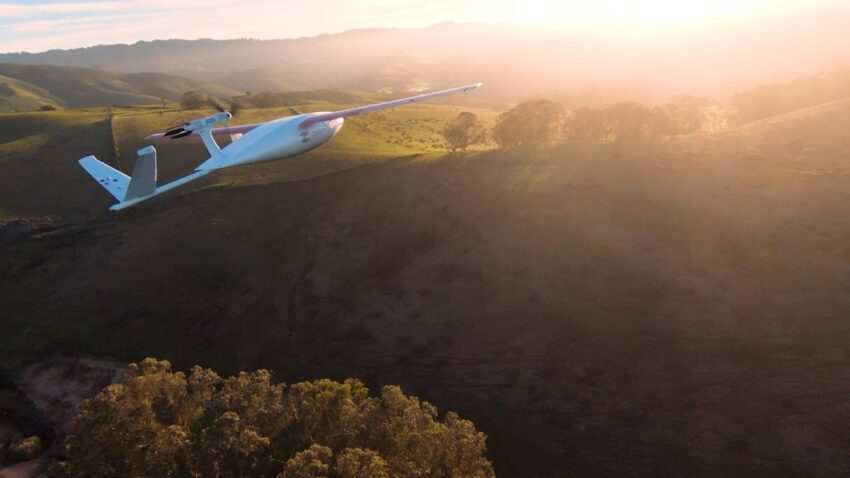
zipline snaps up another 200m to fuel Zipline has secured an additional $200 million in funding to bolster its drone delivery services, further establishing its position in the rapidly evolving logistics sector.
zipline snaps up another 200m to fuel
Funding Overview
This latest funding round adds to a previous round announced in January, which valued the drone startup at an impressive $7.6 billion. The recent investment highlights the growing confidence investors have in Zipline’s innovative approach to logistics and healthcare delivery, particularly in underserved regions.
Investor Confidence
Investors are increasingly recognizing the potential of drone technology to revolutionize supply chains, especially in areas where traditional infrastructure is lacking. Zipline’s ability to deliver essential medical supplies, blood products, and vaccines to remote locations has garnered significant attention. The company’s commitment to using drones for humanitarian purposes aligns well with the increasing demand for efficient and reliable delivery systems.
Company Background
Founded in 2014, Zipline has quickly emerged as a leader in drone logistics. The company initially focused on delivering blood supplies to hospitals in Rwanda, a mission that has since expanded to include a variety of medical products and services across multiple countries. With a fleet of autonomous drones, Zipline has successfully completed millions of deliveries, showcasing the reliability and efficiency of its technology.
Global Expansion
Zipline’s expansion strategy has been aggressive. The company has extended its operations beyond Africa, entering markets in the United States and other regions. In the U.S., Zipline has partnered with various healthcare providers to enhance their distribution capabilities, particularly during the COVID-19 pandemic when timely delivery of vaccines was critical.
Technological Innovations
At the core of Zipline’s success is its advanced drone technology. The company utilizes fixed-wing drones that can travel long distances and carry substantial payloads. This capability allows Zipline to reach remote areas that are often inaccessible by traditional vehicles. The drones are equipped with sophisticated navigation systems, enabling them to operate autonomously while adhering to strict safety regulations.
Operational Efficiency
Zipline’s operational model is designed for efficiency. The drones can be deployed quickly and are capable of making multiple deliveries in a single flight. This efficiency not only reduces delivery times but also minimizes costs, making it an attractive option for healthcare providers and other organizations in need of reliable logistics solutions.
Impact on Healthcare Delivery
The implications of Zipline’s drone delivery services are profound, particularly in the healthcare sector. By providing rapid access to medical supplies, the company is helping to save lives and improve health outcomes in underserved communities. For instance, in regions where transportation infrastructure is poor, Zipline’s drones can deliver blood and vaccines within minutes, significantly reducing the time it takes to respond to medical emergencies.
Case Studies
Several case studies illustrate the impact of Zipline’s services. In Rwanda, the company has been instrumental in reducing maternal mortality rates by ensuring timely access to blood transfusions. Similarly, during the COVID-19 pandemic, Zipline played a crucial role in distributing vaccines to remote areas, helping to ensure that vulnerable populations received timely immunizations.
Regulatory Landscape
As Zipline continues to expand its operations, it faces various regulatory challenges. The use of drones for commercial purposes is subject to strict regulations in many countries, particularly concerning airspace management and safety standards. Zipline has worked closely with regulatory bodies to ensure compliance while advocating for policies that facilitate the growth of drone logistics.
Future Prospects
Looking ahead, Zipline aims to further expand its service offerings and geographic reach. The additional funding will enable the company to invest in research and development, enhancing its technology and exploring new applications for drone delivery. Zipline’s vision includes not only healthcare logistics but also potential applications in e-commerce and other sectors, where rapid delivery is becoming increasingly important.
Stakeholder Reactions
The recent funding round has elicited positive reactions from various stakeholders, including investors, healthcare providers, and policymakers. Investors are optimistic about the company’s growth trajectory, while healthcare providers appreciate the potential for improved logistics and patient outcomes. Policymakers are also recognizing the importance of drone technology in addressing logistical challenges, particularly in rural and underserved areas.
Community Engagement
Zipline has made efforts to engage with local communities to raise awareness about its services and address any concerns. By fostering partnerships with local healthcare providers and government agencies, the company aims to build trust and ensure that its operations align with community needs. This engagement is crucial for the long-term success of Zipline’s initiatives, as it helps to create a supportive environment for drone logistics.
Conclusion
Zipline’s recent $200 million funding round marks a significant milestone in the company’s journey toward revolutionizing logistics through drone technology. With a strong focus on healthcare delivery and a commitment to innovation, Zipline is well-positioned to continue its expansion and make a lasting impact on communities around the world. As the demand for efficient delivery solutions grows, Zipline’s role in shaping the future of logistics will likely become even more pronounced.
Source: Original report
Was this helpful?
Last Modified: March 24, 2026 at 2:40 am
5 views