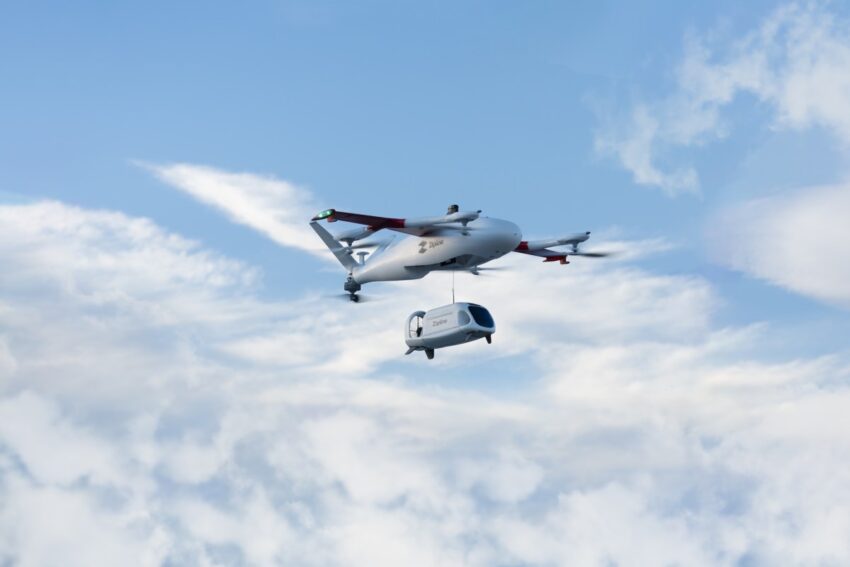
zipline charts drone delivery expansion with 600m Zipline, a leader in drone delivery services, has announced a significant expansion plan fueled by $600 million in new funding.
zipline charts drone delivery expansion with 600m
Funding and Strategic Goals
The recent funding round marks a pivotal moment for Zipline as it aims to enhance its operational capabilities and expand its geographic footprint. This influx of capital is expected to accelerate the company’s growth trajectory, enabling it to scale its drone delivery services across more regions, particularly in the United States. The funding will not only support the expansion of existing operations but also facilitate the development of new technologies and infrastructure necessary for efficient drone delivery.
Zipline’s CEO, Keller Rinaudo, emphasized the importance of this funding in a recent statement, noting that it would enable the company to “continue to innovate and expand our services to reach more customers.” The company has already established a strong presence in various markets, and this new investment will allow it to build on that momentum.
Recent Achievements in Delivery Milestones
Zipline’s expansion in the United States has significantly impacted its delivery numbers. In 2024, the company achieved a remarkable milestone by completing 1 million drone deliveries to customers. Just recently, Zipline announced that it has surpassed 2 million deliveries, showcasing the rapid growth and acceptance of its services.
Operational Efficiency
The increase in delivery numbers reflects not only the growing demand for drone delivery services but also Zipline’s commitment to operational efficiency. The company has developed a robust logistics network that allows it to deliver medical supplies, vaccines, and other essential goods quickly and reliably. By utilizing drones, Zipline can bypass traditional transportation challenges, such as traffic congestion and road closures, ensuring timely deliveries even in remote or underserved areas.
Technological Innovations
Central to Zipline’s success is its investment in cutting-edge technology. The company employs advanced drone systems equipped with sophisticated navigation and delivery mechanisms. These drones are designed to operate autonomously, allowing for precise deliveries while minimizing human intervention. Additionally, Zipline has developed a comprehensive software platform that optimizes delivery routes and monitors drone performance in real-time.
Market Context and Competitive Landscape
The drone delivery market is experiencing rapid growth, driven by advancements in technology and increasing consumer demand for faster delivery options. Zipline is not alone in this space; several competitors are also vying for a share of the market. Companies like Wing, a subsidiary of Alphabet, and Amazon Prime Air are actively developing their drone delivery services, creating a competitive landscape that is both challenging and dynamic.
However, Zipline has carved out a unique niche by focusing primarily on the delivery of medical supplies and critical goods. This specialization has allowed the company to establish partnerships with healthcare providers and government agencies, positioning it as a trusted logistics partner in the healthcare sector.
Partnerships and Collaborations
Zipline’s success is also attributed to its strategic partnerships. The company has collaborated with various organizations, including hospitals, pharmacies, and government health departments, to streamline the delivery of essential medical supplies. These partnerships have not only expanded Zipline’s reach but have also reinforced its reputation as a reliable service provider.
For instance, Zipline has been instrumental in delivering COVID-19 vaccines to remote areas, ensuring that vulnerable populations have access to life-saving immunizations. This commitment to public health has garnered positive attention and support from both the public and private sectors.
Regulatory Landscape and Challenges
While Zipline’s growth trajectory is promising, the company faces several regulatory challenges that could impact its expansion plans. The Federal Aviation Administration (FAA) plays a crucial role in regulating drone operations in the United States, and navigating the regulatory landscape can be complex. Zipline must ensure compliance with safety regulations, air traffic management, and privacy concerns as it scales its operations.
Despite these challenges, Zipline has demonstrated its ability to work collaboratively with regulatory bodies. The company has received necessary approvals for its operations and is actively engaged in discussions with the FAA to shape future regulations that support the growth of the drone delivery industry.
Public Perception and Acceptance
Public perception of drone delivery services is another critical factor influencing Zipline’s expansion. While many consumers appreciate the convenience and speed of drone deliveries, there are concerns regarding noise, safety, and privacy. Zipline has made efforts to address these concerns through community engagement initiatives and transparent communication about its operations.
By educating the public about the benefits of drone delivery, particularly in the context of healthcare, Zipline aims to foster acceptance and support for its services. The company has also implemented measures to minimize noise pollution and ensure safe operations, further enhancing its reputation in the communities it serves.
Future Outlook and Implications
The future looks bright for Zipline as it embarks on this new phase of expansion. The $600 million in funding will enable the company to invest in new technologies, expand its fleet of drones, and enhance its logistics capabilities. As Zipline continues to grow, it will likely play a pivotal role in shaping the future of drone delivery services, particularly in the healthcare sector.
Moreover, the success of Zipline’s model could inspire other companies to explore similar approaches in different industries. The ability to deliver essential goods quickly and efficiently has far-reaching implications, particularly in emergency situations where timely access to supplies can save lives.
Stakeholder Reactions
Reactions from stakeholders have been largely positive, with investors expressing confidence in Zipline’s vision and operational capabilities. The recent funding round attracted interest from various venture capital firms and strategic investors, underscoring the growing belief in the potential of drone delivery services.
Healthcare providers and government agencies have also voiced support for Zipline’s initiatives, recognizing the value of drone delivery in enhancing access to medical supplies. As the company continues to expand its partnerships, it is likely to strengthen its position as a leader in the drone delivery market.
Conclusion
Zipline’s announcement of a $600 million funding round is a significant development in the drone delivery landscape. With its impressive track record of over 2 million deliveries and a commitment to innovation, the company is well-positioned to lead the charge in transforming logistics and supply chain management. As it navigates regulatory challenges and works to gain public acceptance, Zipline’s expansion efforts will undoubtedly have lasting implications for the future of drone delivery services.
Source: Original report
Was this helpful?
Explore more: DevOps Services More Cloud & DevOps Tech News
Last Modified: January 22, 2026 at 5:49 am
19 views