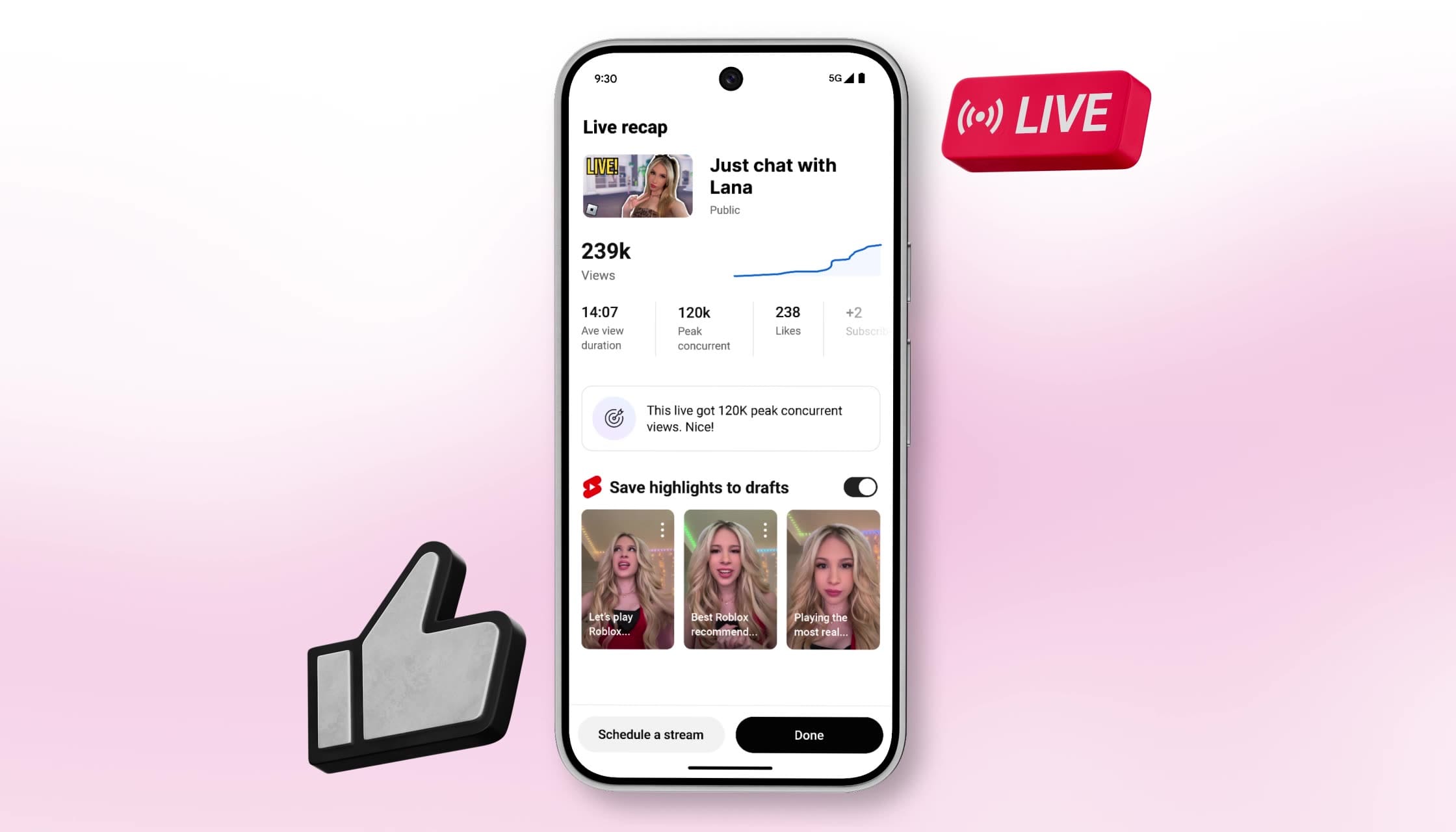
youtube is adding ai into more parts YouTube is integrating artificial intelligence into various aspects of content creation, providing creators with new tools to enhance their workflow and optimize their videos.
youtube is adding ai into more parts
The Role of Influencers and Content Creators
Influencers and content creators often juggle multiple roles beyond their public personas. While some of the most prominent figures may have teams to assist them, many creators are responsible for a range of tasks, including:
- Content moderation
- Video editing
- Photography
- Social media strategy
- Scriptwriting
- Idea generation
This multifaceted approach can be overwhelming, especially for those who are just starting or who have smaller followings. The introduction of AI tools by platforms like YouTube aims to alleviate some of this burden by allowing creators to outsource significant portions of their work to technology.
YouTube’s New AI Features
At the Made On YouTube event held in New York, the company unveiled a suite of new AI features designed specifically for content creators. These tools focus on the behind-the-scenes work that goes into producing a video, rather than merely enhancing the visual or audio aspects of the content. This marks a shift from previous offerings, such as AI-generated background music or image creation tools, to features that are more centered on content strategy and audience engagement.
Ask Studio: Your AI Creative Partner
One of the standout tools introduced is Ask Studio, an AI chatbot that enables creators to ask analytics-related questions about their content’s performance. According to Amjad Hanif, Vice President of Product Management at YouTube, Ask Studio serves as a “creative partner.” It allows creators to inquire about various aspects of their videos, such as:
- How the audience is responding to a video
- The most compelling moments within a video
- Summarizing viewer comments and sentiment
By pulling data from across a creator’s YouTube channel, including both long-form videos and Shorts, Ask Studio provides a more streamlined analytics experience. For instance, if a creator notices a drop in viewership at a specific point in their video, Ask Studio can offer tailored advice on how to optimize that section for future uploads. Additionally, creators can request video ideas based on comments from their latest uploads, as well as title suggestions to enhance discoverability.
However, it is important to note that Ask Studio currently lacks the capability to compare a creator’s channel against competitors. Queries such as “What videos from my competitors are performing well?” are not supported at this time.
Thumbnail and Title A/B Testing
Another significant feature being rolled out is a new A/B testing tool for thumbnails and titles. This builds upon a thumbnail testing feature that was introduced last year. With the updated tool, creators can pair different thumbnail images with titles and run tests to determine which combination yields the highest watch time. The “winner” of the test is identified based on performance metrics.
Ashley Alexander, a lifestyle influencer who received early access to the new features, emphasizes the importance of thumbnails and titles in attracting viewers. “No matter how good the video is, the thumbnail and title is what gets people to even see the video and see if it’s good or not. It might be the most important thing, honestly,” she states. Alexander has integrated the new A/B testing tool into her workflow, using the thumbnail-only testing feature for every video she produces.
The Shift in Content Creation Paradigms
The introduction of these AI tools represents a paradigm shift in how creators approach content optimization. Historically, creators relied on trial and error to determine what worked best for their audience on various social media platforms. They experimented with different titles, thumbnails, and content formats, often without any direct guidance from the platforms themselves.
Now, platforms like YouTube are taking a more active role in guiding creators on what to produce and how to optimize their content. Similar to TikTok, which informs creators about trending topics and user searches, YouTube’s new features aim to enhance viewer engagement and retention. This dual benefit serves both creators and the platform: creators want viewers to spend more time watching their videos, while YouTube aims to keep users engaged on its platform.
Expanding Viewer-Facing AI Tools
YouTube is also enhancing its viewer-facing AI tools, particularly in the realm of dubbing. Previously, creators had access to an auto-dubbing feature, but the latest update allows for lip-syncing in the dubbed language, providing a more seamless viewing experience. Content that utilizes YouTube’s AI dubbing feature will be marked with a badge beneath the title and in the video description, indicating that it was auto-dubbed. However, creators will not have the ability to edit or correct any mis-translations after the video has been uploaded.
Collaborative Features for Creators
In addition to the AI tools, YouTube is introducing a feature that allows creators to add multiple collaborators to a single video. This essentially functions as a cross-posting feature, enabling each collaborator to view performance metrics for the video. This collaborative approach aims to foster community and shared creativity among creators, allowing them to leverage each other’s strengths and audiences.
The Broader Context of AI in Content Creation
The integration of AI into content creation is not a new phenomenon; it has been gradually permeating various industries. For instance, adult content creators are increasingly using chatbots to engage with paying clients, while advertisers are encouraged to utilize AI-generated models for product promotion. However, the recent updates to YouTube’s monetization policies have raised concerns among creators regarding the implications of AI-generated content. Many creators interpreted the “inauthentic content” policy as a direct response to the rise of AI-generated mass-produced videos.
Concerns about what qualifies as “inauthentic” content have sparked discussions within the creator community. Questions arise about how YouTube will screen content and determine what should be demonetized. As AI-generated content becomes more prevalent, the lines between authentic and inauthentic creation may blur, leading to further scrutiny and debate.
Implications for Creators and Audiences
As AI tools become more integrated into the content creation process, it raises important questions about authenticity and creativity. Do viewers care if their favorite YouTuber uses AI to generate video topic ideas or optimize their content? If all creators are utilizing the same built-in tools, can anyone truly stand out? The concern is that if everyone is perfectly optimized for YouTube’s algorithm, the uniqueness that originally attracted viewers may be diluted.
Creators like Ashley Alexander argue that while AI-generated ideas can serve as a useful starting point, they are not a substitute for genuine creativity. “The AI-generated ideas are a good place to start, but ultimately I think I know my audience best,” she asserts. For many content creators, their relationship with their audience is built on distinct creative choices and personal connections, something that AI cannot replicate.
Conclusion
The introduction of AI tools by YouTube marks a significant evolution in the landscape of content creation. While these features aim to streamline workflows and enhance audience engagement, they also prompt critical discussions about authenticity, creativity, and the future of content creation. As creators navigate this new terrain, the balance between leveraging technology and maintaining a unique voice will be crucial in defining their success.
Source: Original report
Was this helpful?
Explore more: More Big Tech & Platforms Tech News Blog
Last Modified: September 16, 2025 at 7:38 pm
10 views