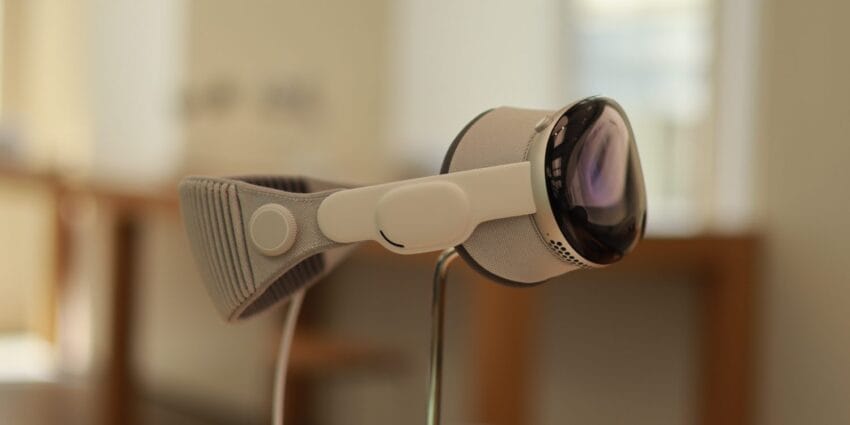
wsj explores the niche markets benefiting from The Apple Vision Pro, despite its high price and limited app ecosystem, is finding unexpected success in niche markets, according to a recent report by The Wall Street Journal.
wsj explores the niche markets benefiting from
Understanding the Apple Vision Pro
Launched with much anticipation, the Apple Vision Pro has made headlines not only for its innovative features but also for its steep price tag, which starts at $3,499. This hefty cost has led many to question the device’s viability in a market that often favors more affordable alternatives. Additionally, the current lack of a robust app ecosystem has raised concerns about the device’s long-term appeal to mainstream consumers. However, recent insights suggest that the Vision Pro is carving out a space in specialized markets that may not be immediately apparent to the average consumer.
Market Positioning and Initial Reception
When Apple first unveiled the Vision Pro, it positioned the device as a revolutionary augmented reality (AR) headset that could redefine how users interact with digital content. The device boasts advanced features such as high-resolution displays, spatial audio, and sophisticated gesture controls, which have been well-received by tech enthusiasts and industry experts. However, the initial consumer reception has been mixed, primarily due to its price and the limited number of applications available at launch.
Niche Markets Identified
Despite these challenges, the WSJ report highlights several niche markets where the Apple Vision Pro is gaining traction:
- Healthcare: Medical professionals are exploring the Vision Pro for applications in surgery, training, and patient care. The device’s ability to overlay digital information onto the real world can assist surgeons during operations, providing real-time data and enhancing precision.
- Education: Educational institutions are beginning to adopt the Vision Pro for immersive learning experiences. By allowing students to interact with 3D models and simulations, the device can enhance understanding in subjects like biology, chemistry, and engineering.
- Real Estate: Real estate agents are using the Vision Pro to offer virtual tours of properties, allowing potential buyers to experience homes in a more engaging way. This application can save time and resources while providing a unique selling point.
- Design and Architecture: Designers and architects are leveraging the device for visualization purposes. The ability to walk through a virtual model of a building or product can streamline the design process and facilitate better client communication.
Healthcare Applications
The healthcare sector is one of the most promising areas for the Apple Vision Pro. Surgeons and medical professionals are increasingly recognizing the potential of augmented reality to enhance surgical procedures and training. For instance, the Vision Pro can display vital patient data directly in the surgeon’s line of sight, reducing the need to glance away at monitors. This capability can lead to improved focus and efficiency during complex operations.
Training and Simulation
In addition to surgical applications, the Vision Pro is being utilized for medical training. Medical students can engage in realistic simulations that replicate surgical scenarios, allowing them to practice techniques in a controlled environment. This immersive training can lead to better preparedness and confidence when dealing with real patients.
Educational Innovations
Education is another sector where the Vision Pro is making significant inroads. Schools and universities are exploring its potential to create immersive learning experiences that go beyond traditional teaching methods. For example, students studying anatomy can use the device to visualize the human body in 3D, allowing for a deeper understanding of complex systems.
Interactive Learning Environments
Moreover, the Vision Pro can facilitate interactive learning environments where students collaborate on projects in real-time, regardless of their physical location. This capability is particularly beneficial for remote learning, as it can bridge the gap between in-person and online education.
Real Estate and Virtual Tours
The real estate industry is also experiencing a shift with the introduction of the Vision Pro. Real estate agents are beginning to use the device to conduct virtual tours of properties, providing potential buyers with an immersive experience that traditional photos and videos cannot match.
Enhancing Buyer Experience
By utilizing the Vision Pro, agents can showcase properties in a more engaging way, allowing buyers to explore spaces as if they were physically present. This innovative approach can save time for both agents and clients, as it enables buyers to narrow down their choices before scheduling in-person visits.
Design and Architecture
In the fields of design and architecture, the Vision Pro is proving to be a valuable tool for visualization and collaboration. Designers can create 3D models of their projects and allow clients to experience them in an immersive environment. This capability can lead to more effective communication and feedback during the design process.
Streamlining the Design Process
Furthermore, the ability to walk through a virtual model can help identify potential issues before construction begins, ultimately saving time and resources. Architects can use the Vision Pro to present their designs in a way that is more intuitive and engaging than traditional blueprints or renderings.
Challenges and Limitations
While the Apple Vision Pro is finding success in these niche markets, it is essential to acknowledge the challenges and limitations that still exist. The high price point remains a significant barrier for widespread adoption, particularly among individual consumers. Additionally, the limited app ecosystem at launch has raised concerns about the device’s long-term viability in the consumer market.
Future Developments
Apple’s commitment to expanding the app ecosystem will be crucial in determining the Vision Pro’s success beyond niche markets. As developers create more applications tailored to the device’s capabilities, its appeal may broaden, potentially attracting a wider audience. Furthermore, as technology advances and production costs decrease, it is possible that future iterations of the Vision Pro could become more accessible to a larger consumer base.
Stakeholder Reactions
The reactions from stakeholders in various industries have been mixed but generally optimistic. Healthcare professionals are excited about the potential benefits of using augmented reality in surgical procedures and training. Educators are exploring innovative ways to incorporate the Vision Pro into their curricula, while real estate agents and designers are eager to leverage the device for enhanced client experiences.
Consumer Sentiment
Consumer sentiment, however, remains cautious. Many potential buyers are waiting to see how the app ecosystem develops and whether the device’s price will decrease over time. As more success stories emerge from niche markets, consumer confidence may gradually increase, leading to broader adoption.
Conclusion
In summary, while the Apple Vision Pro faces challenges in terms of price and app availability, it is successfully penetrating niche markets that leverage its advanced capabilities. The healthcare, education, real estate, and design sectors are just a few examples of areas where the device is making a significant impact. As Apple continues to develop the Vision Pro and expand its ecosystem, the potential for broader adoption may become a reality. The future of the Apple Vision Pro will depend on its ability to evolve and meet the needs of both specialized industries and mainstream consumers.
wsj explores the niche markets benefiting from Source: Original report
Was this helpful?
Explore more: More Hardware & Devices Tech News Blog
Last Modified: September 8, 2025 at 6:33 pm
13 views