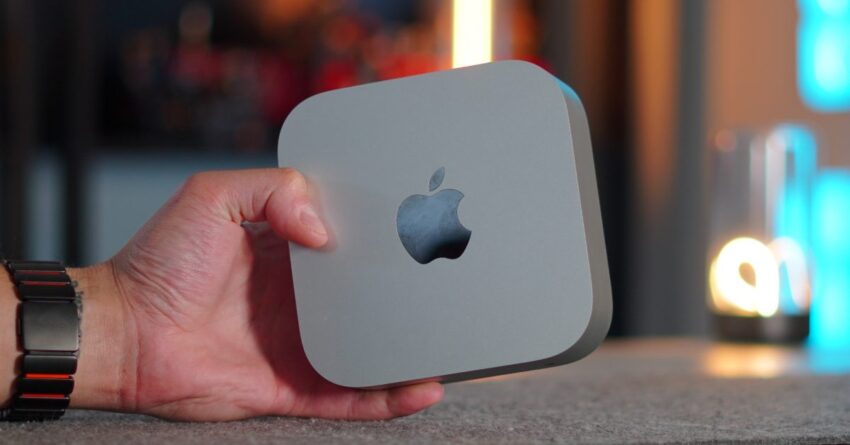
will apple be raising its memory prices Apple may soon adjust its memory prices as the computing industry faces significant increases in memory costs due to supply shortages.
will apple be raising its memory prices
The Current Landscape of Memory Prices
In recent months, the prices of computer memory, including both RAM and flash storage, have surged dramatically. This increase is primarily attributed to supply shortages exacerbated by the rapid expansion of artificial intelligence (AI) datacenters. As companies invest heavily in AI technologies, the demand for high-performance memory solutions has skyrocketed, leading to a constrained supply chain and inflated costs.
Industry analysts have reported that memory prices have increased by as much as four times in some instances. This trend raises concerns not only for manufacturers but also for consumers who are looking to purchase new devices. As memory components become more expensive, the question arises: will Apple, a major player in the computing market, adjust its pricing strategy for upcoming Mac releases?
Factors Influencing Memory Prices
Supply Chain Disruptions
The ongoing global supply chain disruptions have played a significant role in the rising costs of memory. Several factors contribute to these disruptions, including:
- COVID-19 Pandemic: The pandemic has caused widespread factory shutdowns and labor shortages, impacting production capabilities across various sectors, including semiconductor manufacturing.
- Geopolitical Tensions: Trade disputes and sanctions between major economies have further complicated the supply chain, leading to increased costs and delays in sourcing materials.
- Increased Demand from AI: The rapid growth of AI applications has resulted in a surge in demand for high-performance memory, putting additional pressure on an already strained supply chain.
Market Dynamics
Memory prices are also influenced by market dynamics, including competition among manufacturers and the overall economic climate. As demand continues to outpace supply, manufacturers may be forced to raise prices to maintain profitability. This situation is particularly relevant for companies like Apple, which rely heavily on memory components for their products.
Apple’s Historical Pricing Strategy
Apple has a history of adjusting its pricing strategy based on market conditions. In the past, the company has been known to offer various configurations of its devices, allowing consumers to choose the amount of memory that best suits their needs. However, as memory prices continue to rise, Apple may face challenges in maintaining its pricing structure.
For instance, when Apple introduced the M1 chip in its Mac lineup, the company offered competitive pricing for models with different memory configurations. However, if memory prices continue to escalate, Apple may have to reconsider its approach to pricing and product offerings.
Potential Implications for Consumers
If Apple decides to raise its memory prices, consumers could face several implications:
- Higher Costs for New Devices: Consumers may need to pay more for new Macs, especially if they opt for higher memory configurations.
- Impact on Upgrades: Existing Mac users considering upgrades may delay their purchases due to increased costs, potentially affecting Apple’s sales figures.
- Shift in Consumer Preferences: As prices rise, consumers may prioritize lower-cost alternatives or opt for devices with less memory than they initially desired.
Stakeholder Reactions
The potential for increased memory prices has elicited varied reactions from stakeholders within the tech industry. Analysts, manufacturers, and consumers are all closely monitoring the situation as it develops.
Industry Analysts
Industry analysts have expressed concern over the sustainability of current pricing trends. Many believe that if memory prices continue to rise, it could lead to a slowdown in consumer spending on technology products. Analysts are also keeping a close eye on how major companies like Apple will respond to these challenges.
Manufacturers
Memory manufacturers are facing their own set of challenges. As they navigate supply chain disruptions and increased production costs, they must also consider how to remain competitive in a rapidly changing market. Some manufacturers may look to innovate and develop new memory technologies to meet the growing demand, while others may focus on optimizing their existing production processes.
Consumers
Consumers are likely to feel the impact of rising memory prices directly. Many individuals rely on their devices for work, education, and entertainment, making it essential for them to stay informed about pricing trends. As costs increase, consumers may need to reassess their budgets and purchasing decisions.
Looking Ahead: What to Expect from Apple
As Apple prepares for its upcoming Mac releases, the company will need to carefully consider its pricing strategy in light of the current memory market conditions. Several factors will influence Apple’s decisions moving forward:
- Market Research: Apple will likely conduct extensive market research to gauge consumer sentiment and willingness to pay for new devices. Understanding consumer preferences will be crucial in determining how to position its products.
- Product Differentiation: Apple may explore ways to differentiate its products beyond memory specifications. This could involve enhancing other features, such as battery life, display quality, or software capabilities, to justify higher prices.
- Long-Term Strategy: Apple may also consider its long-term strategy regarding memory procurement. Establishing partnerships with memory manufacturers or investing in research and development could help mitigate future price increases.
Conclusion
The rising costs of memory in the computing industry pose significant challenges for companies like Apple. As the demand for high-performance memory continues to grow, Apple may need to adjust its pricing strategy for upcoming Mac releases. Consumers should remain vigilant about these developments, as they could impact their purchasing decisions in the near future. Ultimately, the interplay between supply chain dynamics, market conditions, and consumer preferences will shape the future of memory pricing in the tech industry.
Source: Original report
Was this helpful?
Last Modified: January 26, 2026 at 10:46 am
1 views