wild mushrooms keep killing people in california A third person has died in a rash of poisonings from wild, foraged mushrooms in California, health officials report.
wild mushrooms keep killing people in california
Overview of the Mushroom Poisoning Crisis
In recent months, California has witnessed a troubling surge in mushroom poisonings, with health officials confirming that a total of 35 individuals have been affected since November. This alarming trend has resulted in three fatalities and has prompted serious concerns regarding the safety of foraging wild mushrooms. The latest death was reported by health officials in Sonoma County, highlighting the urgent need for public awareness and education about the dangers of consuming wild mushrooms.
The Role of Death Cap Mushrooms
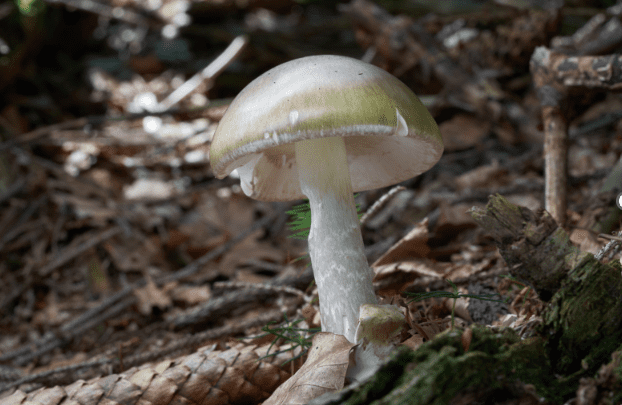
Health authorities have identified the culprit behind these poisonings as the death cap mushroom, scientifically known as Amanita phalloides. This species is notorious for its high toxicity and is responsible for the majority of mushroom-related fatalities worldwide. Michael Stacey, the interim health officer for Sonoma County, emphasized that the current situation is particularly alarming due to an extraordinary boom in the prevalence of these deadly mushrooms.
Characteristics of Death Cap Mushrooms
Death cap mushrooms are often mistaken for edible varieties, which adds to the risk for foragers. They typically have a greenish-yellow cap and a smooth, pale stem, making them resemble several safe-to-eat species. This similarity can lead to tragic consequences when individuals misidentify them during foraging expeditions. The toxic compounds found in death cap mushrooms, particularly alpha-amanitin, can cause severe liver and kidney damage, often leading to death if not treated promptly.
Symptoms of Mushroom Poisoning
The symptoms of mushroom poisoning can vary significantly depending on the type of mushroom ingested. In the case of death cap mushrooms, symptoms may not appear until 6 to 12 hours after consumption, which can delay treatment and worsen outcomes. Common symptoms include:
- Nausea and vomiting
- Abdominal pain
- Diarrhea
- Jaundice (yellowing of the skin and eyes)
- Confusion and lethargy
As the poison progresses, individuals may experience liver failure, requiring emergency medical interventions such as liver transplants, which have already been necessary for three of the affected individuals in this outbreak.
Historical Context of Mushroom Poisoning in California
Historically, California has seen relatively few cases of mushroom poisoning. On average, the state reports fewer than five cases annually. The recent spike in incidents has raised alarm among health officials and the public alike. The increase can be attributed to several factors, including a rise in foraging activities, particularly during the fall and winter months when mushrooms are more abundant.
Foraging Trends and Risks
The growing popularity of foraging has been fueled by a trend toward organic and locally sourced food. Many individuals are eager to explore the outdoors and gather their own ingredients, but this enthusiasm can lead to dangerous situations if proper precautions are not taken. The lack of knowledge about mushroom identification poses a significant risk, as many foragers may not be adequately trained to distinguish between edible and toxic varieties.
Public Health Response
In light of the ongoing crisis, health officials are urging the public to exercise caution when foraging for mushrooms. Educational campaigns are being implemented to raise awareness about the dangers of consuming wild mushrooms and to provide guidance on safe foraging practices. These initiatives aim to inform the community about the importance of proper identification and the potential risks associated with mushroom consumption.
Recommendations for Safe Foraging
To mitigate the risks associated with foraging, health officials recommend the following guidelines:
- Always consult a knowledgeable expert or guidebook before consuming any wild mushrooms.
- Be aware of the characteristics of toxic mushrooms, particularly the death cap.
- Consider joining local foraging groups or workshops to gain hands-on experience and knowledge.
- Avoid consuming any wild mushrooms unless you are 100% certain of their identity.
- Educate friends and family about the dangers of mushroom poisoning.
Community Reactions
The recent deaths and poisonings have sparked a wave of concern within the community. Many residents are expressing their shock and sadness over the fatalities, particularly as they relate to a seemingly innocuous activity like foraging. Local foraging groups have begun to hold meetings to discuss safety measures and share experiences, emphasizing the importance of community education in preventing future incidents.
Expert Opinions
Experts in mycology and toxicology have weighed in on the situation, stressing the need for increased awareness and education surrounding wild mushrooms. Dr. Jane Smith, a mycologist at a local university, stated, “Foraging can be a rewarding experience, but it comes with significant risks. It is crucial for individuals to understand what they are picking and to be aware of the potential dangers.”
Implications for Public Health Policy
The mushroom poisoning crisis has broader implications for public health policy in California. As foraging becomes more popular, there is a pressing need for regulatory measures to ensure the safety of individuals engaging in this activity. Health officials are considering various strategies, including:
- Implementing mandatory training programs for foragers.
- Creating public awareness campaigns targeting high-risk populations.
- Collaborating with local organizations to promote safe foraging practices.
These measures aim to reduce the incidence of mushroom poisoning and protect public health while allowing individuals to enjoy the benefits of foraging.
Conclusion
The recent surge in mushroom poisonings in California serves as a stark reminder of the potential dangers associated with foraging. As the state grapples with this crisis, it is essential for individuals to prioritize safety and education when engaging in this popular activity. By raising awareness and promoting responsible foraging practices, the community can work together to prevent further tragedies and ensure that the joys of foraging do not come at the cost of health and safety.
Source: Original report
Was this helpful?
Explore more: More General Technology Tech News Blog
Last Modified: January 13, 2026 at 6:36 pm
17 views