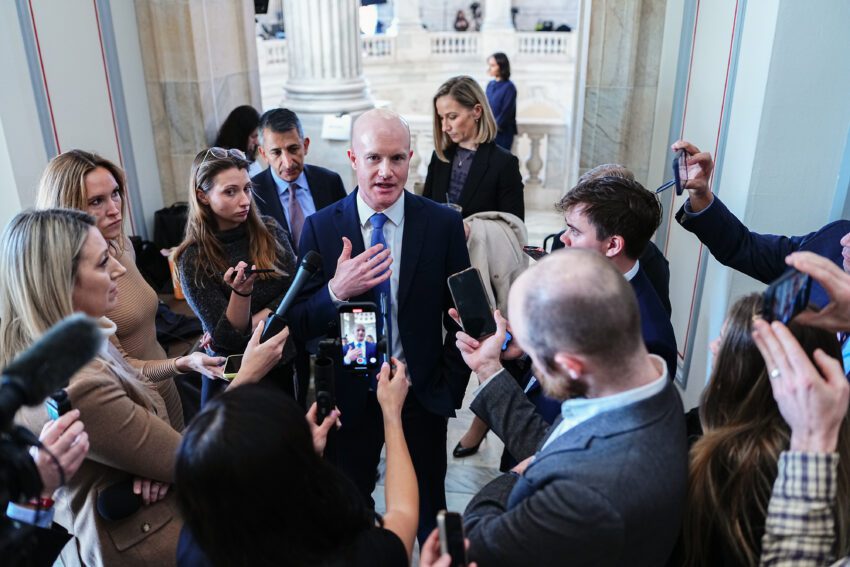
why coinbase derailed the crypto industry s The anticipated passage of the CLARITY Act in January 2026 was poised to reshape the regulatory landscape for the cryptocurrency industry in the United States, but Coinbase’s recent actions have thrown a wrench into these plans.
why coinbase derailed the crypto industry s
The CLARITY Act: A Turning Point for Crypto Regulation
The CLARITY Act represents a significant legislative effort aimed at providing a clear framework for the operation of digital assets in the U.S. This proposed law sought to delineate which digital assets would be classified as securities versus commodities, thereby establishing a legal foundation for how cryptocurrency companies could operate. It also aimed to clarify the regulatory responsibilities that these companies would need to adhere to, as well as the legal protections afforded to consumers.
In the months leading up to January, the House of Representatives had already passed its version of the bill, and the White House signaled its readiness to support the legislation. Bipartisan agreement on the fundamental aspects of the bill indicated a rare moment of unity in a highly polarized political environment. The crypto industry, which has spent years navigating a complex and often ambiguous regulatory landscape, viewed the CLARITY Act as a potential turning point that could foster innovation and investment.
Coinbase’s Role in the Legislative Process
As one of the largest cryptocurrency exchanges in the world, Coinbase has been at the forefront of discussions regarding crypto regulation. CEO Brian Armstrong has been an outspoken advocate for clearer regulatory guidelines, arguing that a well-defined legal framework would not only benefit companies like Coinbase but also protect consumers and promote responsible innovation.
However, as January approached, Coinbase’s stance began to shift. Reports indicated that the company was lobbying against certain provisions of the CLARITY Act, particularly those that it perceived as overly restrictive. This unexpected turn of events raised questions about the company’s commitment to the broader crypto industry’s interests and its willingness to engage in collaborative efforts to shape effective regulation.
Implications of Coinbase’s Actions
Coinbase’s lobbying efforts have significant implications for the future of the crypto industry in the U.S. By opposing certain provisions of the CLARITY Act, the company risks undermining the very framework that could provide clarity and stability to the market. Industry insiders have expressed concern that Coinbase’s actions could lead to a fragmented regulatory environment, where different states adopt varying rules, creating confusion for consumers and businesses alike.
Stakeholder Reactions
The response from various stakeholders has been mixed. Some industry advocates have voiced their disappointment with Coinbase’s decision to lobby against the CLARITY Act. They argue that the company should be working collaboratively with lawmakers to ensure that the legislation strikes a balance between innovation and consumer protection. These advocates believe that a unified approach is essential for the long-term viability of the crypto market.
On the other hand, some supporters of Coinbase’s position argue that the company is merely looking out for its own interests. They contend that the provisions it opposes could stifle innovation and limit the ability of companies to operate freely in a rapidly evolving market. This perspective highlights the tension between regulatory oversight and the need for a conducive environment for technological advancement.
Historical Context: The Evolution of Crypto Regulation
The cryptocurrency industry has faced a tumultuous regulatory journey since Bitcoin’s inception in 2009. Initially viewed with skepticism, digital assets have gradually gained acceptance among investors, businesses, and regulators. However, the lack of a cohesive regulatory framework has led to uncertainty, with various agencies claiming jurisdiction over different aspects of the market.
In the early days, the Securities and Exchange Commission (SEC) took a cautious approach, focusing primarily on initial coin offerings (ICOs) and their potential to defraud investors. As the market matured, other regulatory bodies, including the Commodity Futures Trading Commission (CFTC), began to assert their authority over cryptocurrency derivatives and trading. This patchwork of regulations has created confusion and hindered the industry’s growth.
The Need for Clarity
The introduction of the CLARITY Act was seen as a response to this need for clarity. By establishing a clear framework for digital assets, the legislation aimed to eliminate ambiguity and provide a stable environment for innovation. The potential benefits of such a framework are manifold:
- Investor Protection: Clear regulations would help protect consumers from fraud and scams, fostering trust in the market.
- Encouraging Innovation: A well-defined legal environment would allow companies to innovate without fear of regulatory backlash.
- Attracting Investment: Investors are more likely to engage with a market that has clear rules and protections in place.
The Future of Crypto Regulation
The future of crypto regulation in the U.S. remains uncertain, particularly in light of Coinbase’s recent actions. While the CLARITY Act has the potential to provide a much-needed framework, the company’s lobbying efforts could complicate the legislative process. If Coinbase continues to oppose key provisions, it may lead to a prolonged negotiation period, delaying the enactment of the law.
Potential Outcomes
Several potential outcomes could arise from this situation:
- Compromise Legislation: Lawmakers may seek to negotiate a compromise that addresses Coinbase’s concerns while still providing a framework for the broader industry.
- Fragmented Regulations: If the CLARITY Act fails to pass in a form acceptable to Coinbase, the result could be a fragmented regulatory landscape, with states enacting their own rules.
- Increased Lobbying: Other companies in the crypto space may feel compelled to engage in lobbying efforts, leading to a more complex and contentious regulatory environment.
Conclusion: A Pivotal Moment for the Crypto Industry
The unfolding situation surrounding the CLARITY Act and Coinbase’s lobbying efforts marks a pivotal moment for the cryptocurrency industry. As stakeholders navigate the complexities of regulation, the outcome of this legislative effort will have far-reaching implications for the future of digital assets in the United States. The balance between innovation and regulatory oversight remains delicate, and how this balance is struck will shape the trajectory of the crypto market for years to come.
Source: Original report
Was this helpful?
Last Modified: January 18, 2026 at 11:40 pm
4 views