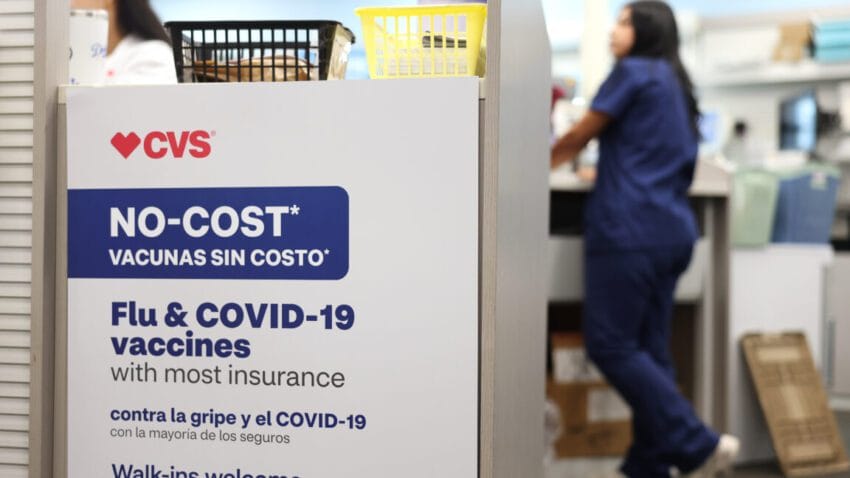
who can get a covid vaccine-and how As fall approaches and COVID cases tick up, the landscape surrounding COVID-19 vaccinations has become increasingly complex, particularly with recent changes in health leadership.
who can get a covid vaccine-and how
Current Vaccination Landscape
The COVID-19 vaccine has been a cornerstone in the fight against the pandemic, with annual updates to the shots designed to combat emerging variants. Historically, these vaccines have been accessible to anyone over the age of six months, allowing for widespread community immunity. Most individuals could receive the vaccine at no cost by simply walking into their local pharmacy, a model that facilitated high vaccination rates across the country.
However, as the 2025 vaccination season approaches, the situation has shifted dramatically. With Robert F. Kennedy Jr. now serving as the country’s top health official, the vaccination landscape has been altered significantly. Kennedy, known for his strong anti-vaccine stance, has taken steps to dismantle the existing vaccination infrastructure, raising concerns among public health officials and the general populace alike.
Changes Under New Leadership
Since assuming office, Kennedy has implemented policies that restrict access to COVID-19 vaccines, particularly targeting healthy children and pregnant individuals. In a controversial move, he announced these changes not through traditional federal channels but via a video posted on Elon Musk’s X platform. This unconventional method of communication has raised eyebrows and sparked outrage among health professionals.
Officials at the Centers for Disease Control and Prevention (CDC), the agency responsible for setting federal vaccination recommendations, reported that they learned about these changes through social media rather than official announcements. This lack of transparency has led to confusion and concern regarding the future of vaccination policies in the United States.
Implications of Restricted Access
The implications of Kennedy’s decisions are far-reaching. By limiting access to vaccines for specific demographics, the risk of COVID-19 outbreaks increases, particularly among vulnerable populations. Healthy children and pregnant individuals are critical groups for vaccination, as they can serve as vectors for virus transmission. The decision to restrict their access could lead to higher infection rates, hospitalizations, and even fatalities.
Moreover, this shift in policy could undermine public confidence in vaccines. The CDC has long been a trusted source of information regarding vaccinations, and any perceived erosion of its authority could lead to increased vaccine hesitancy. This hesitancy could have a cascading effect, not only on COVID-19 vaccinations but also on other essential immunizations that protect against diseases such as measles, mumps, and rubella.
Public Health Concerns
Public health experts have voiced their concerns about the potential consequences of Kennedy’s policies. Dr. Anthony Fauci, former director of the National Institute of Allergy and Infectious Diseases, emphasized the importance of maintaining robust vaccination programs to ensure community immunity. He noted that any reduction in vaccination rates could lead to a resurgence of diseases that were previously under control.
Furthermore, the CDC has been instrumental in promoting vaccine education and outreach. The agency’s efforts to dispel myths and misinformation surrounding vaccines have been crucial in achieving high vaccination rates. The recent changes could hinder these efforts, making it more challenging to reach communities that are already hesitant about vaccines.
Stakeholder Reactions
The reactions from various stakeholders have been mixed. Public health officials, healthcare providers, and parents have expressed alarm over the new policies. Many healthcare providers worry that limiting vaccine access could lead to increased patient loads in hospitals, particularly during the fall and winter months when respiratory illnesses typically surge.
Parents, especially those with young children, are also concerned. Many have relied on the availability of vaccines to protect their families from COVID-19. The prospect of losing access to these vaccines has left them feeling anxious and uncertain about their children’s health.
Political Repercussions
The political ramifications of Kennedy’s actions are also noteworthy. His decisions have sparked debates within Congress and among state governments. Some lawmakers have called for hearings to investigate the implications of restricting vaccine access, while others have expressed support for Kennedy’s stance, citing personal freedoms and parental rights.
This division highlights the broader societal debate surrounding vaccines and public health. As the nation grapples with the consequences of these policies, the discourse around vaccination is likely to intensify, with advocates on both sides of the issue mobilizing to voice their opinions.
Future of COVID-19 Vaccination
Looking ahead, the future of COVID-19 vaccination in the United States remains uncertain. With the CDC’s authority potentially undermined, the pathway for vaccine distribution and administration could face significant hurdles. The agency’s ability to recommend vaccines based on scientific evidence may be compromised, leading to a patchwork of vaccination policies across different states.
Additionally, the pharmaceutical companies that produce COVID-19 vaccines may face challenges in navigating the new landscape. If access to vaccines is restricted, it could impact their sales and the overall financial viability of vaccine production. This situation could lead to a decrease in research and development for future vaccines, potentially stalling progress in combating COVID-19 and other infectious diseases.
Community Response
Community response to the changing vaccination landscape will also play a crucial role in determining the effectiveness of public health measures. Grassroots organizations and advocacy groups are likely to mobilize in response to the new policies, aiming to educate the public about the importance of vaccinations and to counter misinformation.
Efforts to promote vaccine access and education will be essential in mitigating the potential negative effects of Kennedy’s policies. Community leaders, healthcare providers, and public health officials will need to work collaboratively to ensure that accurate information is disseminated and that individuals understand the importance of vaccination for their health and the health of their communities.
Conclusion
The current state of COVID-19 vaccination in the United States is fraught with challenges as the nation prepares for the fall season. With Robert F. Kennedy Jr. at the helm of health policy, access to vaccines has become a contentious issue, raising concerns among public health experts, healthcare providers, and parents alike. The implications of restricting access to vaccines for healthy children and pregnant individuals could have far-reaching consequences, potentially leading to increased infection rates and a decline in public confidence in vaccination.
As stakeholders respond to these changes, the future of COVID-19 vaccination will depend on the collective efforts of communities, healthcare providers, and public health officials to advocate for the importance of vaccines and to ensure that access remains available to those who need it most.
Source: Original report
Was this helpful?
Explore more: More General Technology Tech News Blog
Last Modified: September 8, 2025 at 6:30 pm
3 views