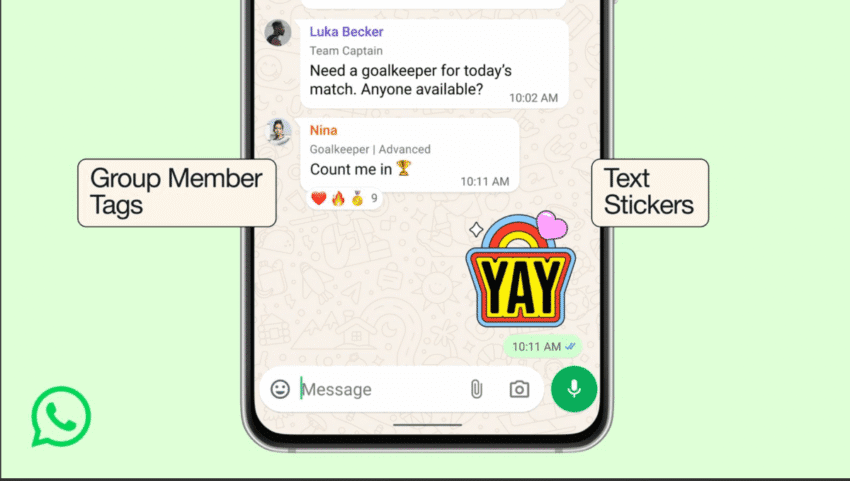
whatsapp rolls out new group chat features WhatsApp has introduced new features aimed at enhancing the group chat experience, including member tags that provide context about participants.
whatsapp rolls out new group chat features
Overview of the New Features
WhatsApp’s latest update focuses on improving group interactions by allowing users to tag members within chats. This feature is designed to enhance communication by providing additional context about each participant, making it easier for users to identify roles and responsibilities within the group. The introduction of member tags is part of WhatsApp’s ongoing efforts to streamline group management and foster better engagement among users.
Member Tags Explained
Member tags allow users to assign specific identifiers to group members, which can help clarify their roles or contributions within the chat. For instance, a user might tag someone as “Admin,” “Event Coordinator,” or “Project Lead.” This feature is particularly useful in larger groups where the sheer number of participants can make it challenging to keep track of who is who.
When a member is tagged, other participants in the chat can see the context associated with that individual. This not only aids in communication but also helps in organizing discussions around specific topics or tasks. For example, if a group is planning an event, tagging members with relevant roles can streamline the conversation and ensure that the right people are involved in decision-making processes.
Implications for Group Management
The introduction of member tags has significant implications for how users manage group chats. With the ability to assign tags, group administrators can maintain a clearer structure within the chat, which can lead to more efficient communication. This is especially beneficial for professional groups or teams that rely on WhatsApp for collaboration.
Enhanced Organization
By using member tags, groups can achieve a higher level of organization. For example, in a project management group, members can be tagged based on their specific tasks or roles. This can help in directing questions or updates to the appropriate individuals, thereby reducing confusion and ensuring that everyone is on the same page.
Improved Engagement
Furthermore, member tags can enhance engagement within the group. When users know their roles are recognized and defined, they may feel more inclined to participate actively in discussions. This can lead to a more dynamic and collaborative environment, where ideas are shared freely, and contributions are acknowledged.
Stakeholder Reactions
The rollout of member tags has garnered mixed reactions from users and industry experts alike. Many users appreciate the added context that tags provide, viewing it as a positive step toward improving group dynamics. However, some have expressed concerns about potential misuse of the feature.
User Feedback
In online forums and social media platforms, users have shared their thoughts on the new tagging feature. Supporters argue that it simplifies communication, especially in larger groups where it can be difficult to remember everyone’s role. They believe that member tags will make it easier to direct questions and comments to the right individuals, thereby enhancing the overall chat experience.
Conversely, some users worry about the implications of tagging. Concerns have been raised about privacy and the potential for misuse, such as tagging someone inappropriately or without their consent. This has led to discussions about the need for clear guidelines on how to use the tagging feature responsibly.
Expert Opinions
Industry experts have weighed in on the significance of WhatsApp’s new features. Many see the introduction of member tags as a strategic move to compete with other messaging platforms that offer similar functionalities. By enhancing group chat capabilities, WhatsApp aims to retain its user base and attract new users who seek more organized communication tools.
Experts also note that the success of the member tags feature will depend on how well users adapt to it. If users embrace the tagging system and use it effectively, it could lead to a more structured and efficient communication environment. However, if the feature is misused or misunderstood, it could lead to confusion and frustration among group members.
Contextualizing the Update
WhatsApp’s decision to roll out member tags comes at a time when digital communication tools are increasingly vital for both personal and professional interactions. With the rise of remote work and virtual collaboration, messaging platforms are evolving to meet the needs of users who require more robust features for group communication.
Comparative Analysis with Other Platforms
Other messaging platforms, such as Slack and Microsoft Teams, have long offered features that allow users to tag or mention individuals within group chats. These platforms have successfully integrated tagging systems that enhance collaboration and streamline communication among team members. By introducing member tags, WhatsApp is positioning itself as a more competitive player in the messaging app market.
Moreover, the addition of member tags aligns with WhatsApp’s broader strategy of enhancing user experience through continuous updates. The platform has previously introduced features such as voice and video calls, file sharing, and status updates, all aimed at improving user engagement and functionality.
Future Developments
As WhatsApp continues to evolve, it is likely that we will see further enhancements to group chat features. The introduction of member tags may be just the beginning, as the platform explores additional functionalities that can improve user experience. Potential future updates could include:
- Customizable Tags: Allowing users to create their own tags for even more personalized group management.
- Tagging Notifications: Implementing notifications for users when they are tagged, ensuring they do not miss important messages.
- Tagging Analytics: Providing group administrators with insights into how often members are tagged, which could help in assessing participation levels.
These potential developments could further solidify WhatsApp’s position as a leading communication tool, particularly for group interactions.
Conclusion
The rollout of member tags in WhatsApp group chats represents a significant step forward in enhancing user experience and improving communication dynamics. By providing context about group members, WhatsApp aims to create a more organized and engaging environment for users. While the feature has received a mix of reactions, its potential benefits for group management and collaboration are clear.
As users adapt to this new functionality, it will be interesting to observe how it influences group dynamics and communication patterns. WhatsApp’s commitment to continuous improvement suggests that this is just one of many updates to come, as the platform seeks to remain relevant in an ever-evolving digital landscape.
Source: Original report
Was this helpful?
Explore more: Software Development More Software Development Tech News
Last Modified: January 7, 2026 at 9:44 pm
21 views