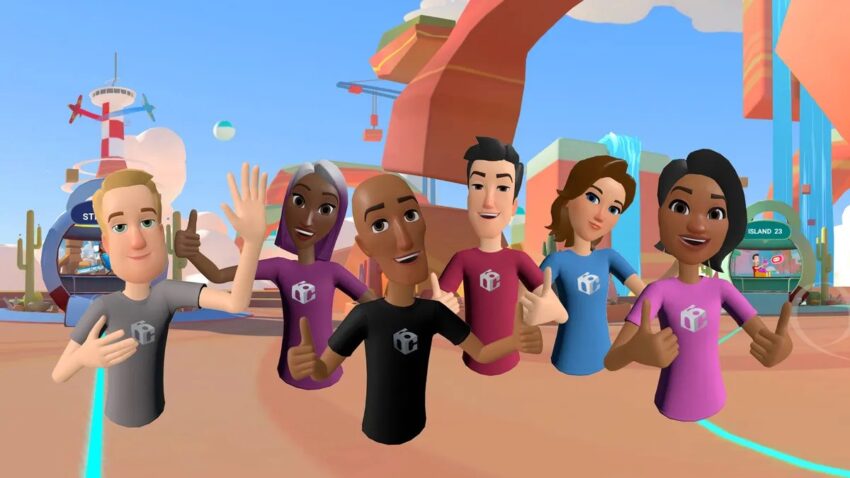
well there goes the metaverse The metaverse, once heralded as the next frontier of digital interaction, is facing significant challenges as virtual reality (VR) technologies struggle to maintain relevance in the wake of rapid advancements in artificial intelligence (AI).
well there goes the metaverse
The Rise and Fall of the Metaverse Concept
The concept of the metaverse gained traction in the early 2020s, fueled by the promise of immersive digital environments where users could socialize, work, and play. Tech giants, most notably Meta (formerly Facebook), invested heavily in VR and augmented reality (AR) technologies, envisioning a future where these platforms would revolutionize human interaction. However, the landscape has shifted dramatically, with AI emerging as the dominant force in technology.
Meta’s CEO, Mark Zuckerberg, famously rebranded the company to emphasize its commitment to building the metaverse, signaling a pivot from social media to a more expansive digital universe. This shift was marked by substantial investments in VR hardware, software, and content creation. The company launched the Meta Quest series of headsets, aiming to provide users with an unparalleled immersive experience.
Challenges Faced by Meta’s VR Ambitions
Despite these ambitious plans, Meta’s VR initiatives have encountered numerous obstacles:
- High Costs: The development and production of VR headsets and associated technologies require significant financial resources. Meta’s investments have not yet yielded the expected returns, leading to questions about the sustainability of its VR strategy.
- User Adoption: While VR technology has made strides, widespread adoption remains elusive. Many consumers are hesitant to invest in expensive headsets, and the content available for VR platforms has not yet reached a level that justifies the cost.
- Technical Limitations: Current VR technologies often suffer from issues such as motion sickness, limited battery life, and cumbersome hardware. These limitations hinder the user experience, making it difficult for VR to compete with more accessible technologies.
The AI Revolution
As Meta struggled to gain traction in the VR space, AI technology surged ahead, capturing the attention of consumers and businesses alike. AI applications have become increasingly sophisticated, offering solutions that enhance productivity, creativity, and user engagement. The rise of generative AI, in particular, has transformed how individuals interact with technology.
Generative AI models, such as OpenAI’s ChatGPT and DALL-E, have demonstrated remarkable capabilities in content creation, language processing, and image generation. These advancements have made AI tools more appealing and accessible to a broader audience, overshadowing the allure of VR experiences.
Implications for the Metaverse
The growing prominence of AI has profound implications for the future of the metaverse:
- Shift in User Preferences: As users become more accustomed to AI-driven applications, their expectations for digital experiences evolve. The immersive environments of the metaverse may no longer hold the same appeal when users can engage with AI in more intuitive and efficient ways.
- Resource Allocation: Companies that once focused on VR are now reallocating resources to AI development. This shift in focus could lead to a decline in innovation within the metaverse space, further exacerbating its challenges.
- Integration of AI in VR: While VR and AI can coexist, the integration of AI into VR experiences may be necessary for the metaverse to remain relevant. However, this requires significant investment and innovation, which may not be forthcoming given the current climate.
Stakeholder Reactions
The changing dynamics of the tech landscape have elicited varied reactions from stakeholders, including investors, developers, and consumers. Many investors are expressing concerns about the viability of Meta’s VR strategy, particularly as the company faces increasing competition from AI-focused startups and established tech firms.
Developers, too, are reassessing their priorities. With the rapid evolution of AI technologies, many are pivoting towards creating AI-driven applications rather than investing time and resources into VR content. This shift could lead to a scarcity of high-quality VR experiences, further diminishing the appeal of the metaverse.
Consumers are also caught in this transition. While some remain enthusiastic about the potential of VR, many are increasingly drawn to the convenience and accessibility of AI tools. The disparity in user experience between AI applications and VR environments may lead to a decline in interest in the metaverse.
The Future of the Metaverse
As the metaverse grapples with these challenges, its future remains uncertain. Several potential scenarios could unfold:
1. Integration of AI and VR
One possibility is the successful integration of AI into VR experiences. By leveraging AI to enhance user interactions, create dynamic environments, and personalize experiences, the metaverse could regain relevance. This would require significant investment in research and development, as well as collaboration between AI and VR developers.
2. A Shift Towards Hybrid Experiences
Another scenario involves a shift towards hybrid experiences that combine elements of both AI and VR. For instance, virtual environments could be enhanced with AI-driven avatars that respond to user inputs in real-time, creating a more engaging experience. This approach could attract users who are interested in both technologies.
3. Decline of the Metaverse Concept
Conversely, the metaverse could face a decline as interest wanes and investment diminishes. If companies continue to prioritize AI over VR, the metaverse may become an afterthought, relegated to niche applications rather than a mainstream platform for interaction.
Conclusion
The metaverse, once seen as the next big thing in technology, is now at a crossroads. As AI continues to dominate the tech landscape, the challenges facing VR and the metaverse become increasingly pronounced. Stakeholders must navigate these complexities carefully, considering the implications of their decisions on the future of digital interaction.
While the potential for the metaverse remains, it will require innovative solutions and a willingness to adapt to the changing technological environment. The coming years will be critical in determining whether the metaverse can evolve to meet the demands of a rapidly changing digital landscape or whether it will fade into obscurity as AI takes center stage.
Source: Original report
Was this helpful?
Explore more: More General Technology Tech News Blog
Last Modified: January 20, 2026 at 1:46 am
13 views