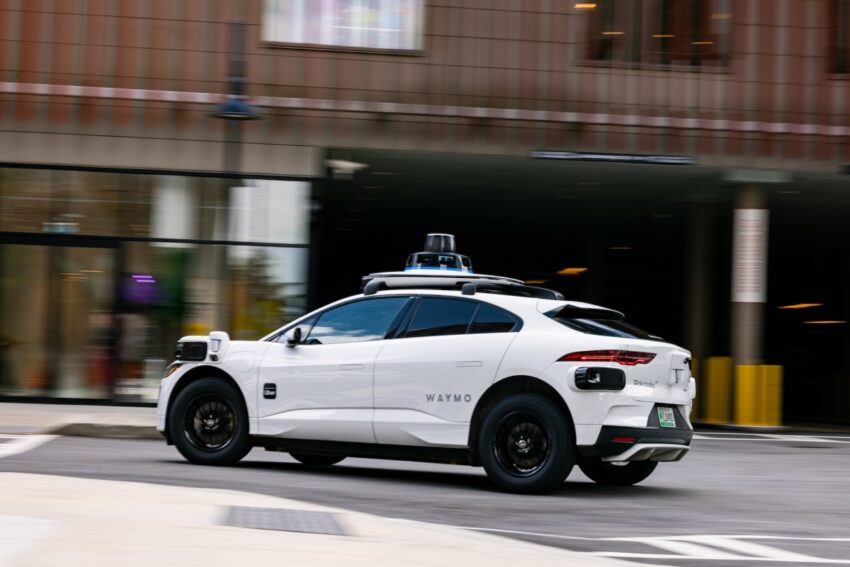
waymo to issue software recall over how Waymo has announced a voluntary software recall for its robotaxi service, addressing concerns regarding the behavior of its autonomous vehicles around school buses.
waymo to issue software recall over how
Background on Waymo’s Robotaxi Service
Waymo, a subsidiary of Alphabet Inc., has been at the forefront of autonomous vehicle technology since its inception. The company launched its robotaxi service in select cities, aiming to provide a safe and efficient transportation alternative. With a fleet of self-driving cars, Waymo has garnered attention for its innovative approach to urban mobility.
However, as the technology has evolved, so have the challenges associated with it. The deployment of autonomous vehicles in public spaces has raised numerous questions about safety, regulatory compliance, and the interactions between these vehicles and traditional road users, particularly vulnerable populations like children.
Recent Developments Leading to the Recall
The decision to issue a software recall comes amid increasing scrutiny from federal regulators and local school district officials. Concerns have been raised about how Waymo’s robotaxis respond when encountering school buses, especially during loading and unloading times. These interactions are critical as they involve children who may be crossing streets or waiting at bus stops.
Reports indicated that some Waymo vehicles exhibited unpredictable behavior when approaching school buses, which could pose safety risks. For instance, there were instances where the vehicles did not adequately yield or slow down, raising alarms among parents and school officials.
Details of the Software Recall
Waymo’s software recall aims to address these specific behavioral issues. The company has stated that it will roll out an update to its fleet that enhances the vehicle’s algorithms for recognizing and responding to school buses. This update is designed to improve the vehicles’ ability to identify when a bus is stopped and when children may be boarding or disembarking.
The recall is voluntary, but it reflects Waymo’s commitment to safety and responsiveness to community concerns. The company has emphasized that it is taking proactive measures to ensure that its vehicles operate safely around school buses, particularly during peak hours when children are most likely to be present.
Technical Aspects of the Update
The software update will incorporate advanced machine learning techniques to better interpret the behavior of school buses. This includes:
- Enhanced Object Recognition: The update will improve the vehicle’s ability to recognize school buses and their associated signals, such as flashing lights and stop signs.
- Predictive Algorithms: The software will utilize predictive algorithms to anticipate the actions of children and other pedestrians in the vicinity of school buses.
- Improved Decision-Making: The update will refine the decision-making processes of the vehicle, ensuring it can respond appropriately to various scenarios involving school buses.
Stakeholder Reactions
The announcement of the recall has elicited a range of reactions from stakeholders, including parents, school officials, and regulatory bodies.
Parents and Community Concerns
Many parents have expressed relief at the news of the software update. Concerns about the safety of their children while waiting for or boarding school buses have been a significant issue. One parent stated, “It’s reassuring to know that Waymo is taking these concerns seriously. Our children’s safety should always come first.”
Community leaders have echoed these sentiments, emphasizing the importance of ensuring that autonomous vehicles can coexist safely with traditional transportation methods. Local school districts have been particularly vocal, advocating for measures that prioritize student safety.
Regulatory Perspectives
Federal regulators have also weighed in on the situation. The National Highway Traffic Safety Administration (NHTSA) has been closely monitoring the deployment of autonomous vehicles and their interactions with vulnerable road users. A spokesperson noted, “We support efforts by companies like Waymo to enhance safety features in their vehicles. It is crucial that autonomous technology evolves in a manner that prioritizes public safety.”
Regulatory bodies are likely to increase their scrutiny of autonomous vehicle operations, particularly in school zones, as they seek to establish guidelines that ensure the safe integration of these technologies into everyday life.
Implications for the Future of Autonomous Vehicles
This recall and the subsequent software update could have broader implications for the future of autonomous vehicles. As companies like Waymo continue to innovate, they must also navigate the complexities of public perception and regulatory oversight.
One significant implication is the potential for increased regulatory frameworks surrounding autonomous vehicle operations. As more incidents and concerns arise, regulators may feel compelled to establish stricter guidelines for how these vehicles interact with traditional road users, particularly in sensitive areas like school zones.
Public Trust and Acceptance
Another critical aspect is public trust. Incidents involving autonomous vehicles can significantly impact public perception and acceptance of the technology. Waymo’s proactive approach to addressing safety concerns may help bolster confidence in its services. However, the company must remain vigilant and responsive to any further issues that may arise.
Building trust will require ongoing communication with the community, transparency in operations, and a commitment to safety. Waymo has already taken steps in this direction by engaging with local stakeholders and responding to feedback from parents and school officials.
Conclusion
The voluntary software recall by Waymo highlights the challenges and responsibilities associated with deploying autonomous vehicles in public spaces. As the company works to enhance the safety of its robotaxi service, it must balance innovation with the need for public safety and regulatory compliance. The implications of this recall extend beyond Waymo, as they may shape the future landscape of autonomous vehicle regulations and public acceptance.
As Waymo moves forward with its software update, the eyes of regulators, parents, and the broader public will be on the company to see how effectively it can address these critical safety concerns. The success of this initiative could serve as a benchmark for other companies in the autonomous vehicle space, emphasizing the importance of safety and community engagement in the development of new technologies.
Source: Original report
Was this helpful?
Last Modified: December 6, 2025 at 4:36 am
1 views