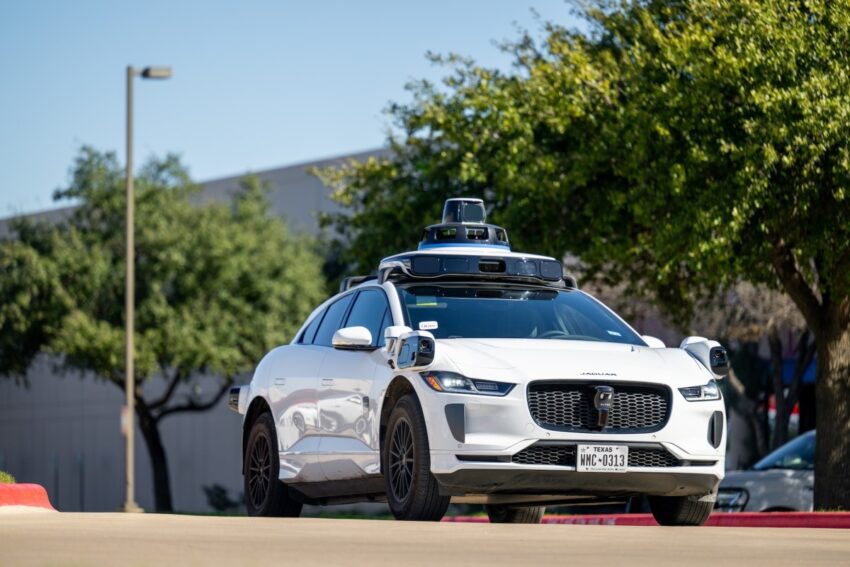
waymo is asking doordash drivers to shut Waymo is taking steps to ensure the smooth operation of its self-driving vehicles by requesting DoorDash drivers to assist in closing the doors of its autonomous cars.
waymo is asking doordash drivers to shut
Background on Waymo’s Autonomous Vehicles
Waymo, a subsidiary of Alphabet Inc., has been at the forefront of developing self-driving technology since its inception. The company’s mission is to make transportation safer and more accessible through the use of autonomous vehicles. Waymo’s fleet operates in select cities, providing ride-hailing services and partnerships with delivery companies like DoorDash.
As self-driving technology continues to evolve, the operational challenges faced by these vehicles have become more apparent. One such challenge is the management of vehicle doors, particularly in scenarios where passengers or delivery personnel may inadvertently leave the doors open. This situation can lead to significant operational delays and safety concerns.
The Issue of Open Doors
When a passenger or driver leaves a Waymo vehicle door open, the autonomous system can become confused and may not know how to proceed. This confusion can result in the vehicle becoming immobilized, effectively “stuck” in place until the door is closed. Such incidents not only disrupt the service but also create potential safety hazards on the road.
Waymo’s technology relies heavily on sensors and algorithms to navigate and make decisions in real-time. However, the presence of an open door can interfere with the vehicle’s ability to accurately assess its environment. The vehicle’s systems may interpret the open door as a malfunction or an obstruction, prompting it to halt operations until the issue is resolved.
Implications for Operations
The request for DoorDash drivers to close the doors of Waymo’s self-driving cars highlights the importance of human intervention in the operation of autonomous vehicles. While the technology is designed to minimize the need for human oversight, certain scenarios still require human involvement to ensure smooth operations.
This collaboration between Waymo and DoorDash is particularly significant as it underscores the evolving nature of delivery services in the age of automation. As more companies integrate autonomous vehicles into their logistics and delivery operations, the need for clear communication and cooperation between human drivers and automated systems will become increasingly crucial.
Stakeholder Reactions
The response from stakeholders, including DoorDash drivers and Waymo, has been mixed. Some DoorDash drivers have expressed concern about the added responsibility of ensuring that vehicle doors are closed. They argue that this task should be managed by the autonomous system itself, as it is designed to operate independently.
On the other hand, Waymo has emphasized the importance of collaboration in the transition to fully autonomous operations. The company believes that involving human drivers in certain aspects of the process can enhance overall safety and efficiency. By requesting DoorDash drivers to assist with door management, Waymo aims to create a more seamless experience for both drivers and passengers.
Technological Considerations
From a technological standpoint, the issue of open doors raises questions about the robustness of current autonomous systems. Waymo’s vehicles are equipped with advanced sensors and machine learning algorithms designed to handle a variety of scenarios. However, the open door situation reveals a limitation in the system’s ability to adapt to unexpected conditions.
As the industry progresses, it will be essential for companies like Waymo to address these limitations. Continuous improvements in sensor technology, software algorithms, and vehicle design will be necessary to enhance the reliability of autonomous systems. This includes developing solutions that can handle open doors or other unexpected obstacles without requiring human intervention.
Future of Autonomous Delivery Services
The partnership between Waymo and DoorDash represents a significant step toward the future of autonomous delivery services. As consumer demand for fast and efficient delivery continues to grow, companies are increasingly looking to automation as a solution. However, the integration of autonomous vehicles into existing delivery frameworks presents unique challenges that must be addressed.
Waymo’s request for DoorDash drivers to close vehicle doors is just one example of the complexities involved in this transition. As the industry evolves, it will be crucial for companies to find ways to streamline operations while ensuring safety and efficiency. This may involve rethinking the roles of human drivers and automated systems, as well as investing in new technologies that can enhance the overall delivery experience.
Regulatory Considerations
As autonomous vehicles become more prevalent, regulatory frameworks will need to adapt to accommodate these changes. Policymakers will face the challenge of creating guidelines that ensure the safety of both passengers and pedestrians while fostering innovation in the transportation sector.
Waymo’s collaboration with DoorDash may serve as a case study for regulators as they consider how to approach the integration of autonomous vehicles into existing transportation networks. The need for human oversight in certain situations, such as closing vehicle doors, may prompt discussions about the appropriate level of human involvement in autonomous operations.
Conclusion
Waymo’s initiative to ask DoorDash drivers to close the doors of its self-driving cars highlights the ongoing challenges and complexities associated with autonomous vehicle technology. While the goal of fully autonomous operations is within reach, the reality is that human intervention remains a critical component of the process.
As the industry continues to evolve, it will be essential for companies like Waymo to address the limitations of their technology while fostering collaboration with human drivers. The partnership with DoorDash serves as a reminder that the future of transportation will likely involve a blend of automation and human oversight, ensuring that safety and efficiency remain paramount.
Ultimately, the success of autonomous delivery services will depend on the ability of companies to navigate these challenges and create a seamless experience for all stakeholders involved. As Waymo and DoorDash work together to refine their operations, the lessons learned will undoubtedly shape the future of autonomous transportation.
Source: Original report
Was this helpful?
Explore more: DevOps Services More Cloud & DevOps Tech News
Last Modified: February 13, 2026 at 11:40 am
16 views