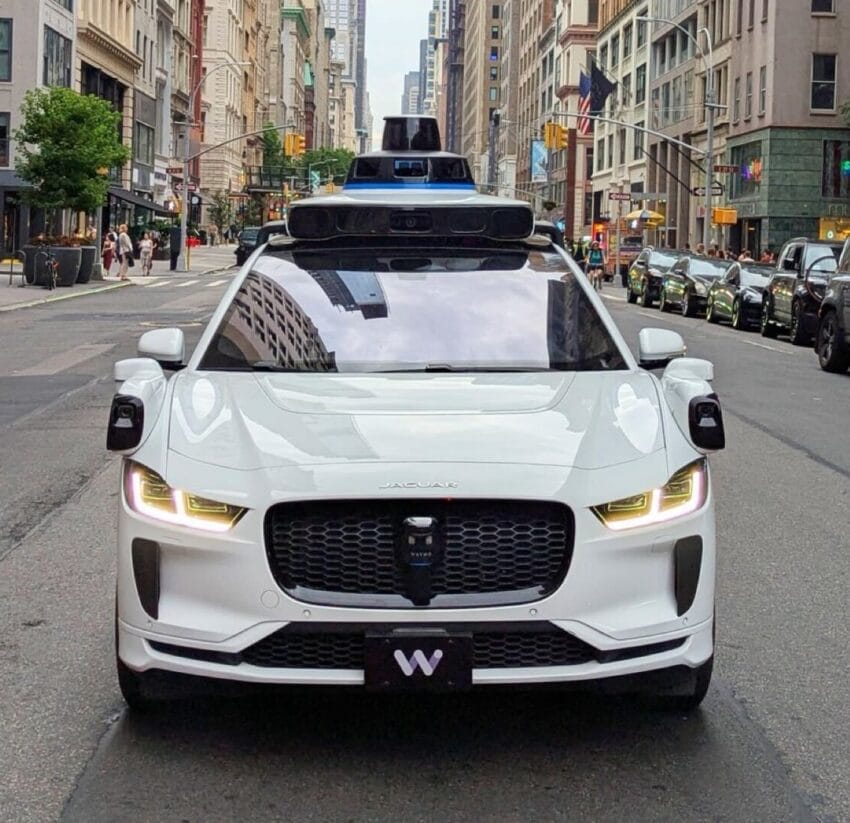
waymo can keep testing robotaxis in nyc Waymo has received an extension on its permit to test autonomous vehicles in New York City, allowing the company to continue its operations until the end of 2025.
waymo can keep testing robotaxis in nyc
Waymo’s Expansion in New York City
Waymo, a subsidiary of Alphabet Inc., has been at the forefront of autonomous vehicle technology. The recent extension of its testing permit in New York City marks a significant milestone for the company, which aims to expand its presence in one of the most challenging urban environments for self-driving technology. Originally granted permission to operate in the city, Waymo’s ability to continue testing its robotaxis until the end of 2025 reflects both the company’s commitment to innovation and the evolving regulatory landscape surrounding autonomous vehicles.
The Significance of the Extension
The extension of Waymo’s permit is crucial for several reasons. First, it allows the company to gather more data and refine its technology in a complex urban setting. New York City, with its dense population, diverse traffic patterns, and unique challenges, serves as an ideal testing ground for autonomous vehicles. The insights gained from operating in such an environment can help Waymo enhance the safety and efficiency of its self-driving systems.
Moreover, this extension signals a growing acceptance of autonomous vehicle technology by regulatory bodies. As cities around the world grapple with the implications of self-driving cars, the ability for companies like Waymo to operate legally and safely is essential for the future of urban mobility. The extension also provides Waymo with an opportunity to build partnerships with local stakeholders, including city officials, transportation agencies, and community organizations, which can facilitate smoother operations and broader acceptance of autonomous vehicles.
Regulatory Landscape for Autonomous Vehicles
The regulatory environment for autonomous vehicles has been evolving rapidly. In recent years, various states and municipalities have implemented different rules governing the testing and deployment of self-driving cars. New York City, in particular, has been cautious in its approach, prioritizing public safety while also recognizing the potential benefits of autonomous technology.
Challenges Faced by Waymo
Testing autonomous vehicles in New York City is not without its challenges. The city’s unique traffic conditions, including heavy congestion, unpredictable pedestrian behavior, and a multitude of cyclists, present significant hurdles for self-driving technology. Waymo’s vehicles must navigate these complexities while adhering to local traffic laws and ensuring the safety of all road users.
Additionally, public perception plays a crucial role in the acceptance of autonomous vehicles. Concerns about safety, reliability, and the potential impact on employment in the transportation sector are prevalent among residents. Waymo’s continued presence in the city provides an opportunity to engage with the community, address these concerns, and demonstrate the benefits of its technology.
Waymo’s Technology and Innovations
Waymo’s autonomous vehicle technology is built on years of research and development. The company utilizes a combination of sensors, cameras, and artificial intelligence to enable its vehicles to perceive their surroundings and make real-time decisions. This technology is continually evolving, with ongoing improvements in machine learning algorithms and sensor capabilities.
Data Collection and Analysis
One of the key advantages of extended testing in New York City is the ability to collect vast amounts of data. Waymo’s vehicles are equipped with advanced sensors that capture detailed information about their environment, including traffic patterns, road conditions, and interactions with other road users. This data is invaluable for refining the algorithms that power the company’s self-driving technology.
Waymo’s data collection efforts also extend to understanding how its vehicles interact with pedestrians, cyclists, and other vehicles. By analyzing this data, the company can improve its decision-making processes, making its autonomous vehicles safer and more reliable. The insights gained from operating in a bustling urban environment like New York City can inform future deployments in other cities, enhancing the overall effectiveness of Waymo’s technology.
Community Engagement and Public Perception
As Waymo continues its testing in New York City, community engagement will be a critical component of its strategy. Building trust with local residents and stakeholders is essential for the long-term success of autonomous vehicle technology. Waymo has already taken steps to engage with the community through outreach programs, informational sessions, and partnerships with local organizations.
Addressing Safety Concerns
Safety remains a top priority for Waymo and a significant concern for the public. The company has implemented rigorous safety protocols and testing procedures to ensure that its vehicles operate safely in urban environments. Additionally, Waymo has committed to transparency regarding its testing practices, sharing data and insights with the public to build confidence in its technology.
Waymo’s approach to safety includes extensive simulation testing, on-road testing, and collaboration with experts in the field. By demonstrating a commitment to safety and actively addressing concerns, Waymo aims to foster a positive perception of autonomous vehicles among New Yorkers.
Future Implications for Urban Mobility
The extension of Waymo’s testing permit in New York City has broader implications for the future of urban mobility. As cities face increasing congestion and environmental challenges, autonomous vehicles have the potential to transform transportation systems. By integrating self-driving technology into existing infrastructure, cities can enhance mobility options, reduce traffic congestion, and improve air quality.
Potential Benefits of Autonomous Vehicles
Autonomous vehicles offer several potential benefits, including:
- Reduced Traffic Congestion: By optimizing routes and reducing the number of vehicles on the road, autonomous vehicles can help alleviate congestion in urban areas.
- Improved Safety: With advanced sensors and AI, autonomous vehicles have the potential to reduce accidents caused by human error, making roads safer for everyone.
- Increased Accessibility: Autonomous vehicles can provide mobility options for individuals who may not be able to drive, including the elderly and disabled.
- Environmental Benefits: By promoting shared mobility and reducing reliance on personal vehicles, autonomous technology can contribute to lower emissions and improved air quality.
Stakeholder Reactions
The extension of Waymo’s permit has elicited a range of reactions from various stakeholders. City officials have generally expressed support for the continued testing of autonomous vehicles, recognizing the potential benefits for urban mobility. However, they also emphasize the importance of ensuring public safety and addressing community concerns.
Industry Perspectives
Industry experts view Waymo’s extension as a positive development for the autonomous vehicle sector. The ability to operate in a city as complex as New York demonstrates the maturity of Waymo’s technology and its readiness for broader deployment. Other companies in the autonomous vehicle space may look to Waymo’s experience in New York as a model for their own operations in urban environments.
Additionally, the extension may encourage further investment in autonomous vehicle technology, as stakeholders recognize the potential for innovation and growth in this sector. As more companies enter the market, competition will likely drive advancements in technology and safety, ultimately benefiting consumers.
Conclusion
Waymo’s extended permit to test autonomous vehicles in New York City until the end of 2025 represents a significant opportunity for the company to refine its technology and engage with the community. As the regulatory landscape for autonomous vehicles continues to evolve, Waymo’s presence in one of the world’s most challenging urban environments will provide valuable insights that can shape the future of urban mobility. By addressing safety concerns, fostering community engagement, and demonstrating the benefits of its technology, Waymo is positioning itself as a leader in the autonomous vehicle industry.
Source: Original report
Was this helpful?
Explore more: DevOps Services More Cloud & DevOps Tech News
Last Modified: October 1, 2025 at 10:45 pm
13 views