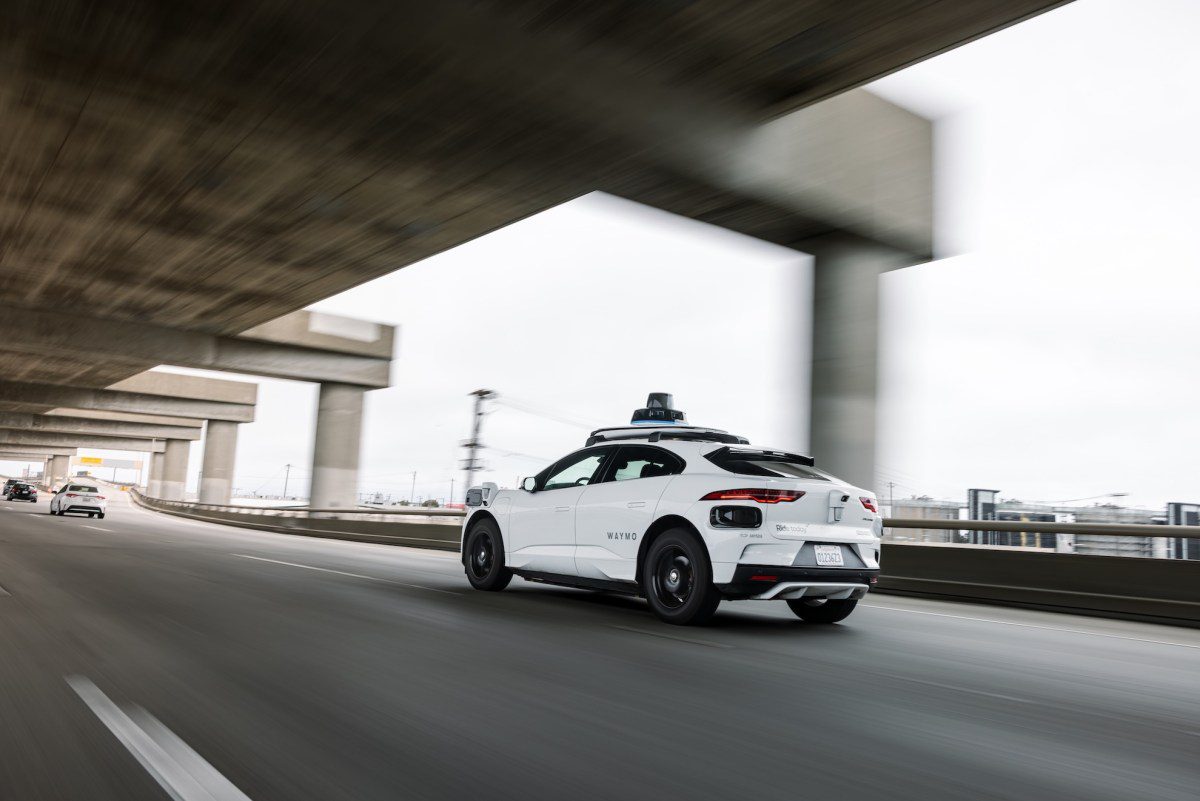
waymo built a virtual driver to study Waymo has developed a sophisticated virtual driver model aimed at understanding human reactions to unexpected situations on the road, enhancing the safety and efficacy of its autonomous vehicles.
waymo built a virtual driver to study
Overview of Waymo’s Innovations
Waymo, a leader in autonomous vehicle technology, has consistently pushed the boundaries of how machines interpret and interact with the world around them. The company has a rich history of creating advanced virtual systems designed to enhance the capabilities of its self-driving cars. These systems have been instrumental in helping the vehicles navigate complex environments and anticipate various scenarios that could arise during real-world driving.
Building Realistic 3D Environments
One of Waymo’s notable innovations is the creation of realistic 3D environments that simulate real-world conditions. These virtual worlds allow the company to test its autonomous vehicles against a variety of scenarios, including natural disasters and unpredictable edge cases. By immersing its vehicles in these meticulously crafted simulations, Waymo can better prepare its technology for the myriad challenges it may face on actual roads.
Hyperattentive Driver Model
In addition to creating realistic environments, Waymo has developed a virtual representation of a hyperattentive driver. This model serves as a benchmark against which the performance of its autonomous vehicles can be measured. By simulating a driver who is exceptionally alert and responsive, Waymo can evaluate how well its technology performs in crash avoidance scenarios. This comparison not only highlights the strengths of the autonomous systems but also identifies areas for improvement.
The New Cognitive Model
In a recent research paper published in Nature Communications, Waymo introduced a groundbreaking cognitive model that sheds light on how human drivers make rapid decisions to avoid collisions. This model is a significant advancement in understanding the cognitive processes involved in driving, particularly during unexpected situations.
Understanding Human Decision-Making
The cognitive model developed by Waymo aims to replicate the decision-making processes of human drivers. It focuses on the split-second judgments that drivers must make when faced with sudden obstacles or unexpected events on the road. By analyzing these reactions, Waymo hopes to improve the algorithms that govern its autonomous vehicles, making them more adept at handling similar situations.
Implications for Autonomous Driving
The implications of this research are profound. As autonomous vehicles become more prevalent, understanding human behavior in driving scenarios is crucial for developing systems that can effectively coexist with human drivers. By incorporating insights from the cognitive model into its technology, Waymo aims to enhance the safety and reliability of its vehicles.
Methodology Behind the Model
Waymo’s cognitive model is built on extensive research into human behavior and decision-making in driving contexts. The company utilized data from various driving scenarios to inform the development of this model. By analyzing how human drivers react in different situations, Waymo has been able to create a framework that mirrors these responses.
Data Collection and Analysis
The data collection process involved observing real-world driving behaviors and identifying key factors that influence decision-making. This included studying how drivers respond to sudden changes in their environment, such as a pedestrian unexpectedly stepping into the road or a vehicle abruptly stopping. By capturing these moments, Waymo was able to identify patterns and develop algorithms that reflect human-like decision-making.
Simulation Testing
Once the cognitive model was established, Waymo conducted a series of simulation tests to evaluate its effectiveness. These tests involved placing both the virtual driver model and the autonomous vehicles in various scenarios to assess their performance. The results provided valuable insights into how well the autonomous systems could mimic human reactions and whether they could improve upon them.
Stakeholder Reactions
The introduction of Waymo’s cognitive model has garnered attention from various stakeholders in the automotive and technology sectors. Industry experts and researchers have praised the initiative as a significant step forward in bridging the gap between human and machine driving behaviors.
Industry Experts’ Perspectives
Many industry experts believe that understanding human decision-making is essential for the future of autonomous driving. As vehicles become more integrated into everyday life, the ability to predict and respond to human actions will be critical. Experts have noted that Waymo’s research could serve as a valuable resource for other companies in the autonomous vehicle space, potentially leading to industry-wide advancements in safety and technology.
Regulatory Considerations
Regulators are also taking note of Waymo’s developments. As autonomous vehicles continue to be tested and deployed, regulatory bodies are increasingly focused on ensuring safety standards are met. Waymo’s cognitive model may provide a framework for establishing guidelines that govern how autonomous vehicles should respond in various driving scenarios, particularly those involving human drivers.
Future Directions
Waymo’s research into cognitive modeling is just one aspect of its broader strategy to enhance the capabilities of its autonomous vehicles. The company is committed to ongoing innovation and improvement, with several future directions in mind.
Integration with Existing Technologies
One of the key areas of focus for Waymo is the integration of its cognitive model with existing technologies. By combining insights from the model with real-time data from its vehicles, Waymo aims to create a more adaptive and responsive driving system. This integration could lead to significant advancements in how autonomous vehicles navigate complex environments.
Collaboration with Other Researchers
Waymo has expressed a willingness to collaborate with other researchers and institutions to further explore the implications of its cognitive model. By sharing knowledge and resources, the company hopes to accelerate advancements in the field of autonomous driving and contribute to a safer driving environment for all.
Conclusion
Waymo’s development of a virtual driver model represents a significant milestone in the quest to understand human behavior in driving contexts. By analyzing how human drivers make split-second decisions, the company is paving the way for safer and more effective autonomous vehicles. As the technology continues to evolve, the insights gained from this research will undoubtedly play a crucial role in shaping the future of transportation.
Source: Original report
Was this helpful?
Explore more: DevOps Services More Cloud & DevOps Tech News
Last Modified: June 10, 2026 at 3:38 pm
16 views