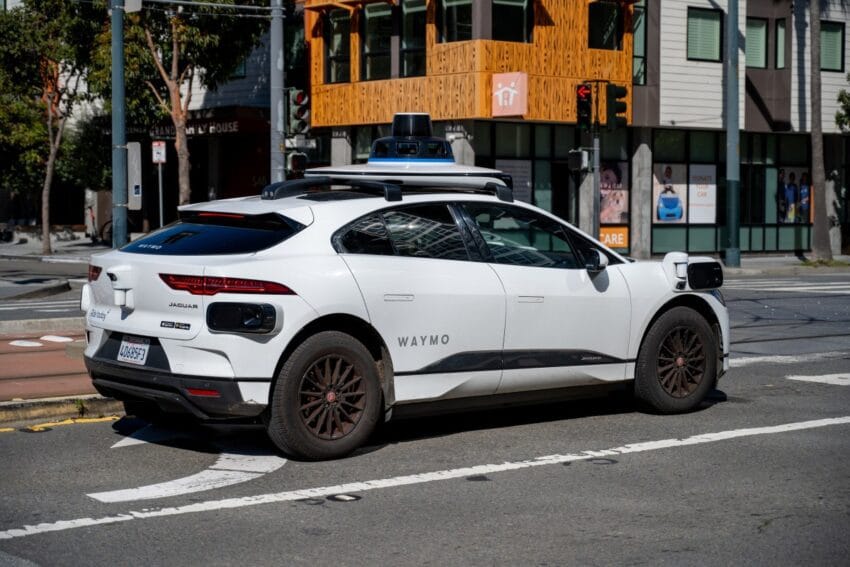
waymo approved to start testing autonomous vehicles Waymo has received approval to begin testing its autonomous vehicles at San Francisco International Airport (SFO), marking a significant milestone in the integration of self-driving technology into public transportation systems.
waymo approved to start testing autonomous vehicles
Background on Waymo’s Journey
Waymo, a subsidiary of Alphabet Inc., has been at the forefront of autonomous vehicle technology since its inception. Originally part of the Google X lab, Waymo was established in 2016 to develop self-driving technology that could be safely and efficiently integrated into everyday life. Over the years, the company has made substantial progress, including the launch of its fully autonomous ride-hailing service in Phoenix, Arizona, and various partnerships with automotive manufacturers.
However, the road to testing at SFO has not been without challenges. Waymo has spent years engaged in negotiations with airport authorities, navigating a complex regulatory landscape and addressing safety concerns. SFO, being the largest airport serving Silicon Valley, presents a unique opportunity for Waymo to showcase its technology in a high-traffic environment, but it also requires stringent compliance with safety and operational standards.
Details of the Approval
The approval from SFO allows Waymo to conduct testing of its autonomous vehicles within the airport’s premises. This includes designated routes that connect various terminals and parking areas, providing a seamless transportation experience for travelers. The testing phase is expected to begin in the coming months, with Waymo aiming to gather data on vehicle performance in a busy airport setting.
Safety Measures and Regulations
Safety is paramount in any autonomous vehicle operation, especially in an environment as dynamic as an airport. Waymo has committed to adhering to rigorous safety protocols during its testing phase. The company plans to implement a range of measures, including:
- Real-time Monitoring: Vehicles will be equipped with advanced sensors and cameras to monitor their surroundings and respond to potential hazards.
- Human Oversight: Trained safety operators will be present in the vehicles during the testing phase to intervene if necessary.
- Data Collection: Waymo will collect extensive data to analyze vehicle performance and safety metrics, which will inform future operational decisions.
These measures are designed not only to ensure the safety of passengers but also to build public trust in autonomous technology. Waymo’s commitment to safety aligns with broader industry standards and regulatory requirements, which are crucial for gaining approval from authorities like SFO.
Implications for Public Transportation
The introduction of autonomous vehicles at SFO could have far-reaching implications for public transportation systems. As airports increasingly look for innovative solutions to enhance passenger experience, Waymo’s testing could pave the way for broader adoption of autonomous technology in other transportation hubs.
Enhanced Passenger Experience
One of the primary goals of integrating autonomous vehicles into airport operations is to improve the overall passenger experience. With self-driving shuttles, travelers could benefit from:
- Reduced Wait Times: Autonomous vehicles can optimize routes and reduce the time passengers spend waiting for transportation.
- Increased Accessibility: Self-driving shuttles can provide transportation options for individuals with disabilities or those who may have difficulty navigating traditional airport transit systems.
- Seamless Connectivity: Autonomous vehicles can facilitate smoother connections between terminals, parking areas, and public transportation options.
By enhancing the passenger experience, Waymo aims to demonstrate the potential of autonomous vehicles to transform airport operations and set a precedent for other airports to follow.
Economic Impact
The testing of autonomous vehicles at SFO could also have significant economic implications. As the technology matures, it may lead to cost savings for airport operations, including:
- Reduced Labor Costs: With the deployment of autonomous shuttles, airports may be able to reduce their reliance on human drivers, leading to lower labor expenses.
- Operational Efficiency: Autonomous vehicles can optimize traffic flow and reduce congestion, potentially lowering operational costs associated with delays and inefficiencies.
- Attracting Investment: Successful testing and implementation of autonomous technology could attract further investment in airport infrastructure and technology, boosting the local economy.
These economic benefits could make a compelling case for other airports to explore similar partnerships with autonomous vehicle companies.
Stakeholder Reactions
The announcement of Waymo’s approval has elicited a range of reactions from various stakeholders, including airport officials, transportation advocates, and the general public.
Airport Officials
Officials at SFO have expressed optimism about the potential of autonomous vehicles to enhance airport operations. In a statement, an SFO spokesperson noted, “We are excited to partner with Waymo in exploring innovative transportation solutions that can improve the passenger experience and operational efficiency at our airport.” This sentiment reflects a growing recognition of the importance of technology in modernizing airport infrastructure.
Transportation Advocates
Transportation advocates have also weighed in on the approval, emphasizing the need for careful oversight and regulation. While many support the integration of autonomous vehicles, they stress the importance of ensuring that safety remains a top priority. “We must ensure that as we embrace new technologies, we do not compromise on safety or accessibility for all travelers,” said a representative from a local transportation advocacy group.
The General Public
Public opinion on autonomous vehicles remains mixed. Some individuals express excitement about the potential for innovation and convenience, while others harbor concerns about safety and the reliability of self-driving technology. Waymo’s testing at SFO will likely serve as a litmus test for public acceptance of autonomous vehicles in everyday scenarios.
Future Prospects
As Waymo prepares to begin testing at SFO, the future of autonomous vehicles in public transportation appears promising. Successful implementation at the airport could lead to expanded testing in other urban environments and transportation hubs, further integrating self-driving technology into the fabric of daily life.
Potential for Expansion
If the testing at SFO proves successful, Waymo may look to expand its operations to other airports and transit systems across the country. This could involve partnerships with additional airports, municipalities, and transportation agencies, creating a network of autonomous vehicles that enhance connectivity and accessibility.
Regulatory Landscape
The regulatory landscape for autonomous vehicles is evolving, and Waymo’s experience at SFO could influence future policies and regulations. As more cities and states consider the implications of self-driving technology, the data and insights gathered from this testing phase could inform best practices and safety standards for the industry.
Conclusion
Waymo’s approval to test autonomous vehicles at San Francisco International Airport represents a significant step forward in the integration of self-driving technology into public transportation systems. With a focus on safety, efficiency, and passenger experience, Waymo aims to demonstrate the potential benefits of autonomous vehicles in a high-traffic environment. As the testing phase unfolds, the implications for airports, public transportation, and the broader regulatory landscape will become clearer, potentially shaping the future of transportation in urban areas.
Source: Original report
Was this helpful?
Explore more: DevOps Services More Cloud & DevOps Tech News
Last Modified: September 16, 2025 at 10:40 pm
5 views