waiting to buy a game console will Consumers waiting to purchase a game console may find themselves facing higher prices, as recent trends indicate a significant increase in costs across major gaming platforms.
waiting to buy a game console will
Changing Perceptions of Console Purchases
Traditionally, the consensus among gamers was that purchasing a console at launch was unwise. Early adopters often faced a myriad of issues, including higher prices, limited game libraries, and hardware bugs. Furthermore, as manufacturers released updated models, the initial versions typically became less desirable. These revisions often included enhancements such as improved performance, additional features, and reduced prices, making it more appealing for consumers to wait.
However, the current generation of gaming consoles has shifted this narrative dramatically. Those who invested in consoles at launch are now being seen as savvy consumers, as prices for these devices continue to rise. The gaming industry is experiencing a unique set of challenges that have led to this unexpected price inflation, making it a critical time for both consumers and manufacturers.
Recent Price Increases
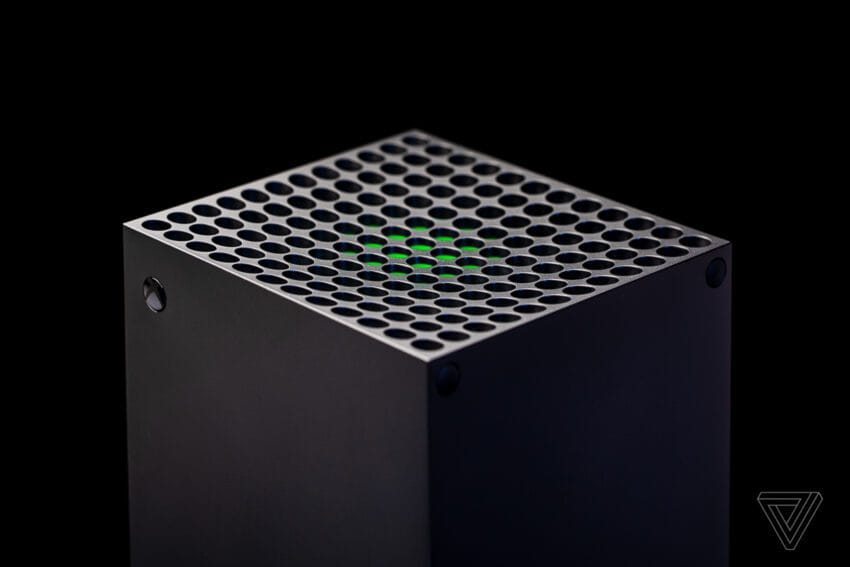
The most notable recent development comes from Microsoft, which has announced a price hike for its Xbox lineup. The more expensive model of the Xbox now costs significantly more than it did at launch. This decision follows a broader trend in the gaming industry, where both Sony and Nintendo have also faced pressures that have led to increased prices for their consoles.
Microsoft’s Price Adjustment
Microsoft’s decision to raise prices is particularly striking given the current economic climate. The company has cited rising production costs and supply chain issues as key factors influencing this decision. As the cost of materials continues to rise, manufacturers are left with little choice but to pass these expenses onto consumers.
Impact on Sony and Nintendo
While Microsoft has taken the lead in raising prices, Sony and Nintendo are not far behind. Sony’s PlayStation 5, which has already been difficult to find due to high demand, has also seen price adjustments in certain regions. Similarly, Nintendo’s Switch, which has enjoyed a long lifecycle, is facing pressures that could lead to future price increases as well.
Economic Factors Influencing Price Increases
The gaming industry is not immune to the economic challenges affecting many sectors. Inflation, supply chain disruptions, and increased manufacturing costs have all contributed to the rising prices of gaming consoles. These factors have created a perfect storm, forcing companies to make difficult decisions regarding pricing strategies.
Inflation and Material Costs
Inflation has been a significant concern globally, affecting everything from food prices to electronics. For gaming companies, the cost of essential materials such as semiconductors has skyrocketed. This increase in production costs has made it increasingly difficult for companies to maintain their pricing structures without sacrificing profit margins.
Supply Chain Disruptions
The COVID-19 pandemic has exacerbated supply chain issues, leading to delays and shortages in critical components. As manufacturers struggle to secure the necessary parts to produce consoles, they are often forced to increase prices to offset these challenges. This situation has led to a scarcity of consoles in the market, further driving up demand and prices.
Consumer Reactions and Market Implications
The reaction from consumers has been mixed. While some early adopters feel vindicated in their decision to purchase consoles at launch, others are frustrated by the rising costs. Many gamers are now reconsidering their purchasing strategies, weighing the pros and cons of waiting for potential price drops versus the risk of further price increases.
Frustration Among Gamers
For many consumers, the rising prices are a source of frustration. Gamers who have been waiting for the right moment to buy a console may find themselves facing a higher price tag than anticipated. This situation could lead to a decline in sales, as potential buyers may choose to hold off on their purchases until prices stabilize.
Long-Term Implications for the Industry
The long-term implications of these price increases could be significant for the gaming industry. As consoles become more expensive, the barrier to entry for new gamers may rise, potentially limiting the audience for future titles. This situation could also lead to a shift in consumer behavior, with more gamers opting for digital downloads or subscription services rather than purchasing physical consoles.
The Future of Gaming Consoles
As the gaming landscape continues to evolve, it remains unclear how these price increases will affect the future of consoles. Companies may need to rethink their pricing strategies and explore new revenue models to attract consumers in an increasingly competitive market.
Potential for Subscription Services
One potential avenue for gaming companies is the expansion of subscription services. With the rising costs of consoles, consumers may be more inclined to explore options that allow them to access games without the need for a significant upfront investment. Services like Xbox Game Pass and PlayStation Now have already gained traction, providing gamers with a library of titles for a monthly fee.
Innovation and Competition
As companies navigate these challenges, innovation will be crucial. Manufacturers may need to invest in research and development to create more cost-effective solutions that can help mitigate rising production costs. Additionally, competition among companies could lead to new features and enhancements that justify higher price points.
Conclusion
The landscape of gaming consoles is changing rapidly, with rising prices becoming a significant concern for consumers. As companies like Microsoft, Sony, and Nintendo grapple with economic pressures, the implications for the industry and its consumers are profound. Gamers must now navigate a complex market where waiting to buy a console may no longer be the best strategy. The future of gaming will depend on how manufacturers adapt to these challenges and how consumers respond to the evolving landscape.
Source: Original report
Was this helpful?
Explore more: More Gaming Tech News Blog
Last Modified: September 22, 2025 at 9:41 pm
8 views