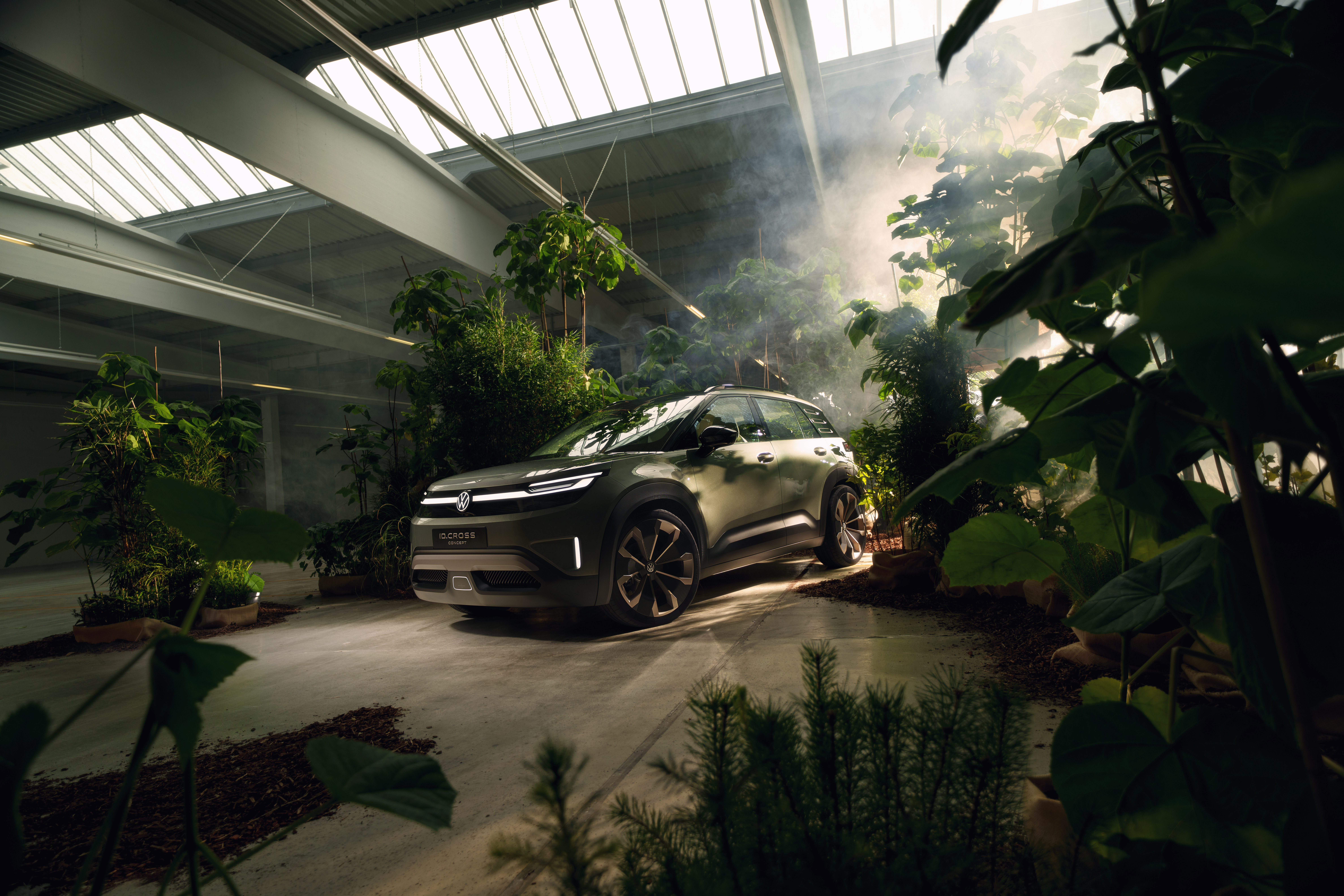
volkswagen rounds out new lineup of affordable Volkswagen is making strides to enhance electric vehicle (EV) adoption by introducing a new lineup of affordable models, including the ID. Cross concept.
volkswagen rounds out new lineup of affordable
The Need for Affordable EVs
As the automotive industry shifts towards sustainability, a consensus has emerged: to facilitate the transition from traditional gasoline vehicles to electric cars, affordability is key. While luxury EVs with high-end features and extensive battery capacities have dominated the market, they do not cater to the broader consumer base. To genuinely impact EV adoption rates, automakers must focus on entry-level options that appeal to a wider audience.
Volkswagen’s Response
Volkswagen (VW) is acutely aware of this need and is responding with a new lineup of small and mid-sized electric vehicles aimed at the lower end of the market. The company has already unveiled several concepts, including the ID.2all—recently renamed ID. Polo and ID. Polo GTI—and the ID.EVERY1. The latest addition to this lineup is the ID. Cross, which VW plans to reveal in full next year. This concept draws inspiration from the ID.Crozz, a model first introduced in 2017.
Design Language and Aesthetic Appeal
The ID. Cross introduces a new design language that VW describes as “friendlier” and more approachable than its existing EV lineup. This is particularly evident in the vehicle’s front fascia, characterized by narrow headlights and a gently curved lightbar that gives the impression of a smile. Such design choices aim to make the vehicle more appealing to potential buyers, especially those who may be hesitant about transitioning to electric vehicles.
Comparison with the T-Cross
Positioned as an electric counterpart to the popular VW T-Cross, the ID. Cross will be built on VW’s MEB Plus platform. This next-generation platform is an upgrade over the current MEB architecture that powers models like the ID.4 crossover SUV and the ID Buzz minivan. VW promises that the MEB Plus platform will feature improved batteries, engines, and software, addressing concerns that have been raised regarding the performance of current MEB vehicles.
Performance Specifications
The ID. Cross is equipped with a front-wheel drive motor that produces 155 kW of power, equivalent to approximately 208 horsepower. Its range is estimated at 420 km (about 260 miles) based on the more lenient WLTP cycle. Additionally, the vehicle can achieve a top speed of 175 km/h (108 mph). Notably, the ID. Cross is designed to be practical, with a ball coupling that allows it to tow up to 75 kg (165 lbs), sufficient for transporting two e-bikes.
Market Focus and Production Plans
Interestingly, the ID. Cross will be manufactured in Europe, and VW has not mentioned plans for the U.S. market. This lack of focus on the American consumer is not surprising, given the mixed success VW has experienced with its EV offerings in the region. However, it is disappointing for American consumers who are eager for fun, affordable electric vehicles.
Dimensions and Storage Capacity
The ID. Cross is designed to be compact, similar in size to the T-Cross, which is smaller than the already relatively compact ID.4 SUV. The vehicle measures 4,161 mm (164 inches) in length, 1,839 mm (72 inches) in width, and 1,588 mm (63 inches) in height, with a wheelbase of 2,601 mm (102 inches). It features 21-inch alloy wheels specifically designed for the ID. Cross.
Interior Features
Volkswagen has made significant improvements to the interior of the ID. Cross, focusing on user experience and practicality. The interior includes fabric-covered surfaces on the dashboard that match the materials used on the seats, creating a cohesive aesthetic. The steering wheel features physical buttons for controlling driver assist functions and other features, a notable shift from the touch-sensitive controls that received criticism in VW’s previous EV models.
Another practical feature is the ability to fold the front seats flat, creating a completely flat surface that can be utilized for activities like car camping. This design choice enhances the vehicle’s versatility, making it suitable for a variety of lifestyles.
Future Launch Plans
VW has announced that the production version of the ID. Cross will be officially revealed next summer, following the launch of the ID. Polo and ID. Polo GTI, which are based on the ID.2all concept. Additionally, the ID.EVERY1, which has yet to receive its production name, is slated for release in 2027. This strategic rollout of new models indicates VW’s commitment to expanding its electric vehicle offerings.
Market Competition and Strategic Positioning
Volkswagen is betting that its newly designed, “likeable,” and affordable EVs will help improve its market position amid fierce competition, particularly from Chinese manufacturers who are increasingly dominating the low-end segment. Despite owning a diverse portfolio that includes brands like Audi, Porsche, Lamborghini, Skoda, and Seat, VW has struggled to achieve the same level of EV success as its competitors, such as BMW and South Korean automakers Hyundai and Kia.
While VW’s European sales have shown promise, the overall performance of its EV lineup has been uneven. This inconsistency may explain why the company has chosen to focus its efforts on the European market for the time being, rather than making commitments to the U.S. or other regions.
Conclusion
Volkswagen’s introduction of the ID. Cross concept marks a significant step towards making electric vehicles more accessible to a broader audience. By focusing on affordability, practicality, and appealing design, VW aims to capture the interest of consumers who may have previously been deterred by the high costs associated with electric vehicles. As the automotive landscape continues to evolve, the success of models like the ID. Cross could play a crucial role in shaping the future of electric mobility.
Source: Original report
Was this helpful?
Explore more: More Hardware & Devices Tech News Blog
Last Modified: September 8, 2025 at 6:25 pm
6 views