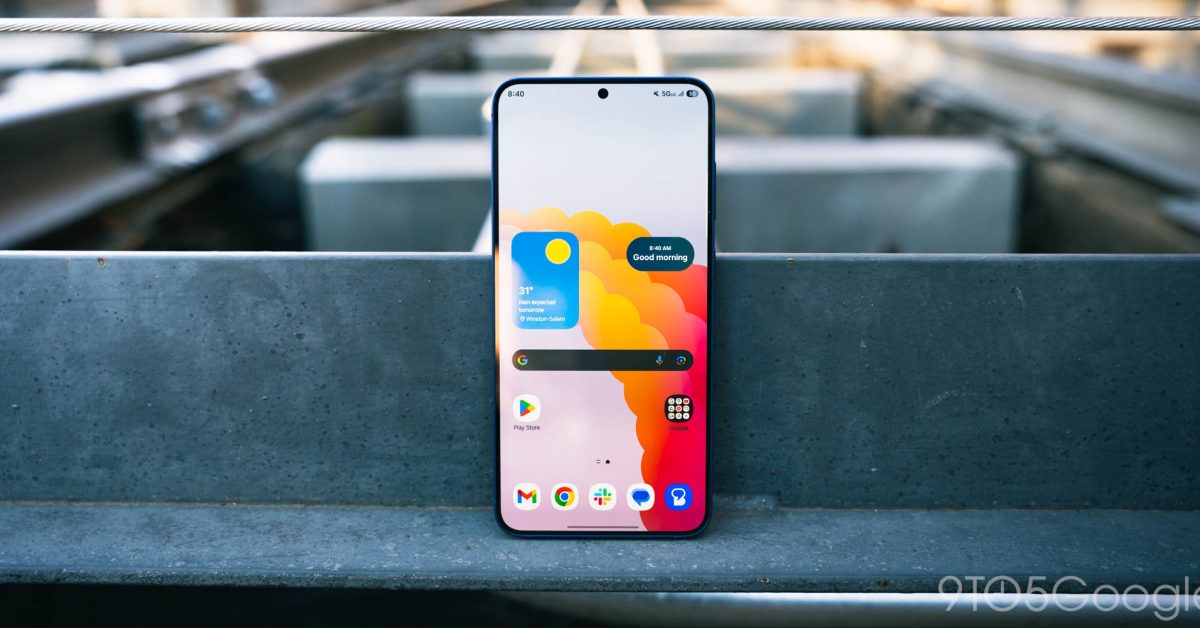
verizon no longer needs to unlock phones The Federal Communications Commission (FCC) has removed a longstanding requirement that mandated Verizon to unlock devices automatically after 60 days, enabling the carrier to keep phones locked throughout the duration of a user’s payment plan.
verizon no longer needs to unlock phones
Background on Device Locking Policies
Device locking is a common practice among mobile carriers, designed to ensure that customers remain within their network for the duration of their payment plans. When a customer purchases a smartphone through a carrier, they often do so under a financing agreement that allows them to pay for the device over time. In exchange for this financing, carriers typically lock the device to their network, preventing it from being used with other carriers until certain conditions are met.
Historically, the FCC implemented rules to protect consumers, including a mandate that required carriers to unlock devices after a specific period. This 60-day rule was established to provide customers with greater flexibility and freedom, allowing them to switch carriers if they chose to do so after a reasonable period. The intention was to promote competition among carriers and ensure that consumers had the option to take their business elsewhere if they were dissatisfied with their service.
The FCC’s Recent Decision
In a significant policy shift, the FCC has now lifted the 60-day unlocking requirement for Verizon. This decision allows the carrier to maintain a locked status on devices for the entire length of the payment plan, which can extend up to 36 months or longer, depending on the financing agreement. The FCC’s ruling has sparked a debate among consumer advocates, industry experts, and Verizon customers regarding the implications of this change.
Implications for Consumers
The removal of the 60-day unlocking requirement raises several concerns for consumers. One of the primary issues is the potential for reduced flexibility. Customers who purchase devices through Verizon will now be unable to switch to another carrier until they have completed their payment plan. This limitation could be particularly problematic for those who may experience dissatisfaction with Verizon’s service or who find better offers from competing carriers.
Moreover, the decision may disproportionately affect low-income consumers who rely on affordable options for mobile service. Many customers opt for financing plans to acquire the latest smartphones, and the inability to unlock their devices could hinder their ability to seek more affordable service options. This could lead to a situation where customers feel trapped within a single carrier, unable to take advantage of competitive pricing or better service offerings.
Potential Benefits for Verizon
On the other hand, the decision may provide certain advantages for Verizon. By keeping devices locked for the entirety of the payment plan, the carrier can ensure that customers remain tied to its network, potentially increasing customer retention rates. This could be particularly beneficial in a competitive market where customer loyalty is crucial for maintaining market share.
Additionally, the ability to lock devices for longer periods may allow Verizon to recoup its investment in subsidized devices more effectively. When customers finance their devices through the carrier, they are essentially entering into a contract that benefits both parties. By extending the lock period, Verizon can ensure that it receives the full value of the device before allowing customers the freedom to switch carriers.
Stakeholder Reactions
The FCC’s decision has elicited a range of reactions from various stakeholders, including consumer advocacy groups, industry analysts, and Verizon customers. Consumer advocates have expressed concern that the ruling undermines consumer rights and limits competition in the mobile market.
Consumer Advocacy Groups
Organizations such as the Electronic Frontier Foundation (EFF) and Public Knowledge have voiced their disapproval of the FCC’s decision. They argue that the removal of the unlocking requirement is detrimental to consumer choice and could lead to higher prices in the long run. These groups emphasize the importance of maintaining consumer protections that allow individuals to make informed choices about their mobile service providers.
Industry Analysts
Industry analysts have offered mixed assessments of the ruling. Some believe that Verizon’s ability to lock devices for longer periods could provide the carrier with a competitive edge, while others caution that it may alienate customers who value flexibility. Analysts suggest that Verizon will need to carefully navigate this new landscape to avoid backlash from its customer base.
Customer Sentiment
Many Verizon customers have taken to social media to express their opinions on the decision. Some have voiced their frustration, stating that the inability to unlock devices could lead to a lack of trust in the carrier. Others have pointed out that the change may force them to reconsider their options and potentially switch to competitors that offer more favorable unlocking policies.
Comparative Analysis with Other Carriers
Verizon is not the only carrier that employs device locking policies. Other major carriers, such as AT&T, T-Mobile, and Sprint, also have similar practices in place. However, the specifics of their unlocking policies can vary significantly. For example, T-Mobile has a more consumer-friendly approach, allowing customers to unlock their devices after they have paid off a certain percentage of their financing agreement.
This disparity in unlocking policies among carriers highlights the competitive landscape of the mobile industry. As consumers become increasingly aware of their options, carriers may need to adapt their policies to remain competitive. The FCC’s decision could prompt other carriers to reevaluate their unlocking practices, potentially leading to a broader industry shift.
Future Considerations
As the mobile landscape continues to evolve, the implications of the FCC’s decision will likely unfold over time. Consumers may begin to demand more transparency and flexibility from their carriers, especially as competition intensifies. The ability to unlock devices could become a key differentiator for carriers looking to attract new customers.
Furthermore, as technology advances and new devices are introduced, the conversation around device locking may take on new dimensions. With the rise of eSIM technology and the increasing prevalence of unlocked devices, consumers may find themselves with more options than ever before. This could lead to a shift in consumer expectations regarding device ownership and carrier relationships.
Conclusion
The FCC’s decision to lift the 60-day unlocking requirement for Verizon marks a significant change in the mobile industry landscape. While it may offer certain advantages for the carrier, it raises important questions about consumer rights, competition, and the future of mobile service. As stakeholders continue to react and adapt to this new reality, the implications of this ruling will likely resonate throughout the industry for years to come.
Source: Original report
Was this helpful?
Last Modified: January 14, 2026 at 5:52 am
7 views