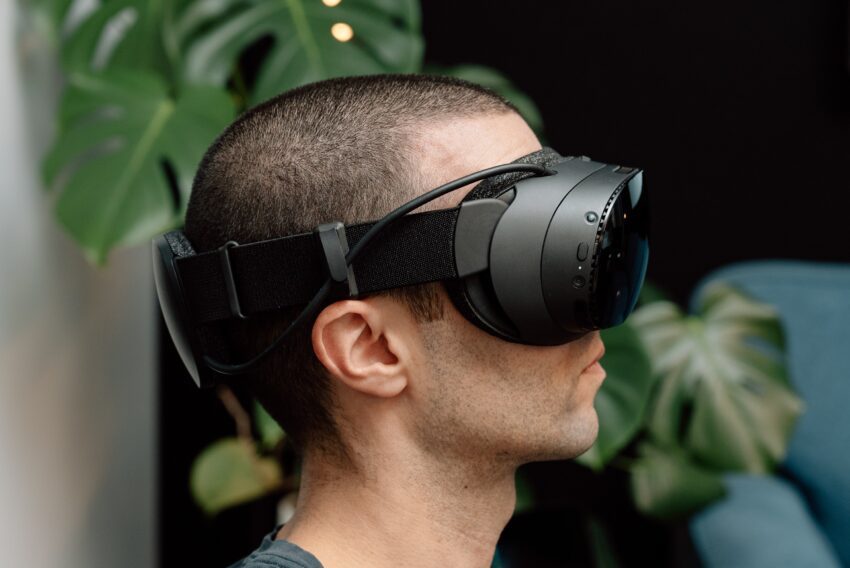
valve just imported 13 tons of vr Valve has made a significant move in the virtual reality market by importing a substantial shipment of VR headsets, marking a pivotal moment for the company and the gaming industry.
valve just imported 13 tons of vr
Details of the Shipment
On June 10th, the German container ship Posen arrived at the Port of Los Angeles after a two-week journey from Shanghai. This shipment is particularly noteworthy as it is believed to contain the first mass production units of the Steam Frame, Valve’s latest gaming headset. The significance of this event is underscored by the import records, which indicate that Valve’s distribution partner, Ceva, offloaded nearly 32 metric tons of “Virtual Reality Devices” on behalf of Valve. After accounting for the weight of the shipping containers—approximately 3,700 kilograms for five 40-foot containers—this translates to roughly 13 tons of actual VR headsets.
Context of the Import
This shipment is part of Valve’s broader strategy to re-enter the VR market with a product that aims to compete with existing headsets from companies like Meta and HTC. The Steam Frame is expected to offer advanced features and a more immersive gaming experience, which could attract both casual gamers and VR enthusiasts. The timing of this import is crucial, as the VR landscape is becoming increasingly competitive, with several companies vying for market share.
Implications for Valve and the VR Market
The arrival of these VR headsets could have several implications for Valve and the broader gaming industry. First, it signals Valve’s commitment to expanding its hardware offerings, particularly in the VR space. Historically, Valve has focused on software and digital distribution through its Steam platform, but this move indicates a shift towards hardware development.
Potential Market Impact
As Valve enters the VR market with the Steam Frame, it may disrupt the current landscape dominated by established players. The introduction of a new headset could lead to increased competition, prompting other companies to innovate and improve their offerings. This could result in better technology and lower prices for consumers, ultimately benefiting the gaming community.
Consumer Expectations
With the Steam Frame, consumers are likely to have high expectations regarding performance, comfort, and price. Valve has a reputation for quality and innovation, and the gaming community will be closely watching how the Steam Frame performs in real-world scenarios. If the headset meets or exceeds these expectations, it could solidify Valve’s position in the VR market.
Reactions from Stakeholders
The news of Valve’s significant import has garnered attention from various stakeholders, including industry analysts, gamers, and competitors. Analysts are speculating on how this move will affect Valve’s market position and whether it can capture a significant share of the VR market. Gamers are expressing excitement and curiosity about the features and capabilities of the Steam Frame, eager to see how it compares to existing headsets.
Industry Analysts’ Perspectives
Industry analysts have noted that Valve’s entry into the VR market could be a game-changer. The company has a strong brand and a loyal customer base, which could facilitate the adoption of the Steam Frame. Analysts are also considering the potential for Valve to leverage its Steam platform to promote the headset, creating a seamless ecosystem for users.
Community Reactions
In online forums and social media, gamers have expressed a mix of excitement and skepticism. Many are eager to learn more about the Steam Frame’s specifications, including its resolution, field of view, and tracking capabilities. Others are cautious, recalling previous hardware launches that did not meet expectations. The community’s response will likely shape the narrative surrounding the Steam Frame as more information becomes available.
Historical Context of Valve’s Hardware Development
Valve’s foray into hardware is not entirely new. The company previously attempted to enter the hardware market with the Steam Machine, a line of gaming consoles designed to run SteamOS. However, the Steam Machine did not achieve the level of success Valve had hoped for, leading to its eventual discontinuation. This history adds an additional layer of scrutiny to the Steam Frame’s launch.
Lessons from the Steam Machine
The Steam Machine experience taught Valve valuable lessons about consumer expectations and market dynamics. Unlike the Steam Machine, which faced challenges related to compatibility and consumer understanding, the Steam Frame is entering a more mature VR market. Valve appears to be more prepared this time, focusing on delivering a product that meets the needs of VR users.
Future Prospects for the Steam Frame
Looking ahead, the success of the Steam Frame will depend on several factors, including marketing strategy, pricing, and software support. Valve’s ability to create a robust library of VR games and experiences will be crucial in attracting users to the new headset.
Marketing and Promotion Strategies
Valve has a strong track record of marketing its products effectively through its Steam platform. The company can leverage its existing user base to promote the Steam Frame, potentially offering discounts or bundled deals with popular VR titles. Additionally, partnerships with game developers could enhance the headset’s appeal by ensuring a diverse range of content is available at launch.
Pricing Considerations
Pricing will also play a critical role in the Steam Frame’s success. If Valve can position the headset competitively while maintaining quality, it could attract a broader audience. However, if the price is too high, it may deter potential buyers, especially in a market where consumers have numerous options.
Conclusion
The import of 13 tons of VR headsets marks a significant milestone for Valve as it seeks to establish itself in the competitive VR landscape. With the Steam Frame, Valve has the opportunity to redefine its hardware strategy and capture the attention of gamers worldwide. As the gaming community eagerly anticipates the headset’s release, the implications of this shipment extend beyond Valve, potentially reshaping the future of virtual reality gaming.
Source: Original report
Was this helpful?
Explore more: More Gaming Tech News Blog
Last Modified: June 13, 2026 at 8:35 am
15 views