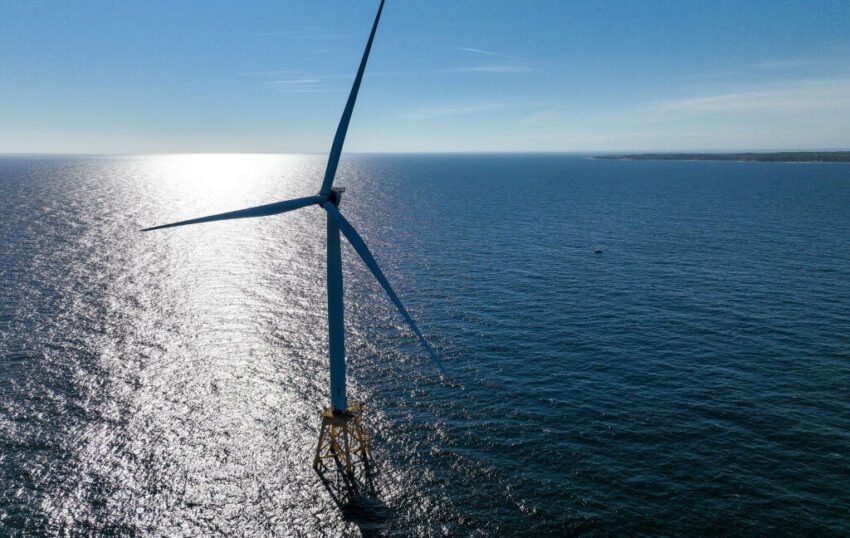
us to pay totalenergies 1 billion to The Trump administration has unveiled a controversial strategy to halt offshore wind development by compensating companies to relinquish their lease agreements.
us to pay totalenergies 1 billion to
Overview of the Agreement
On Monday, the Department of the Interior announced a significant financial deal with TotalEnergies, a French multinational energy company. Under this agreement, the U.S. government will pay TotalEnergies approximately $1 billion to abandon its offshore wind development projects that were initiated during the Biden administration. This move marks a pivotal shift in the administration’s approach to energy policy, particularly concerning renewable energy sources.
Details of the Financial Arrangement
The financial arrangement involves TotalEnergies committing to invest the $1 billion it receives from the U.S. government into fossil fuel projects based in the United States. This investment is expected to focus on oil and natural gas projects, aligning with the administration’s broader agenda to bolster domestic fossil fuel production. In exchange for this financial incentive, TotalEnergies has agreed to cease all further offshore wind development in the U.S.
Lease Areas Affected
The agreement specifically pertains to two lease areas that TotalEnergies had secured for offshore wind development. One of these areas was intended for a relatively small wind project located near the Carolinas, while the other, known as the Attentive Energy project, is a much larger site situated east of New Jersey. The Attentive Energy project was projected to generate up to 3 Gigawatts of power, a significant capacity that would have contributed to the energy needs of nearby states.
Context and Background
The announcement comes in the wake of the Trump administration’s ongoing efforts to impede the growth of offshore wind projects. Despite previous attempts to block these initiatives, the administration has faced challenges, particularly after construction had already commenced on various projects. This latest strategy reflects a shift towards a more aggressive approach, focusing on financial incentives as a means to achieve its energy policy goals.
Political Implications
This financial deal has sparked a range of reactions from various stakeholders, including environmental groups, energy analysts, and political figures. Critics argue that this move undermines the U.S. commitment to renewable energy and climate change mitigation. By incentivizing companies to abandon offshore wind projects, the administration is perceived as prioritizing fossil fuel interests over sustainable energy development.
Reactions from Environmental Groups
Environmental advocates have expressed strong disapproval of the agreement. They argue that the decision to pay TotalEnergies to walk away from offshore wind projects represents a significant setback for renewable energy initiatives in the U.S. Many environmentalists view offshore wind as a crucial component of the transition to cleaner energy sources, and they are concerned that this deal will hinder progress toward achieving climate goals.
Industry Perspectives
From an industry perspective, the agreement raises questions about the future of offshore wind development in the U.S. While some energy companies may welcome the financial incentive to pivot towards fossil fuels, others may view it as a signal of uncertainty in the renewable energy market. The offshore wind sector has been gaining momentum in recent years, with numerous projects in various stages of development. However, this latest move by the Trump administration could create hesitancy among potential investors and developers.
Potential Economic Impact
The economic ramifications of this deal could be significant. The $1 billion payout to TotalEnergies represents a substantial investment that could have been allocated to support the growth of renewable energy projects instead. Critics argue that this funding could have been better utilized to develop infrastructure for offshore wind, which has the potential to create jobs and stimulate economic growth in coastal regions.
Future of Offshore Wind in the U.S.
The future of offshore wind development in the U.S. remains uncertain in light of this agreement. While the Biden administration had previously set ambitious goals for expanding renewable energy sources, the Trump administration’s actions could undermine those efforts. The decision to pay companies to abandon offshore wind projects raises concerns about the long-term viability of the sector and its ability to compete with fossil fuels.
Comparative Analysis with Global Trends
Globally, many countries are investing heavily in offshore wind energy as part of their strategies to combat climate change and transition to cleaner energy sources. Nations such as the United Kingdom, Germany, and China have made significant strides in developing offshore wind farms, positioning themselves as leaders in the renewable energy sector. In contrast, the U.S. appears to be taking a step backward with this latest agreement, potentially jeopardizing its competitiveness in the global renewable energy market.
Lessons from International Practices
Internationally, successful offshore wind projects have often been supported by government policies that encourage investment in renewable energy. These policies typically include financial incentives, streamlined permitting processes, and commitments to long-term renewable energy targets. The U.S. could benefit from adopting similar strategies to foster a more favorable environment for offshore wind development.
Conclusion
The Trump administration’s decision to pay TotalEnergies $1 billion to abandon offshore wind projects marks a significant departure from the growing global trend toward renewable energy. This agreement raises critical questions about the future of offshore wind development in the U.S. and the potential implications for the country’s energy landscape. As the world increasingly recognizes the importance of transitioning to cleaner energy sources, the U.S. risks falling behind if it continues to prioritize fossil fuel interests over sustainable alternatives.
As stakeholders continue to react to this announcement, it remains to be seen how this financial deal will impact the broader energy landscape in the U.S. and whether it will deter future investments in offshore wind projects. The implications of this agreement extend beyond immediate financial considerations, potentially shaping the trajectory of U.S. energy policy for years to come.
Source: Original report
Was this helpful?
Last Modified: March 24, 2026 at 2:36 am
4 views